What Halal Symbols Mean
For Muslims around the world, ensuring that food and beverages are halal—permissible according to Islamic law—is essential. One of the most convenient ways to identify halal products is through halal.



For Muslims around the world, ensuring that food and beverages are halal—permissible according to Islamic law—is essential. One of the most convenient ways to identify halal products is through halal.

Halal eating is widely recognized in Islam for guiding dietary choices, ensuring foods are permissible (halal) and ethically sourced. But halal eating is more than a religious obligation—it is also.

In today’s packaged food market, ingredient lists can be long, complicated, and full of unfamiliar names. For health-conscious consumers and Muslims seeking halal foods, some ingredients may pose health risks,.

In today’s fast-paced world, industrial and processed foods have become a common part of many diets. While convenient, these foods often prioritize shelf life, appearance, and profitability over nutrition and.
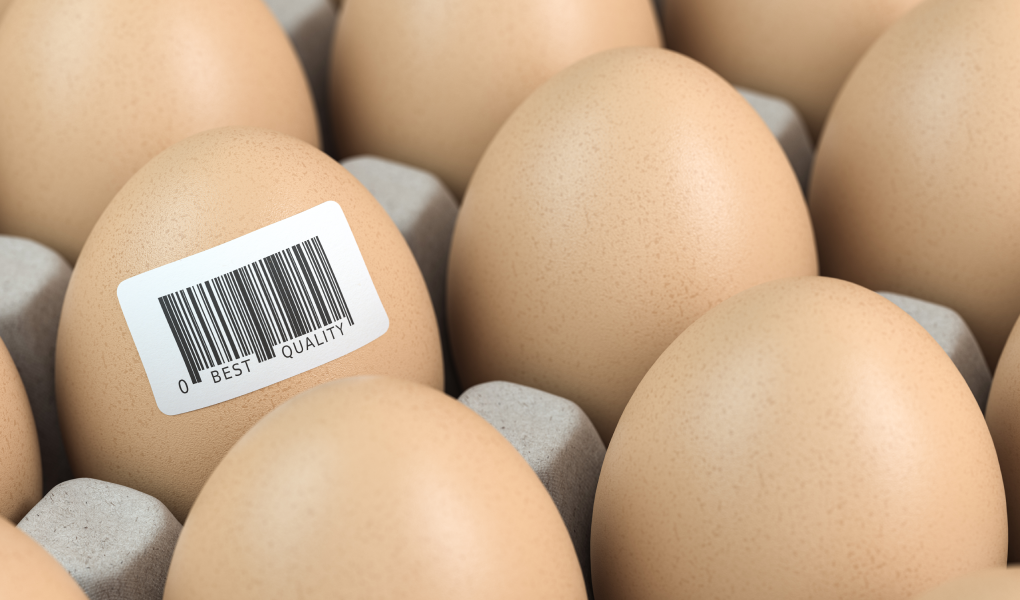
When shopping for packaged foods, you may notice a series of codes on ingredient lists, such as E100, E120, or E330. These codes, known as E-numbers, represent food additives approved.

In Islam, dietary guidance goes beyond simply avoiding haram foods. The concept of tayyib, meaning wholesome, pure, and beneficial, emphasizes that the foods we consume should nourish the body, mind,.

For Muslims around the world, consuming halal food is not just a preference—it is a fundamental part of faith. Halal means “permissible” under Islamic law, encompassing dietary rules, animal welfare,.

When shopping for packaged foods, you may often see labels that say “natural flavoring” or “natural flavors.” At first glance, these terms suggest a healthy, wholesome product. However, the reality.
In today’s global food market, many packaged foods boast convenience, taste, and affordability. But behind the attractive packaging, companies sometimes use techniques to hide ingredients, making it difficult for consumers.

When shopping for packaged foods, you may have noticed labels that read “May Contain Nuts,” “May Contain Soy,” or similar warnings. These statements are often called allergen advisory labels, and.