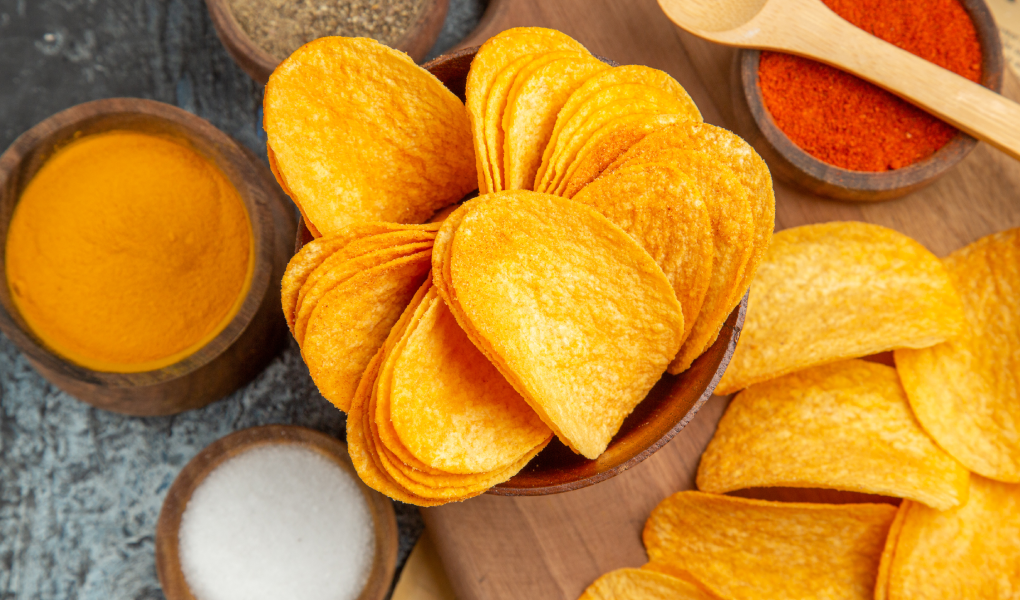


Eating is more than a physical necessity in Islam—it is a spiritual and ethical practice. The Qur’an and Hadith emphasize not just halal (permissible) foods but also tayyib (wholesome, pure, and beneficial) choices. Clean eating, as understood today in the nutritional world, aligns perfectly with these Islamic principles: it involves consuming natural, minimally processed, nutrient-dense foods that nourish the body, mind, and soul.
At Halal Edible, we explore how Muslims can adopt clean eating habits according to Islamic guidelines, combining health, faith, and ethical responsibility.
What Is Clean Eating?
Clean eating is a nutritional philosophy focused on:
- Whole Foods: Fruits, vegetables, whole grains, legumes, nuts, seeds, and lean proteins.
- Minimal Processing: Avoiding heavily refined, processed, or artificial foods.
- Nutrient Density: Choosing foods that provide essential vitamins, minerals, and antioxidants.
- Balanced Diet: Combining carbohydrates, proteins, and fats for optimal health.
- Mindful Consumption: Eating with awareness, gratitude, and moderation.
In Islam, clean eating is naturally integrated into the concept of tayyib, which prioritizes purity, wholesomeness, and beneficial qualities in food.
Principles of Clean Eating in Islam
1. Choose Halal and Tayyib Foods
Islam emphasizes that what we consume must be both:
- Halal: Free from haram ingredients like pork, alcohol, and forbidden additives.
- Tayyib: Wholesome, pure, ethically sourced, and nutritious.
Example:
- Opt for halal-certified meat from ethically raised animals.
- Use cold-pressed oils like extra virgin olive oil or coconut oil.
- Choose whole grains instead of refined flour products.
2. Emphasize Natural and Whole Foods
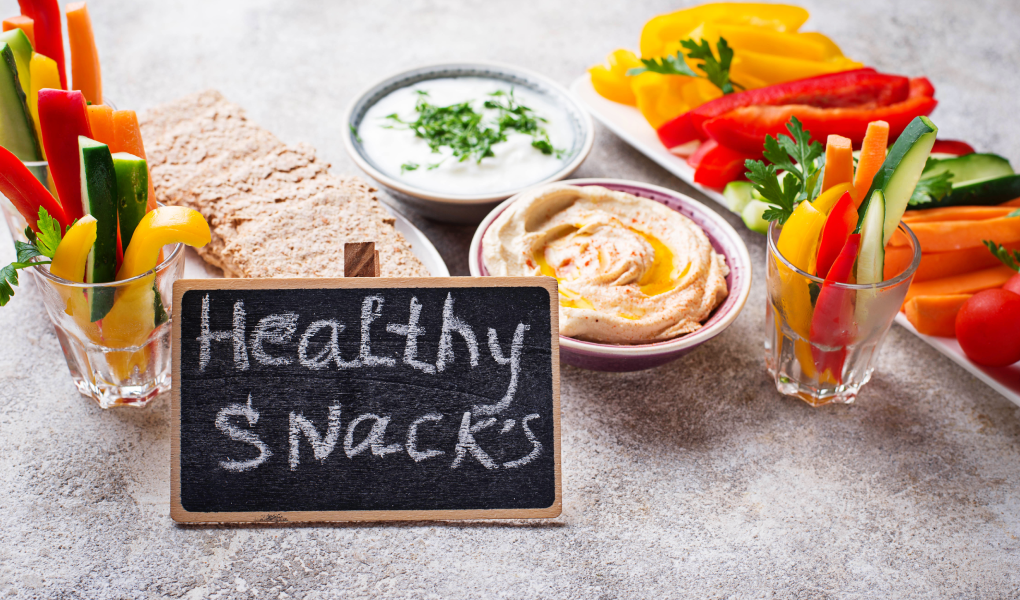
- Fruits and Vegetables: High in fiber, vitamins, minerals, and antioxidants.
- Whole Grains: Brown rice, barley, oats, and quinoa provide sustained energy.
- Legumes: Lentils, chickpeas, and beans supply plant-based protein and fiber.
- Nuts and Seeds: Almonds, walnuts, flaxseeds, and chia seeds are rich in healthy fats.
Islamic Guidance: The Prophet Muhammad (peace be upon him) recommended simple, natural foods such as dates, honey, olives, and barley—foods that are naturally clean and nutritious.
3. Avoid Processed and Industrial Foods
- Industrial foods often contain additives, preservatives, artificial flavors, and colors.
- Many processed products have hidden haram ingredients like gelatin, rennet, or alcohol-based flavorings.
- Refined sugars, hydrogenated oils, and trans fats are common in packaged foods.
Islamic and Health Implication: Avoiding processed foods aligns with tayyib principles and protects the body from harmful substances.
4. Practice Moderation and Mindfulness
Islam teaches moderation in all aspects of life, including diet:
- Moderate Portions: Avoid overeating, even when consuming halal foods.
- Mindful Eating: Eat slowly, enjoy the flavors, and focus on nutrition rather than just taste.
- Gratitude: Acknowledge the blessings of Allah in providing wholesome food.
Hadith: “The son of Adam does not fill any vessel worse than his stomach. It is sufficient for the son of Adam to eat a few mouthfuls to keep him going.” (Sahih al-Bukhari)
5. Prioritize Hydration and Natural Drinks
- Drink plenty of clean water throughout the day.
- Herbal teas and natural fruit infusions support digestion and hydration.
- Avoid sugary drinks, soft drinks, and alcohol-based beverages.
Benefit: Proper hydration enhances digestion, detoxification, and overall health.
6. Include Sunnah Foods for Wholesome Nutrition
Sunnah foods recommended by the Prophet (peace be upon him) are examples of clean eating:
- Dates: Provide natural sugars, fiber, and minerals.
- Olives and Olive Oil: Heart-healthy fats and antioxidants.
- Honey: Natural sweetener with antibacterial properties.
- Barley: Fiber-rich grain for digestion and sustained energy.
- Black Seed (Nigella sativa): Supports immunity, digestion, and overall wellness.
Incorporating these foods aligns nutrition with faith and prophetic guidance.
7. Cook at Home Using Clean Ingredients
- Home cooking allows control over ingredients, reducing exposure to hidden additives.
- Use halal-certified meats, whole grains, and fresh produce.
- Opt for healthy cooking oils like extra virgin olive oil, coconut oil, or avocado oil.
Tip: Simple, home-cooked meals embody the principles of clean, tayyib eating.
Health Benefits of Clean Eating in Islam
- Heart Health: Minimally processed foods and healthy fats reduce cholesterol and cardiovascular risk.
- Digestive Wellness: High fiber from whole grains, legumes, and fruits supports gut health.
- Weight Management: Balanced, nutrient-dense meals prevent obesity and related diseases.
- Diabetes Prevention: Limiting refined sugars and processed foods helps stabilize blood sugar.
- Cognitive Function: Vitamins, minerals, and antioxidants support brain health and mental clarity.
- Immunity Boost: Nutrient-rich foods strengthen the immune system against infections.
Ethical and Spiritual Dimensions
Clean eating in Islam is also about ethical consumption:
- Humane Animal Treatment: Halal-certified meat ensures animals are treated ethically.
- Sustainable Farming: Choosing organic and locally sourced foods protects the environment.
- Spiritual Alignment: Gratitude, moderation, and mindfulness transform eating into an act of worship.
Tayyib living integrates health, ethics, and spirituality, making food consumption a holistic experience.
Practical Steps for Muslims to Practice Clean Eating
- Select Halal and Tayyib Foods: Fresh, unprocessed, and ethically sourced ingredients.
- Limit Processed Foods: Avoid packaged snacks, sugary drinks, and refined oils.
- Include Sunnah Foods: Dates, honey, olives, barley, and black seed.
- Cook at Home: Maintain control over ingredients and halal compliance.
- Use Healthy Oils: Extra virgin olive oil, coconut oil, and avocado oil for cooking.
- Drink Water and Herbal Teas: Stay hydrated and avoid artificial beverages.
- Practice Portion Control: Eat mindfully and avoid overeating.
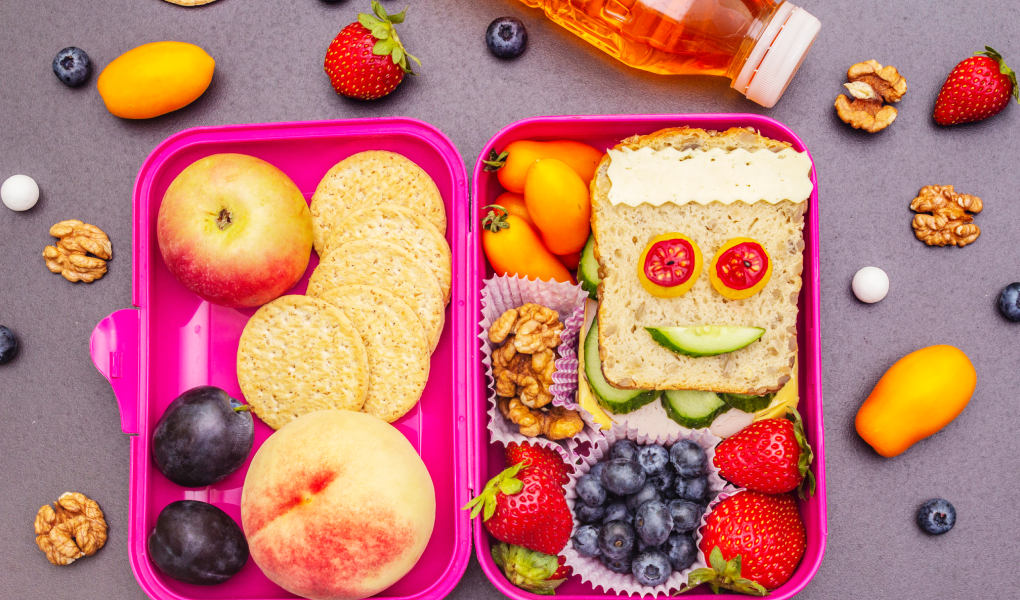
- Combine Food Variety: Include fruits, vegetables, grains, proteins, and healthy fats in every meal.
Conclusion
Clean eating according to Islamic principles is about more than avoiding haram foods—it is about choosing foods that are:
- Wholesome and nutrient-dense
- Minimally processed and natural
- Ethically sourced and tayyib
- Aligned with spiritual mindfulness and moderation
At Halal Edible, we encourage Muslims to embrace tayyib living through clean, halal foods, incorporating Sunnah foods, home-cooked meals, and mindful consumption. By following these principles, eating becomes an act of health, faith, and ethical responsibility, nourishing the body, mind, and soul.
Eating clean, following Islamic guidance, and honoring tayyib principles is not just a diet—it is a lifestyle that promotes longevity, wellness, and spiritual fulfillment.