What Halal Symbols Mean
For Muslims around the world, ensuring that food and beverages are halal—permissible according to Islamic law—is essential. One of the most convenient ways to identify halal products is through halal.
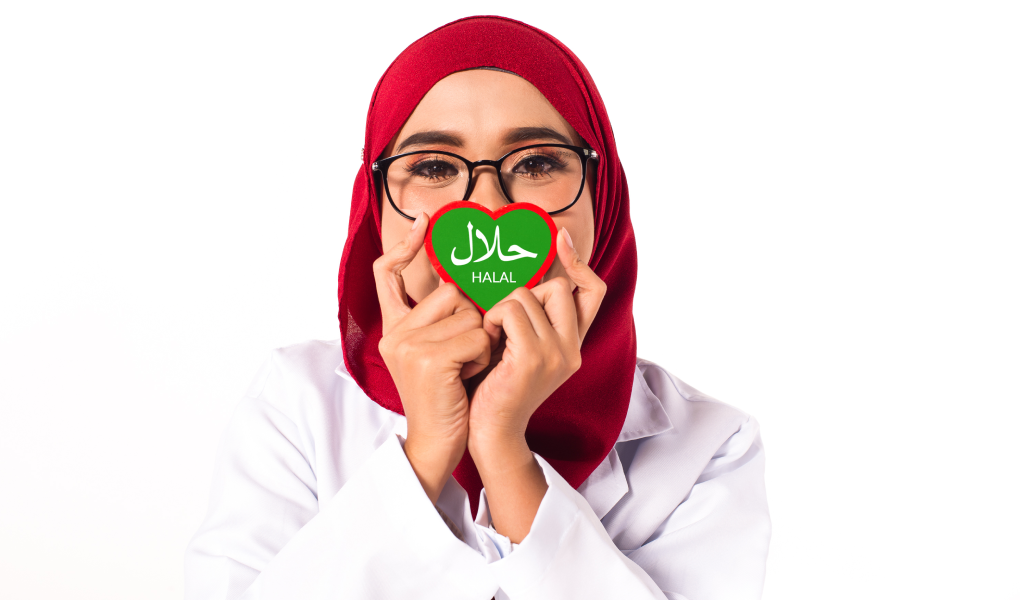
For Muslims around the world, ensuring that food and beverages are halal—permissible according to Islamic law—is essential. One of the most convenient ways to identify halal products is through halal.
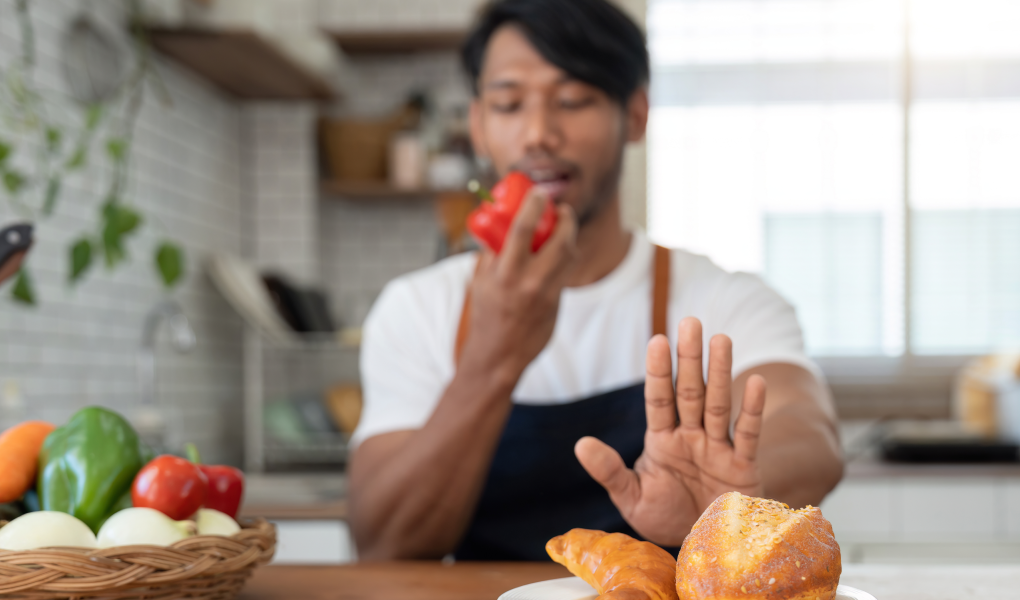
In today’s packaged food market, ingredient lists can be long, complicated, and full of unfamiliar names. For health-conscious consumers and Muslims seeking halal foods, some ingredients may pose health risks,.
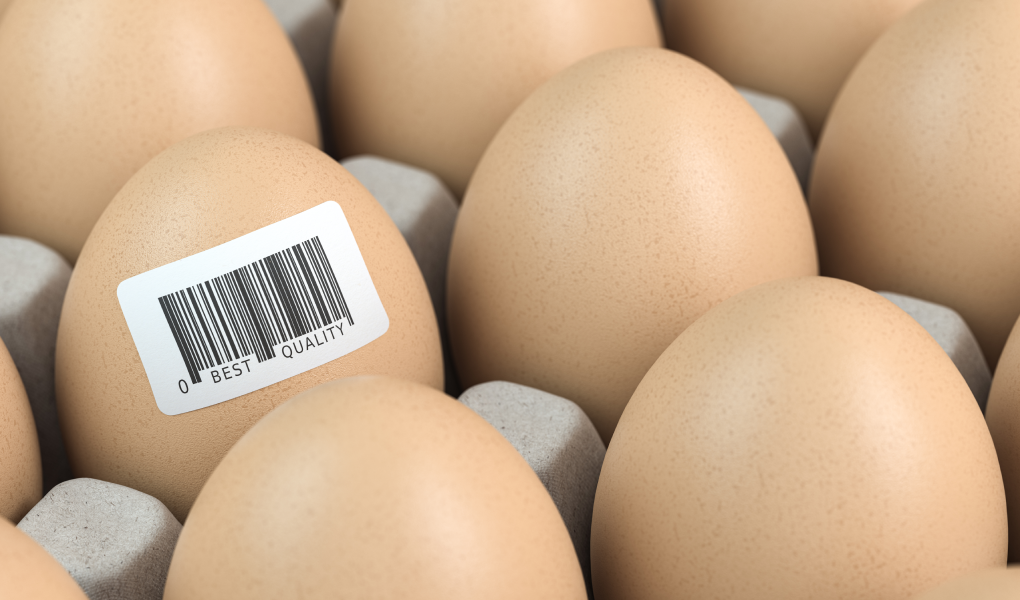
When shopping for packaged foods, you may notice a series of codes on ingredient lists, such as E100, E120, or E330. These codes, known as E-numbers, represent food additives approved.
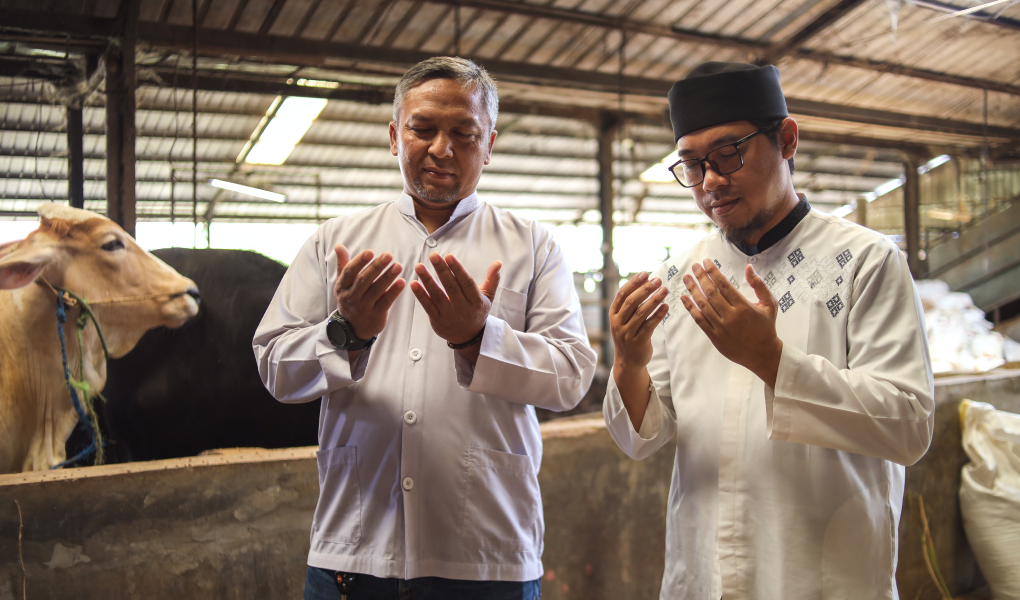
For Muslims around the world, consuming halal food is not just a preference—it is a fundamental part of faith. Halal means “permissible” under Islamic law, encompassing dietary rules, animal welfare,.
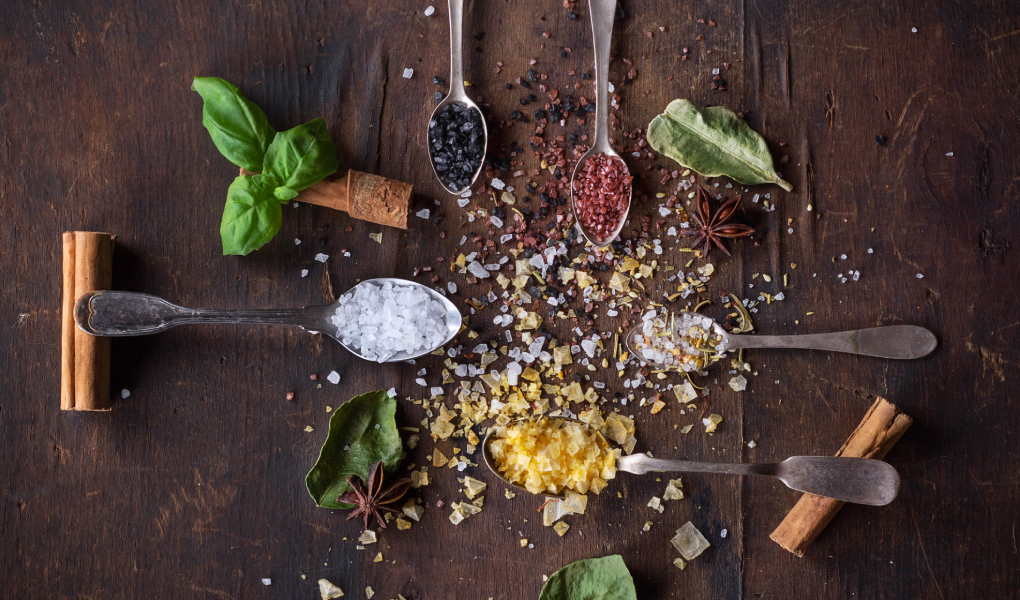
When shopping for packaged foods, you may often see labels that say “natural flavoring” or “natural flavors.” At first glance, these terms suggest a healthy, wholesome product. However, the reality.
In today’s global food market, many packaged foods boast convenience, taste, and affordability. But behind the attractive packaging, companies sometimes use techniques to hide ingredients, making it difficult for consumers.
When shopping for packaged foods, you may have noticed labels that read “May Contain Nuts,” “May Contain Soy,” or similar warnings. These statements are often called allergen advisory labels, and.
In today’s global food market, labels are everywhere. From “organic” to “halal,” these labels guide consumers toward healthier, ethical, and permissible choices. But what do these labels really mean, and.
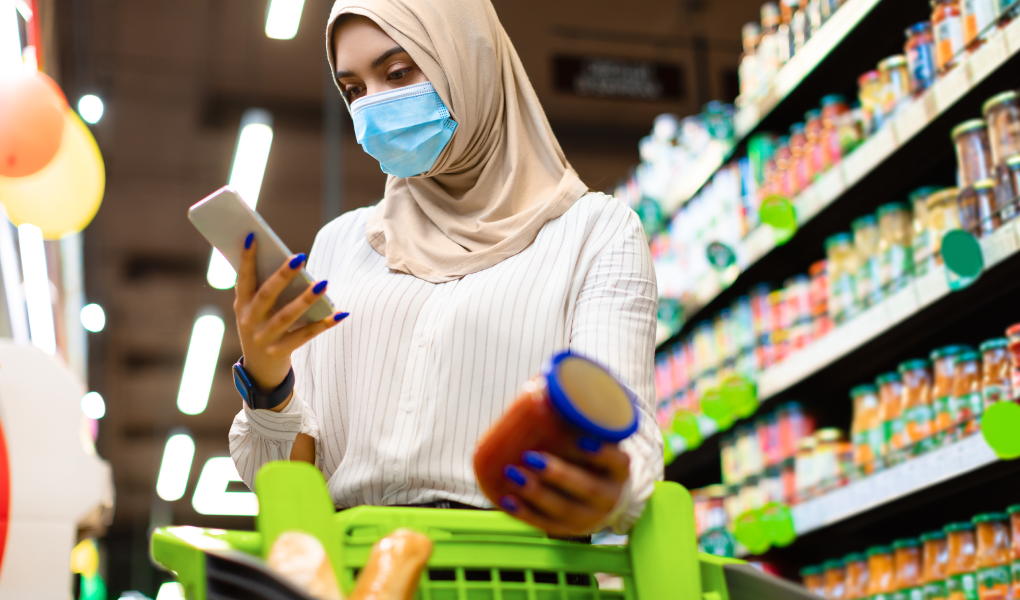
Halal food is a critical part of daily life for Muslims around the world. It is not just about following dietary laws; it is also about consuming food that is.
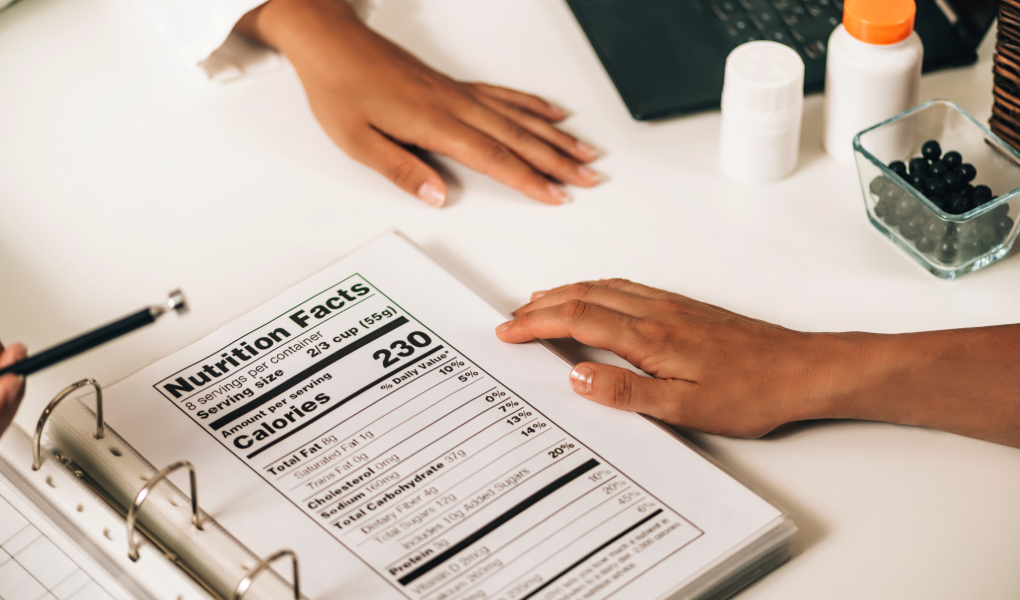
For Muslims seeking to maintain a halal diet, reading food labels is an essential skill. While halal-certified products make it easier to identify permissible foods, many items in stores are.