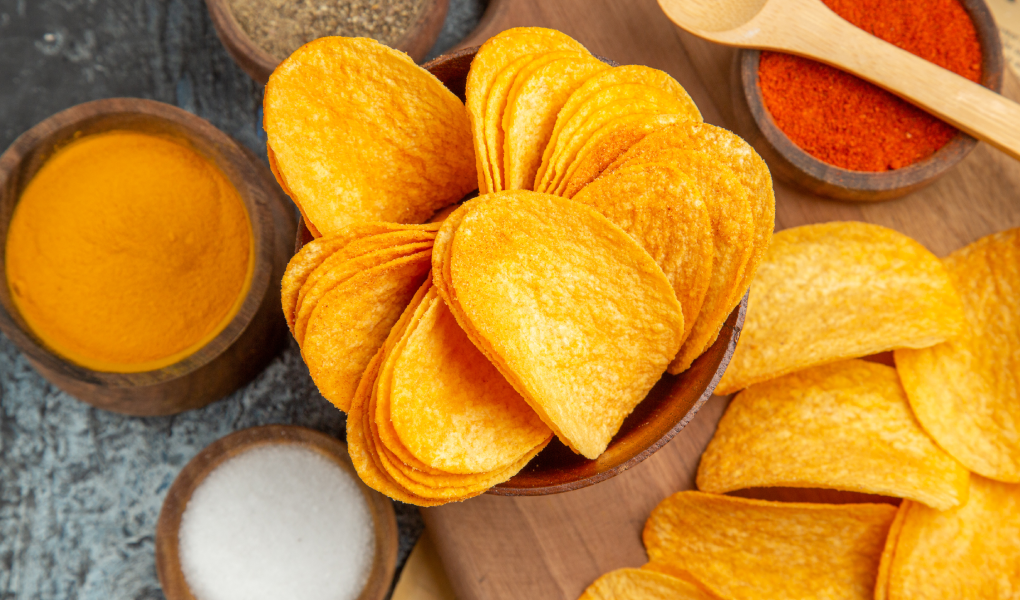


When shopping for packaged foods, you may notice a series of codes on ingredient lists, such as E100, E120, or E330. These codes, known as E-numbers, represent food additives approved for use in the European Union and many other countries. While E-numbers are intended to maintain food safety and quality, they can be confusing—especially for Muslims seeking halal foods, people with allergies, or anyone conscious about additives.
At Halal Edible, we explain what E-numbers mean, why they are used, and how to interpret them to make informed, safe, and halal-compliant choices.
What Are E-Numbers?
E-numbers are standardized codes assigned to food additives, including colorings, preservatives, flavorings, antioxidants, and stabilizers. The “E” stands for Europe, where the numbering system was first established to simplify labeling and ensure uniformity across EU countries.
Each E-number corresponds to a specific additive:
- E100–E199: Colors
- E200–E299: Preservatives
- E300–E399: Antioxidants and acidity regulators
- E400–E499: Thickeners, stabilizers, and gelling agents
- E500–E599: Acidity regulators and anti-caking agents
- E600–E699: Flavor enhancers
- E900–E999: Miscellaneous additives, including sweeteners and glazing agents
E-numbers provide a universal shorthand for food additives, allowing manufacturers to list ingredients without using long chemical names.
Why Companies Use E-Numbers
E-numbers serve several purposes in the food industry:
- Preserve Shelf Life: Preservatives like E202 (potassium sorbate) or E211 (sodium benzoate) prevent spoilage and extend product longevity.
- Enhance Appearance: Colorings such as E160a (beta-carotene) or E120 (cochineal/carmine) improve visual appeal.
- Improve Taste: Flavor enhancers like E621 (monosodium glutamate) or sweeteners such as E950 (acesulfame K) enhance taste profiles.
- Stabilize Texture: Thickeners, gelling agents, and emulsifiers like E407 (carrageenan) maintain consistency in processed foods.
While E-numbers are approved for use by food safety authorities, their source and method of production may affect halal compliance, health considerations, and dietary restrictions.
Halal Considerations of E-Numbers
Not all E-numbers are automatically halal. Some may be derived from animal sources, alcohol, or haram substances, which raises concerns for Muslims.
Common E-Numbers to Watch
- E120 – Carmine / Cochineal: A red coloring derived from insects, not halal.
- E441 – Gelatin: Can come from pork or non-halal beef; halal-certified gelatin is available.
- E322 – Lecithin: May be sourced from eggs or soy; animal-derived lecithin may not be halal.
- E904 – Shellac: Derived from insects; not halal unless certified.
- E542 – Edible Bone Phosphate: Sourced from animal bones; not halal unless certified.
Many plant-based or synthetic E-numbers, like E100 (curcumin) or E300 (ascorbic acid), are generally considered halal. However, verification is necessary for processed foods where multiple additives are combined.
Health Implications of E-Numbers
While most E-numbers are approved and considered safe in regulated quantities, some may have health implications if consumed in excess:
- Allergic Reactions: Certain colorings, preservatives, or flavor enhancers can trigger sensitivities, especially in children.
- Digestive Concerns: Additives like E407 (carrageenan) may cause digestive issues in sensitive individuals.
- Behavioral Effects: Some artificial colorings, like E102 (tartrazine), have been linked to hyperactivity in children.
- Synthetic Sweeteners: E950 (acesulfame K) and E951 (aspartame) are widely used but may concern some health-conscious consumers.
Understanding the source and purpose of E-numbers allows consumers to make safer dietary choices.
How to Decode E-Numbers
- Know Common Additives: Familiarize yourself with common E-numbers, especially those affecting halal compliance or health.
- Check the Source: Determine if the additive is plant-based, synthetic, or animal-derived.
- Verify Certification: Halal-certified products ensure that E-numbers, if derived from animals, are sourced from halal-compliant animals.
- Consult Manufacturer: When in doubt, contact the food brand to confirm the origin of E-number additives.
- Use Apps and Databases: Many apps list E-numbers and indicate their halal, vegan, or allergen status.
Examples of Foods Containing E-Numbers
- Soft drinks: Colors (E150d, caramel coloring) and preservatives (E211)
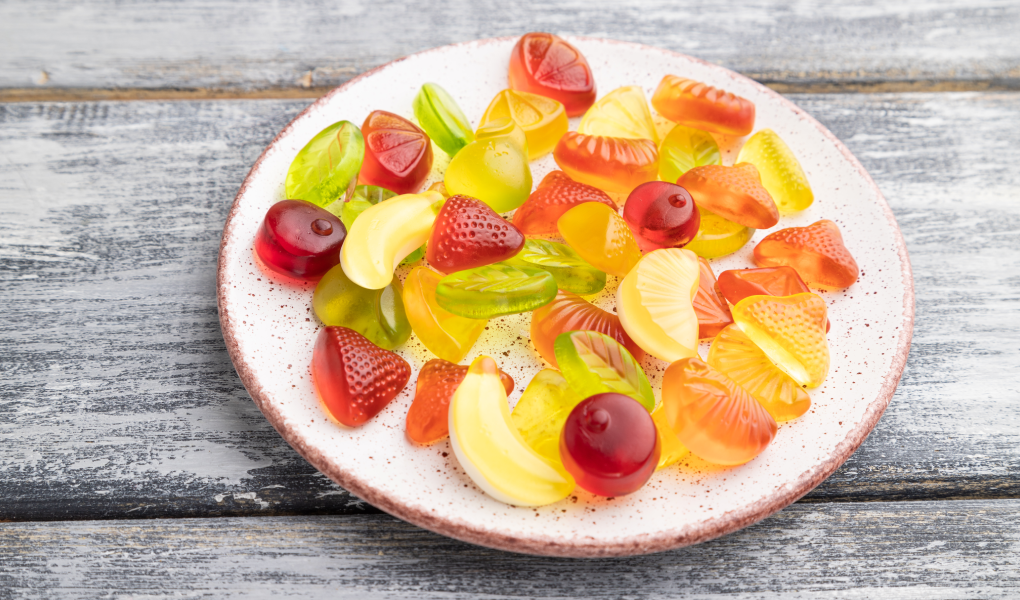
- Candies and chocolates: Colors (E120, E160a) and stabilizers (E471, mono- and diglycerides)
- Bakery items: Preservatives (E202), emulsifiers (E471), and acidity regulators (E330)
- Packaged sauces and dressings: Thickeners (E407, E415) and flavor enhancers (E621)
By checking E-numbers and their sources, consumers can avoid haram ingredients and make healthier choices.
Tips for Halal and Health-Conscious Consumers
- Prioritize Halal-Certified Products: These ensure all E-number additives comply with halal standards.
- Read Labels Carefully: Avoid products with ambiguous additive sources or unclear labeling.
- Educate Yourself on E-Numbers: Knowing which additives are commonly animal-derived or haram helps with decision-making.
- Prefer Whole Foods: Fresh fruits, vegetables, and minimally processed items naturally avoid E-number additives.
- Use Trusted Brands: Brands with transparent ingredient sourcing and halal certification reduce risks.
Conclusion
E-numbers simplify labeling, improve product quality, and extend shelf life. However, understanding their meaning, source, and halal compliance is essential for Muslims and health-conscious consumers. Not all E-numbers are safe or permissible, particularly those derived from animals or alcohol-based processes.
At Halal Edible, we encourage consumers to:
- Learn common E-numbers and their sources.
- Verify halal certification on processed foods.
- Make informed choices by prioritizing transparency and trusted brands.
By decoding E-numbers, you can enjoy processed foods safely, maintain halal compliance, and protect your health—without sacrificing taste or convenience.