Clean Eating According to Islamic Principles
Eating is more than a physical necessity in Islam—it is a spiritual and ethical practice. The Qur’an and Hadith emphasize not just halal (permissible) foods but also tayyib (wholesome, pure,.



Eating is more than a physical necessity in Islam—it is a spiritual and ethical practice. The Qur’an and Hadith emphasize not just halal (permissible) foods but also tayyib (wholesome, pure,.

In Islam, the concept of tayyib emphasizes consuming foods that are wholesome, pure, and beneficial for both body and soul. One of the most practical ways to embrace tayyib living.

Halal eating is widely recognized in Islam for guiding dietary choices, ensuring foods are permissible (halal) and ethically sourced. But halal eating is more than a religious obligation—it is also.

In today’s fast-paced world, industrial and processed foods have become a common part of many diets. While convenient, these foods often prioritize shelf life, appearance, and profitability over nutrition and.

In Islam, dietary guidance goes beyond simply avoiding haram foods. The concept of tayyib, meaning wholesome, pure, and beneficial, emphasizes that the foods we consume should nourish the body, mind,.
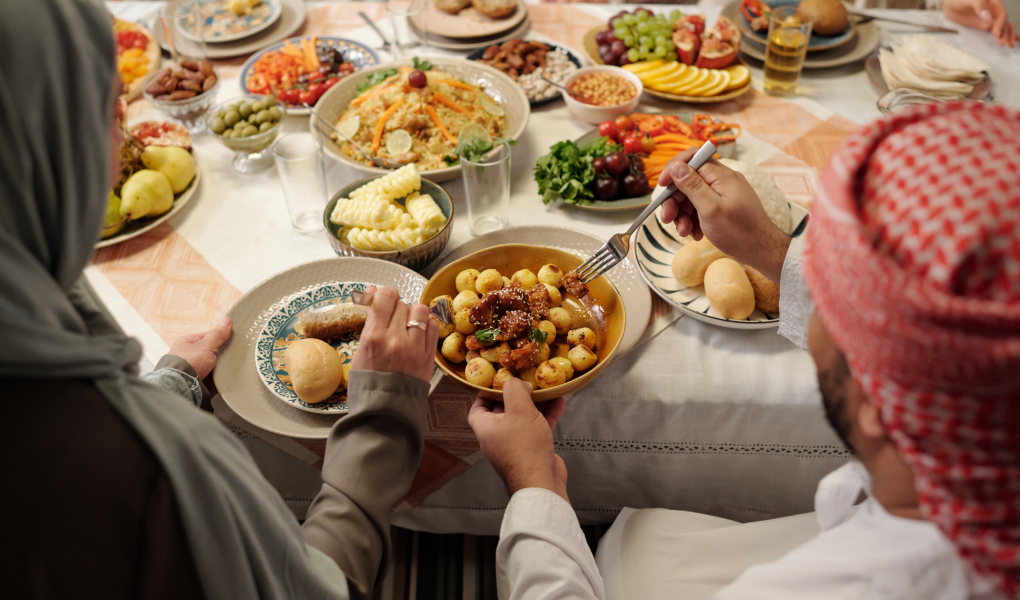
In Islam, food is not just about nourishment; it also carries moral, spiritual, and ethical significance. While most people are familiar with the concept of halal—foods that are permissible according.

For many Muslims, ensuring that food is halal—permissible according to Islamic law—is a primary concern when buying groceries, eating out, or choosing packaged products. Halal certification or labeling provides assurance.

In today’s food market, terms like halal and organic are often highlighted on packaging, advertisements, and menus. While both indicate certain standards in food production, they serve different purposes and.
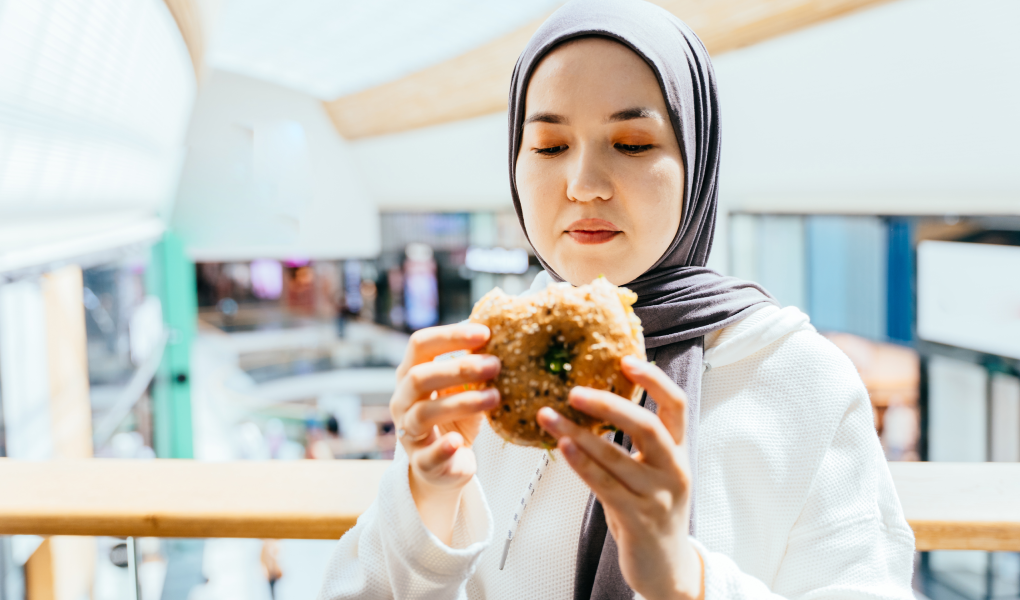
Islamic dietary laws are not just about what is permissible (halal) or forbidden (haram); they also emphasize ethical consumption, sustainability, and mindfulness in how we source, prepare, and consume food..
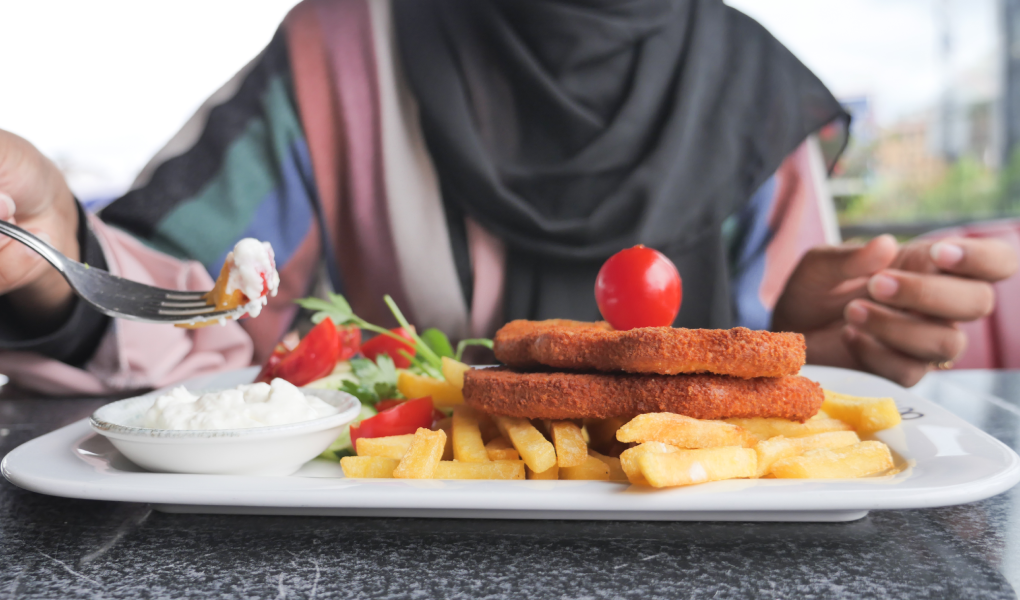
In today’s fast-paced world, processed foods are everywhere—from packaged snacks to ready-to-eat meals and sugary beverages. While convenient, many of these foods are nutritionally poor, heavily processed, and sometimes include.