

Halal eating is widely recognized in Islam for guiding dietary choices, ensuring foods are permissible (halal) and ethically sourced. But halal eating is more than a religious obligation—it is also deeply connected to health, nutrition, and overall well-being. Choosing halal foods, when combined with the principle of tayyib (wholesome and pure), can significantly enhance physical health, mental clarity, and spiritual alignment.
At Halal Edible, we explore the critical connection between halal eating and health, offering insights into how Muslims can adopt diets that benefit both body and soul.
Understanding Halal and Tayyib
In Islam, the terms halal and tayyib define the quality and permissibility of food:
- Halal: Refers to foods and beverages that are permissible under Islamic law. This includes avoiding prohibited items like pork, alcohol, and non-halal animal products.
- Tayyib: Refers to foods that are wholesome, clean, natural, and beneficial. It emphasizes nutritional quality, ethical sourcing, and health-promoting characteristics.
Qur’anic Perspective:
“O you who believe! Eat of the good things that We have provided for you.” – (Qur’an 2:172)
This verse encourages believers to choose foods that are not only halal but also good, wholesome, and nourishing.
How Halal Eating Supports Physical Health
1. Safe and Clean Proteins
Halal meat comes from animals slaughtered according to Islamic guidelines, ensuring:
- Hygienic handling and blood drainage, reducing harmful bacteria.
- Animals are healthy and well-fed, lowering the risk of disease.
- Avoidance of haram ingredients like non-halal rennet or gelatin in processed meats.
Health Benefits: Halal-certified proteins provide high-quality nutrition, support muscle growth, and maintain energy levels.
2. Emphasis on Whole and Natural Foods
Halal eating encourages natural, minimally processed foods:
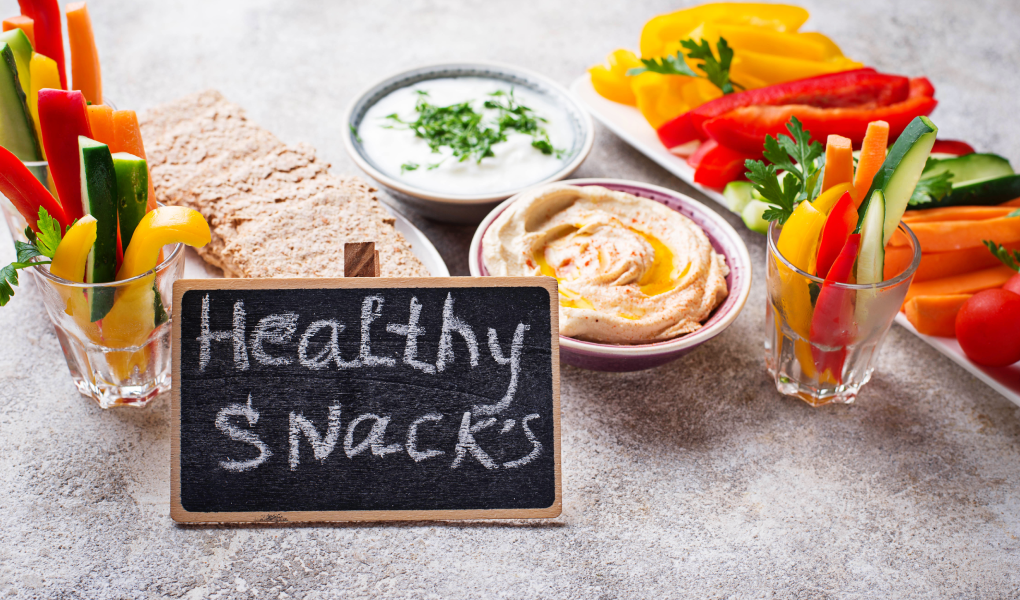
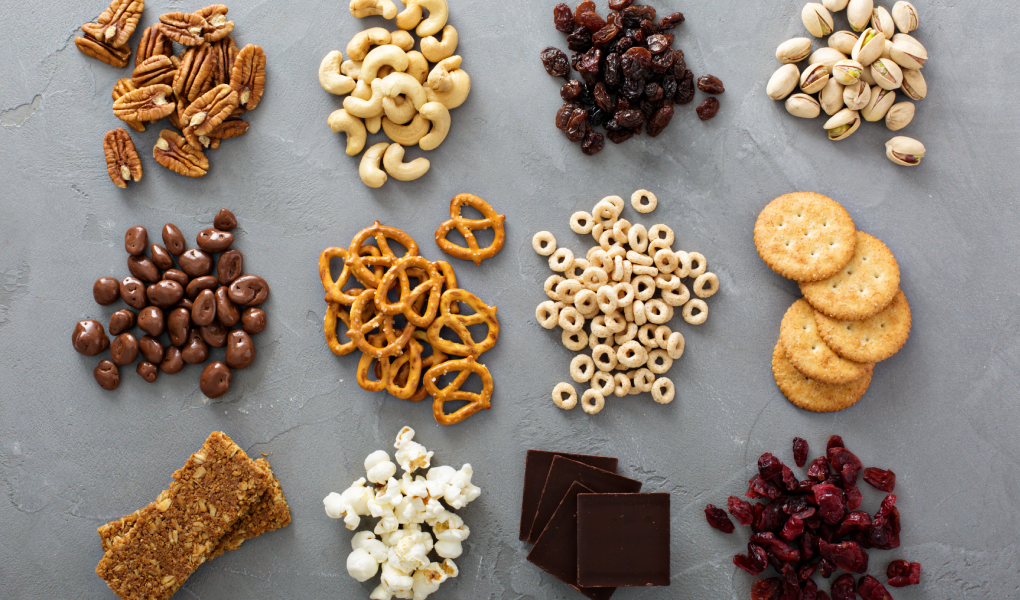
- Fresh fruits and vegetables
- Whole grains like brown rice and barley
- Legumes such as lentils, chickpeas, and beans
- Naturally sourced oils (extra virgin olive oil, coconut oil)
Health Impact: These foods are rich in fiber, vitamins, minerals, and antioxidants, supporting digestion, immunity, and heart health.
3. Avoidance of Harmful Additives
Many processed and industrial foods contain:
- Artificial flavorings, colors, and preservatives
- Hidden haram ingredients such as alcohol-based flavorings or gelatin
- Hydrogenated oils and trans fats
Halal eating emphasizes reading labels and choosing certified foods, minimizing the risk of consuming harmful chemicals.
Health Impact: Reducing processed foods decreases risks of obesity, diabetes, cardiovascular disease, and inflammation.
4. Balanced and Moderated Diet
Islamic dietary principles promote moderation:
- Avoid overeating, even with halal foods.
- Consume varied foods to maintain nutritional balance.
- Practice mindful eating with gratitude, portion control, and attention to satiety signals.
Health Impact: Supports weight management, digestive health, and metabolic balance, reducing the risk of chronic illness.
Mental and Spiritual Benefits of Halal Eating
- Peace of Mind: Eating halal reduces anxiety over religious compliance and fosters spiritual alignment.
- Mindful Consumption: Choosing tayyib foods encourages awareness of what we eat and how it affects our body and soul.
- Connection to Ethical Practices: Halal standards often include ethical treatment of animals and responsible sourcing, promoting moral satisfaction and compassion.
- Sunnah Foods for Mental Health: Incorporating prophetic foods such as dates, honey, olives, and black seed offers natural nutrients that support brain function and energy.
Scientific Insight: Studies show that diets emphasizing natural, minimally processed foods are associated with improved mood, focus, and cognitive function.
Halal Eating and Heart Health
The consumption of halal, whole foods naturally encourages the use of healthy fats and avoidance of trans fats:
- Extra virgin olive oil, avocado oil, and nuts are heart-friendly.
- Halal meat, particularly lean cuts, reduces saturated fat intake.
- Diets rich in fruits, vegetables, and whole grains support cardiovascular health.
Health Benefit: Following halal guidelines and tayyib principles reduces the risk of heart disease, high cholesterol, and hypertension.
Halal Eating and Digestive Wellness
- Whole grains, legumes, fruits, and vegetables provide fiber, aiding digestion.
- Minimally processed foods reduce chemical exposure, supporting gut microbiota.
- Avoidance of haram additives and refined sugars prevents digestive discomfort.
Health Impact: Enhances nutrient absorption, regular bowel function, and gut health, contributing to overall wellness.
Practical Tips to Maximize Health Through Halal Eating
- Choose Halal-Certified Foods: Especially meats, oils, and packaged products.
- Prioritize Tayyib Foods: Fresh, minimally processed, nutrient-dense foods.
- Incorporate Sunnah Foods: Dates, honey, olives, black seed, and barley for added nutritional and spiritual benefits.
- Cook at Home: Control ingredients, reduce processed food consumption, and ensure halal compliance.
- Use Healthy Oils: Extra virgin olive oil, coconut oil, avocado oil, or sesame oil.
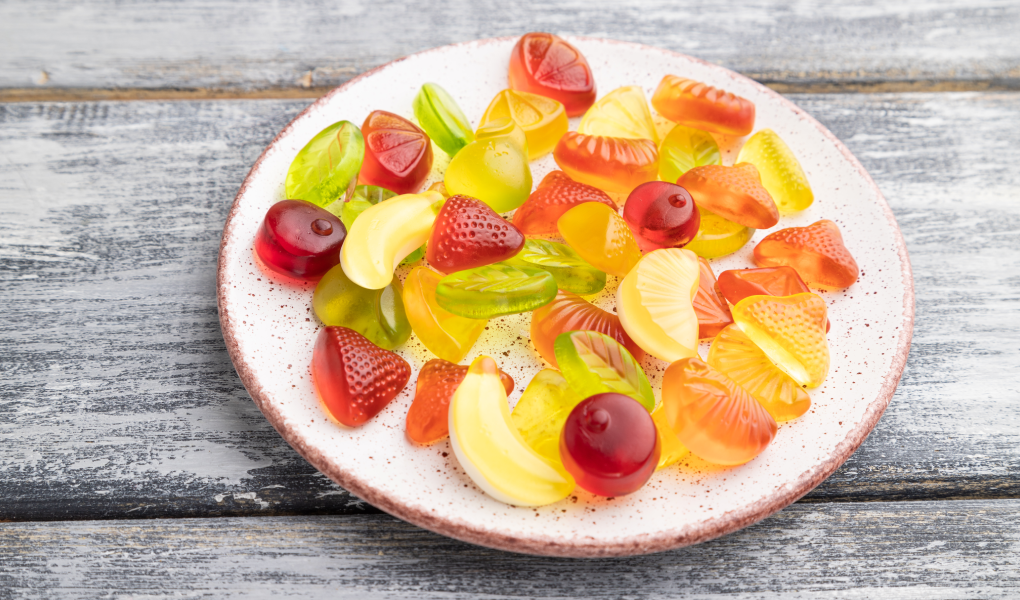
- Limit Processed Foods: Reduce sugary snacks, refined grains, and industrial products.
- Practice Portion Control: Avoid overeating, even with halal foods.
- Stay Hydrated: Drink clean water and herbal teas; avoid sugary beverages.
Bridging Health, Faith, and Ethics
Halal eating is not just about dietary restriction—it is a holistic approach that merges physical health, spiritual mindfulness, and ethical responsibility:
- Health: Supports heart, brain, digestive, and immune system functions.
- Faith: Aligns with Islamic dietary laws and prophetic guidance.
- Ethics: Encourages humane treatment of animals and responsible sourcing.
- Well-being: Promotes moderation, gratitude, and mindfulness in daily life.
By embracing halal and tayyib principles, Muslims can enjoy a diet that nourishes both body and soul.
Conclusion
The link between health and halal eating is clear:
- Halal and Tayyib Foods: Wholesome, ethically sourced, nutrient-rich, and spiritually aligned.
- Industrial or Non-Tayyib Foods: Often processed, nutrient-poor, and ethically ambiguous.
At Halal Edible, we encourage Muslims to:
- Choose halal-certified and tayyib foods.
- Incorporate natural, whole, and nutrient-dense ingredients.
- Limit processed and industrial foods.
- Follow prophetic guidance through Sunnah foods.
- Practice moderation, mindfulness, and ethical consumption.
By combining halal compliance with tayyib principles, Muslims can enhance their health, honor their faith, and cultivate ethical, mindful eating habits—creating a lifestyle that benefits both the body and the soul.