
Introduction
For most of us, the word “Halal” is the primary lens through which we view our food. We look for the Halal logo on a restaurant window or check the ingredient list of a candy bar for gelatin. But have you ever stopped to consider the word that almost always follows Halal in the Quran? That word is Tayyib. Allah (SWT) says: “O messengers, eat from the Tayyibat [clean/good things] and work righteousness” (Surah Al-Mu’minun 23:51). While Halal defines what is legally permissible, Tayyib defines the quality, purity, and ethical standing of that food. Understanding the difference between these two concepts is essential for a holistic Islamic lifestyle.
In this article, we will explore why being Halal alone might not be enough in today’s industrial food system, and how embracing the concept of Tayyib can lead us toward a healthier, more ethical, and more spiritually fulfilling way of eating. We will break down the definitions, the practical implications, and how you can start incorporating Tayyib principles into your kitchen today.
What is Halal? (The Legal Framework)
As we discussed in previous guides, Halal refers to the legal status of an object or action. In food, it specifically means that the item is permissible according to the rules of Shariah. This includes the absence of prohibited substances like pork, alcohol, or blood, and the adherence to correct slaughtering practices for animals. It is a ‘pass/fail’ system: either the chicken was slaughtered correctly, or it wasn’t. Either the ingredient contains alcohol, or it doesn’t. Halal is the essential baseline—the non-negotiable floor of Islamic dietary practice.
What is Tayyib? (The Ethical and Qualitative Dimension)
The word Tayyib comes from an Arabic root meaning good, pure, wholesome, or pleasant. If Halal is about the “rules,” Tayyib is about the “spirit.” For food to be truly Tayyib, it must meet several criteria that go beyond the technical slaughtering process:
- Purity: Is the food free from harmful toxins, excessive pesticides, or unnatural chemicals?
- Wholesomeness: Does this food provide genuine nourishment to the body, or is it “empty calories” that might cause long-term harm?
- Ethics: How was the food produced? Were the animals treated with compassion throughout their lives? Were the workers who picked the vegetables paid a fair wage?
- Environmental Stewardship (Khilafah): Does the production of this food destroy the earth which Allah has entrusted to us?
Why Halal Alone Is Not Enough
Imagine a chicken that is Halal-certified but spent its entire life in a cramped cage, was pumped full of growth hormones, and never saw natural sunlight. Technically, if it is slaughtered correctly, it is Halal. But can we truly say it is Tayyib? Many scholars and activists argue that Islam demands we look at the entire lifecycle of our sustenance. If the process of getting that food to our table involved cruelty, deception, or environmental destruction, it fails the Tayyib test.
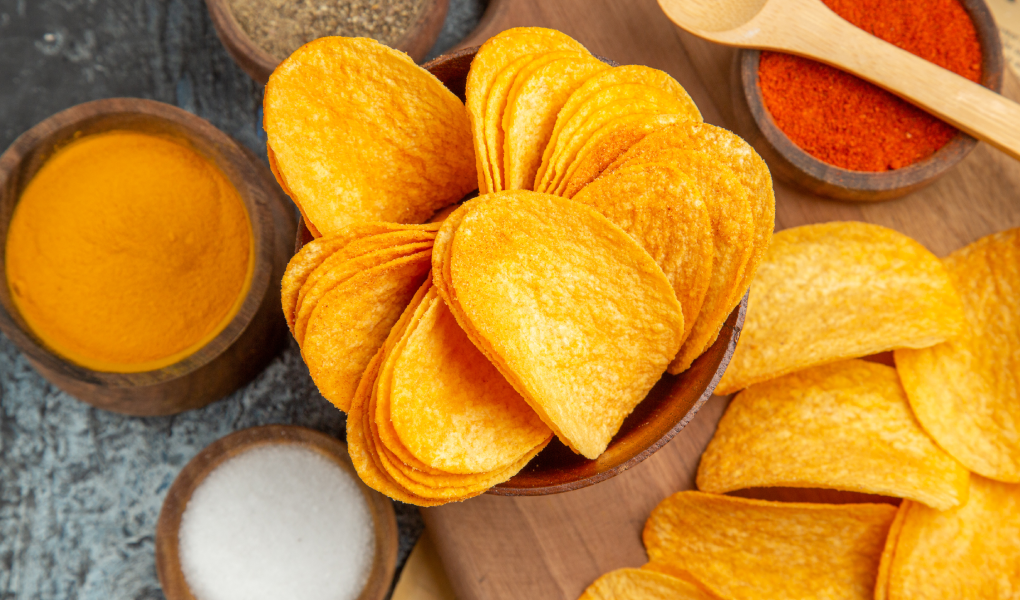
Similarly, a highly processed snack filled with high-fructose corn syrup, artificial dyes, and preservatives might not have any Haram ingredients, but its lack of nutritional value and potential harm to health makes it far from Tayyib. Our bodies are an Amanah (trust) from Allah, and feeding them junk, even if technically Halal, is a neglect of that trust.
The Link Between Health and Spirituality
In Islamic tradition, there is a profound connection between the stomach and the soul. The Prophet Muhammad (PBUH) taught that the supplications (Dua) of a person whose food is earned through Haram means are not accepted. By extension, eating food that is pure and Tayyib softens the heart and makes one more inclined toward worship and good deeds. When we eat food that is fresh, natural, and ethically sourced, we feel a deeper sense of gratitude and connection to the Creator.
How to Practice Halal and Tayyib Together
Transitioning toward a Tayyib lifestyle doesn’t have to happen overnight. It’s a journey of making better choices one step at a time:
- Prioritize Organic and Local: Whenever possible, choose organic produce and meat from local farmers who practice sustainable and humane farming. This ensures the food is closer to its natural state.
- Reduce Processed Foods: Stick to the perimeter of the grocery store where the whole foods (veggies, fruits, meat, dairy) are kept. Avoid the center aisles filled with boxed and canned goods with long lists of chemical ingredients.
- Look Beyond the Label: Support brands that are transparent about their supply chains and environmental impact.
- Eat in Moderation: Tayyib also relates to how we consume. The Sunnah of leaving one-third of the stomach for food, one-third for water, and one-third for air is a fundamental Tayyib practice.
Conclusion
Halal and Tayyib are two sides of the same coin. While Halal provides us with the necessary boundaries, Tayyib encourages us to reach for excellence. By seeking out food that is not only permissible but also pure, ethical, and wholesome, we align our physical habits with our spiritual aspirations. Let us strive to be a community that values not just the ‘letter’ of the law, but the beautiful ‘wholesomeness’ that Islam envisions for all of humanity.