

For many Muslims, ensuring that food is halal—permissible according to Islamic law—is a primary concern when buying groceries, eating out, or choosing packaged products. Halal certification or labeling provides assurance that a product does not contain forbidden ingredients like pork, alcohol, or non-halal meat.
However, halal alone is not the full picture. Islam teaches that food should also be tayyib, meaning wholesome, pure, safe, and beneficial. Consuming halal but unhealthy, heavily processed, or contaminated foods may comply with dietary rules but fail to meet the broader standards of Islamic dietary guidance.
At Halal Edible, we explore why halal alone is not enough and why considering tayyib, health, and ethical practices is essential for truly responsible consumption.
Understanding Halal
Halal refers to foods that are permissible under Islamic law. Key points include:
- Meat and poultry must come from animals slaughtered in the name of Allah.
- Forbidden ingredients, such as pork, alcohol, and blood, are strictly prohibited.
- Halal certification often covers ingredient compliance, preparation methods, and hygiene standards.
While halal ensures compliance with Islamic law, it does not guarantee health, ethical sourcing, or environmental responsibility.
Introducing Tayyib
Tayyib is an Islamic principle that complements halal. It emphasizes:
- Wholesomeness: Food should be pure and beneficial for the body.
- Safety: Free from harmful chemicals, contaminants, and unhealthy additives.
- Ethical Sourcing: Food should be obtained through just and sustainable practices.
- Nutritional Value: Supports overall well-being and a balanced diet.
Islamic teachings encourage Muslims to consume halal and tayyib foods, combining permissibility with purity, health, and ethical consideration.
Why Halal Alone May Not Be Enough
1. Highly Processed Foods
Many processed halal products contain:
- Excess sugar, salt, or trans fats
- Artificial flavorings, colors, and preservatives
- E-numbers with uncertain sources
While these foods may be halal-certified, they may negatively impact health if consumed regularly.
Example: Halal-certified candies or sugary beverages are permissible but not necessarily beneficial or tayyib.
2. Hidden Additives and Chemicals
Some halal foods still contain additives that raise concerns:
- E-numbers: Certain colorings, preservatives, or flavor enhancers may be synthetic or potentially harmful in large quantities.
- Artificial Sweeteners: While halal, some sweeteners may have adverse effects on metabolism, digestion, or allergies.
- Alcohol-Based Extracts: Even in trace amounts, these may be present in natural flavorings or extracts.
Tayyib encourages avoiding such substances whenever possible, favoring natural, wholesome alternatives.
3. Questionable Animal Welfare
Halal slaughter requires animals to be treated humanely, but practices vary:
- Stressful or unethical handling before slaughter can compromise both animal welfare and meat quality.
- Halal certification may not always ensure ethical sourcing beyond the basic slaughter requirements.
Tayyib emphasizes compassionate, ethical treatment of animals, promoting higher standards than mere halal compliance.
4. Environmental and Ethical Considerations
Halal alone does not account for:
- Sustainable sourcing: Overfishing, deforestation, and industrial farming can harm the environment.
- Fair labor practices: Ethical considerations for workers in the supply chain are not always addressed by halal certification.
- Food safety beyond halal: Contaminated or poorly stored halal foods may pose health risks.
Tayyib encourages mindful consumption that benefits society, the environment, and personal health.
How to Ensure Halal and Tayyib Consumption
1. Prioritize Whole Foods
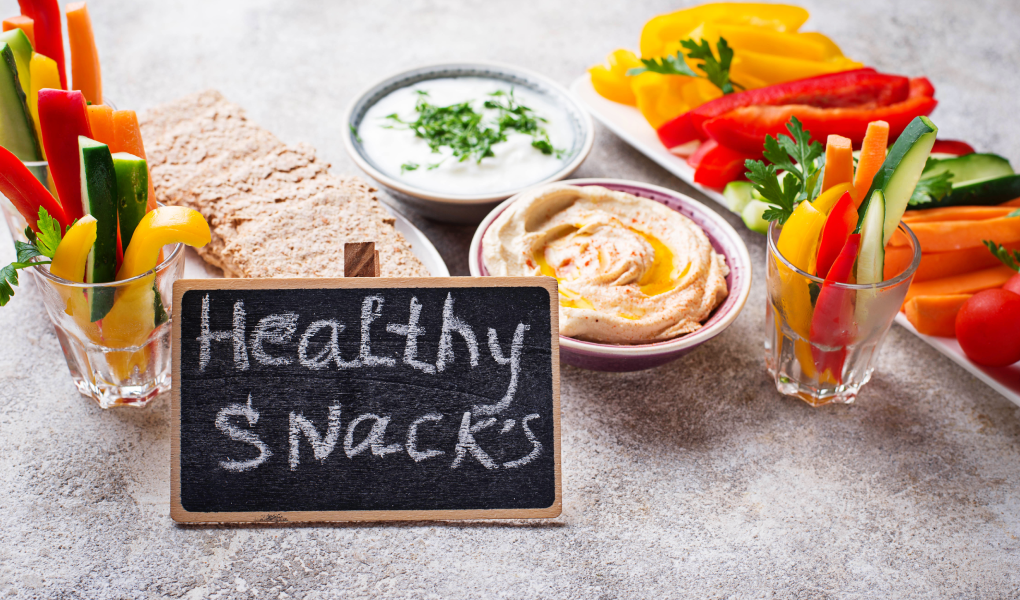
- Fresh fruits, vegetables, grains, and legumes are naturally halal and tayyib.
- Reduce reliance on highly processed or packaged foods, even if halal-certified.
2. Check Ingredient Labels
- Avoid hidden haram ingredients and questionable additives.
- Learn common E-numbers and their sources to ensure both halal and wholesome intake.
3. Prefer Trusted Brands
- Look for brands with transparency about sourcing, animal welfare, and processing practices.
- Certified halal combined with ethical practices is ideal.
4. Limit Artificial Additives
- Reduce artificial colorings, flavorings, and sweeteners.
- Opt for natural flavors, honey, dates, and plant-based ingredients when possible.
5. Consider Ethical and Sustainable Practices
- Choose halal products sourced ethically and sustainably.
- Support farmers, producers, and brands committed to environmental and social responsibility.
Practical Examples
- Halal Snack: A halal-certified candy with artificial colors and sugar may be permissible but not tayyib.
- Halal Meat: Meat from a certified halal supplier that also ensures humane handling, pasture-raised animals, and minimal processing is both halal and tayyib.
- Beverages: Drinks free from alcohol and artificial sweeteners, with natural ingredients, satisfy both halal and tayyib principles.
The Spiritual Dimension
Consuming halal alone satisfies the legal requirement of Islamic dietary law. Incorporating tayyib adds a spiritual dimension:
- Choosing wholesome foods reflects gratitude and respect for the blessings of sustenance.
- Eating responsibly enhances physical and mental health, supporting worship and daily life.
- It aligns with the Islamic principle of moderation (wasatiyyah) in diet.
Conclusion
Halal compliance is essential, but it is only one part of responsible consumption. To truly honor Islamic dietary principles, Muslims should seek foods that are both halal and tayyib—permissible, wholesome, ethical, safe, and beneficial.
At Halal Edible, we recommend:
- Prioritizing certified halal products with transparent sourcing.
- Reducing processed foods and artificial additives.
- Considering animal welfare and ethical practices in food production.
- Choosing natural, wholesome, and safe ingredients to support health and faith.
By embracing both halal and tayyib, consumers not only fulfill religious obligations but also promote health, ethical responsibility, and spiritual mindfulness in their diet.