

In Islam, dietary guidance goes beyond simply avoiding haram foods. The concept of tayyib, meaning wholesome, pure, and beneficial, emphasizes that the foods we consume should nourish the body, mind, and soul. Practicing tayyib eating involves mindful choices, ethical sourcing, and prioritizing foods that promote health and well-being.
At Halal Edible, we explore practical ways Muslims can embrace tayyib principles in their daily diet, combining halal compliance with nutritional wisdom and ethical consumption.
Understanding Tayyib in Islam
The Qur’an describes tayyib as food that is:
- Wholesome and clean: Free from harmful substances.
- Pure: Naturally sourced and minimally processed.
- Beneficial: Supports physical, mental, and spiritual well-being.
Key Hadith: The Prophet Muhammad (peace be upon him) said:
“Indeed, Allah is good and accepts only what is good.”
This hadith emphasizes that the quality of food, not just its permissibility, matters in Islam.
Thus, halal alone is not sufficient; tayyib ensures food is nourishing, ethically sourced, and beneficial.
Principles of Tayyib Eating
1. Choose Halal and Wholesome Ingredients
- Halal: Avoid haram substances such as pork, alcohol, and forbidden additives.
- Tayyib: Prefer natural, minimally processed foods like fresh fruits, vegetables, whole grains, legumes, and ethically sourced meat.
Tip: Always read labels carefully to avoid hidden haram or heavily processed ingredients.
2. Embrace Whole and Natural Foods
- Prioritize whole grains over refined grains.
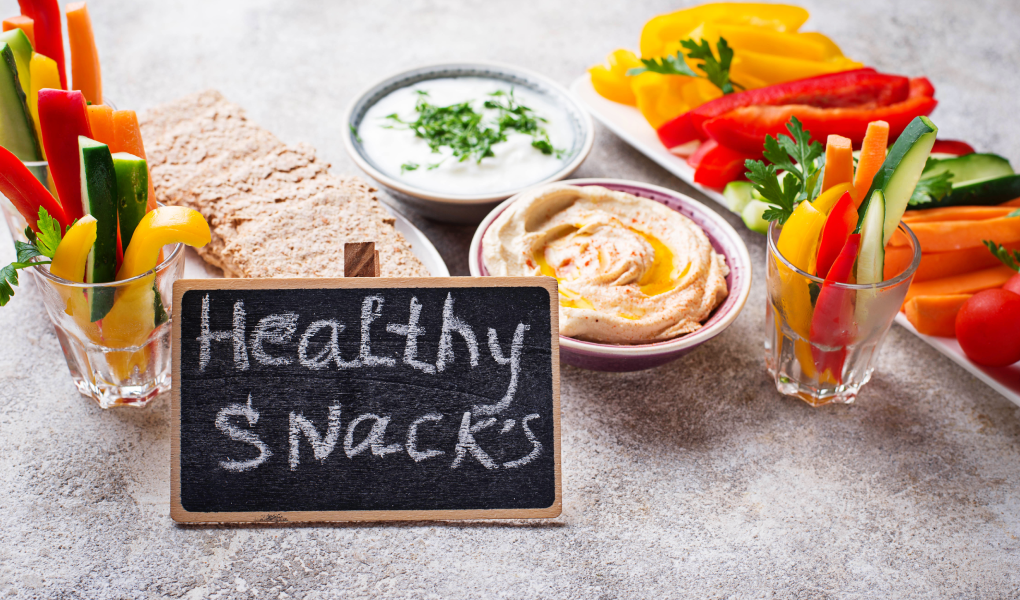
- Choose fresh fruits and vegetables rather than processed snacks.
- Opt for unrefined oils like extra virgin olive oil or cold-pressed coconut oil.
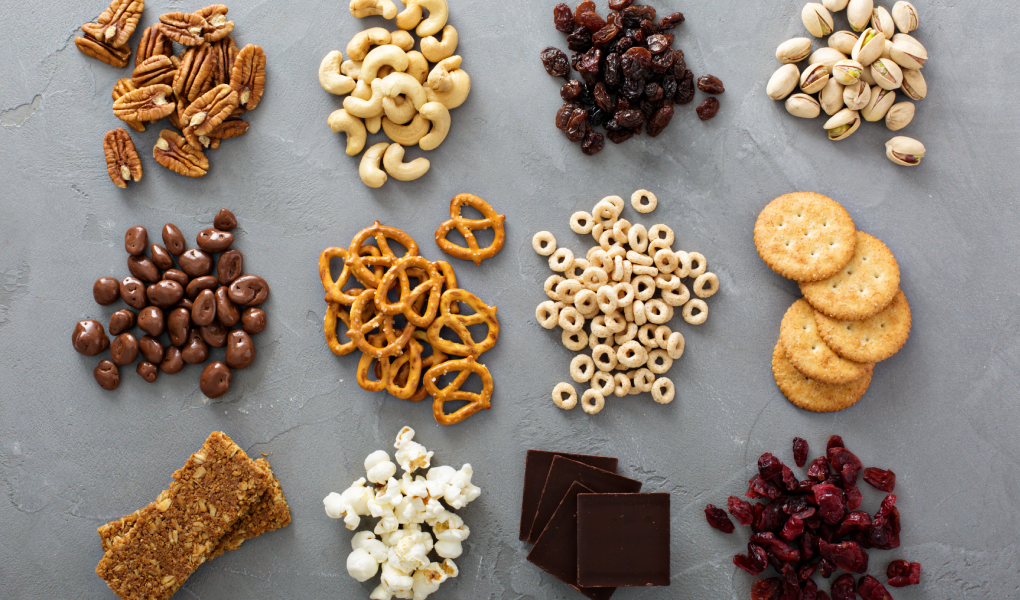
- Include nuts, seeds, and legumes for protein and healthy fats.
Natural foods are closer to their original state, providing maximum nutrition and fewer artificial additives.
3. Mindful Eating Practices
- Eat with awareness: Avoid overeating and focus on the nutritional quality of food.
- Moderation: Islam encourages balance, preventing harm from excessive consumption.
- Gratitude: Acknowledge the source of your food, fostering spiritual mindfulness.
Tip: Avoid highly processed, sugary, or fast foods that offer minimal nutrition.
4. Ethical and Sustainable Sourcing
- Choose foods that are ethically raised and produced.
- Look for halal-certified meats from animals raised humanely.
- Support organic or sustainably farmed produce to reduce exposure to chemicals and protect the environment.
Tayyib eating emphasizes responsibility—not just for health, but also for the welfare of animals and the planet.
5. Avoid Harmful Additives and Processed Foods
Many processed foods contain:
- Artificial flavorings and colorings
- Preservatives
- Hidden haram ingredients like gelatin, rennet, or alcohol-based flavorings
To practice tayyib eating, minimize consumption of processed foods and choose minimally processed alternatives whenever possible.
6. Prioritize Nutrient-Dense Foods
Tayyib eating focuses on foods that nourish the body:
- Proteins: Legumes, fish, eggs, and halal meats.
- Healthy fats: Olive oil, avocado, nuts, and seeds.
- Vitamins and minerals: Fruits, vegetables, whole grains, and leafy greens.
- Fiber: Beans, lentils, and whole grains support digestion.
Nutrient-dense foods help maintain energy, immunity, and long-term health, aligning with the Islamic principle of self-care.
7. Incorporate Sunnah Foods
The Prophet Muhammad (peace be upon him) recommended certain foods for their nutritional and spiritual benefits:
- Dates: Excellent for energy, digestion, and immunity.
- Olives and olive oil: Heart-healthy and anti-inflammatory.
- Honey: Natural sweetener with antibacterial properties.
- Barley: A wholesome grain for digestion and sustenance.
- Black seed (Nigella sativa): Known as a remedy for many ailments.
Including Sunnah foods helps Muslims eat in accordance with prophetic guidance, promoting both health and spirituality.
8. Balance and Moderation
- Islam teaches moderation in all aspects, including diet.
- Avoid extremes such as overconsumption of meat, fried foods, or sugary snacks.
- Use the principle of half food, half water, half air (moderation) in meals.
Balanced diets reduce the risk of obesity, diabetes, heart disease, and other chronic conditions.
9. Hydration and Natural Drinks
- Drink plenty of clean water throughout the day.
- Herbal teas and natural fruit infusions are encouraged.
- Avoid sugary sodas and alcohol-based drinks.
Water is essential for digestion, detoxification, and overall wellness, complementing tayyib eating.
10. Cook at Home Whenever Possible
- Home cooking allows control over ingredients, quality, and halal compliance.
- Reduces exposure to processed oils, hidden additives, and unhealthy fats found in restaurant food.
- Encourages creativity and mindful eating.
Tip: Use halal-certified oils, fresh herbs, and whole ingredients to maximize nutrition.
Practical Steps for Muslims to Practice Tayyib Eating
- Plan meals around whole foods like vegetables, fruits, grains, and lean proteins.
- Read labels carefully to avoid additives, flavorings, or hidden haram ingredients.
- Use halal-certified oils such as extra virgin olive oil, coconut oil, or avocado oil.
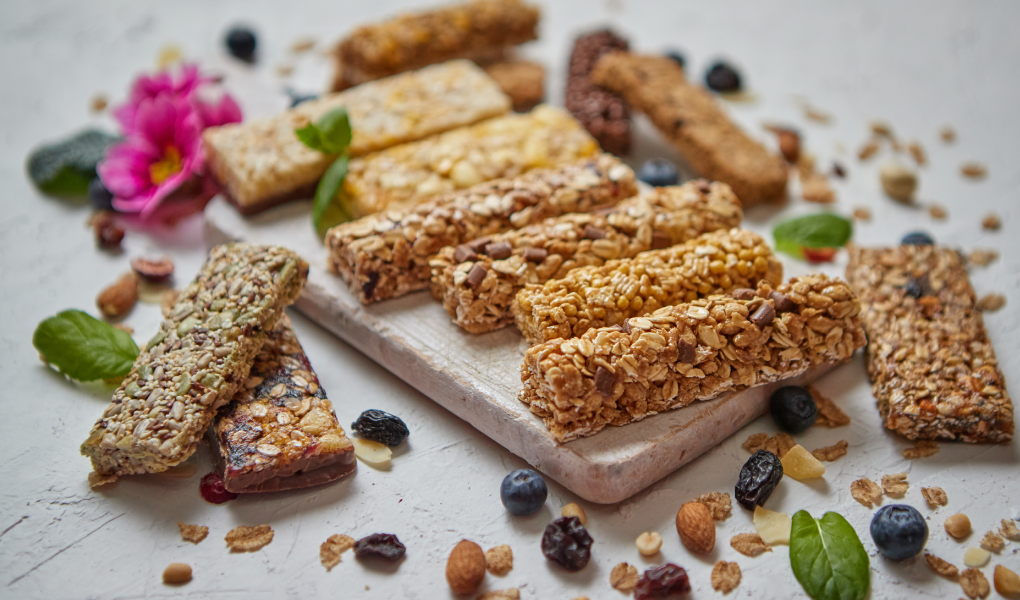
- Limit processed foods, sugary snacks, and fried items.
- Include Sunnah foods like dates, olives, honey, and barley for nutrition and spiritual alignment.
- Practice portion control and mindful eating.
- Choose ethical and sustainable sources for meat, dairy, and produce.
- Hydrate with clean water and herbal teas.
- Cook at home whenever possible to maintain control over food quality.
- Educate yourself about food sources and continually seek wholesome, tayyib options.
Conclusion
Practicing tayyib eating is about more than just following halal rules. It is about:
- Choosing wholesome, nutrient-dense foods
- Avoiding harmful additives, overprocessing, and unethical sources
- Incorporating Sunnah foods for spiritual and physical wellness
- Maintaining balance, moderation, and mindfulness in every meal
At Halal Edible, we encourage Muslims to embrace tayyib principles in their daily diet. By doing so, you not only nourish your body but also uphold ethical, spiritual, and environmental values.
Eating tayyib is a holistic approach that supports health, strengthens faith, and nurtures the soul, making every meal an act of worship and self-care.