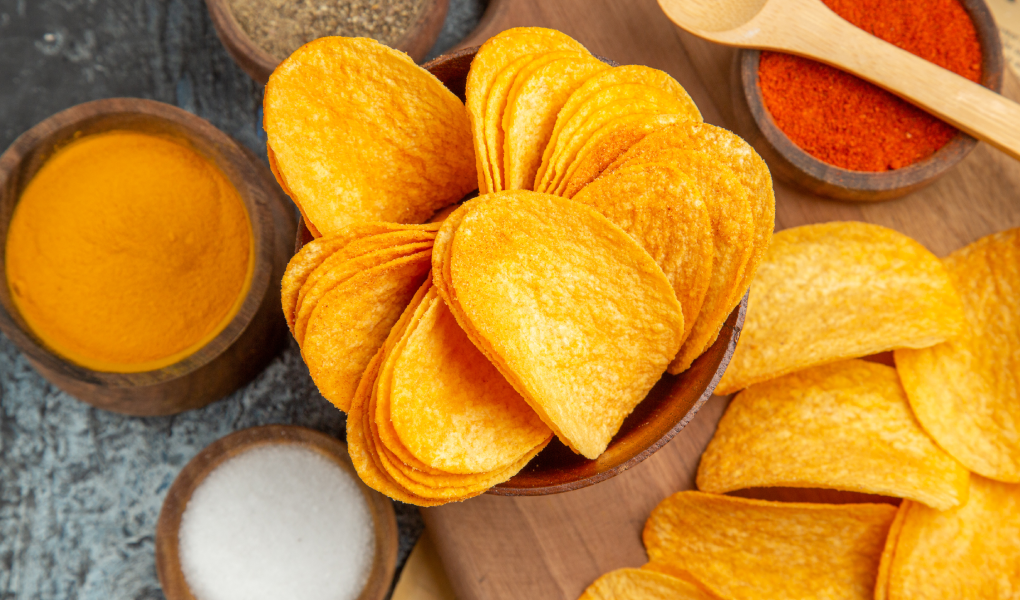


In today’s fast-paced world, industrial and processed foods have become a common part of many diets. While convenient, these foods often prioritize shelf life, appearance, and profitability over nutrition and ethical considerations. In contrast, tayyib food—a concept rooted in Islamic teachings—emphasizes wholesome, pure, and beneficial foods that nourish the body, mind, and spirit.
At Halal Edible, we explore the key differences between industrial food and tayyib food, why choosing tayyib is essential, and practical ways to incorporate wholesome eating into everyday life.
What Is Industrial Food?
Industrial food refers to products that are:
- Mass-produced using highly processed ingredients
- Designed for long shelf life through preservatives, stabilizers, and additives
- Engineered to appeal to taste, convenience, and visual appeal rather than nutrition
Common examples include:
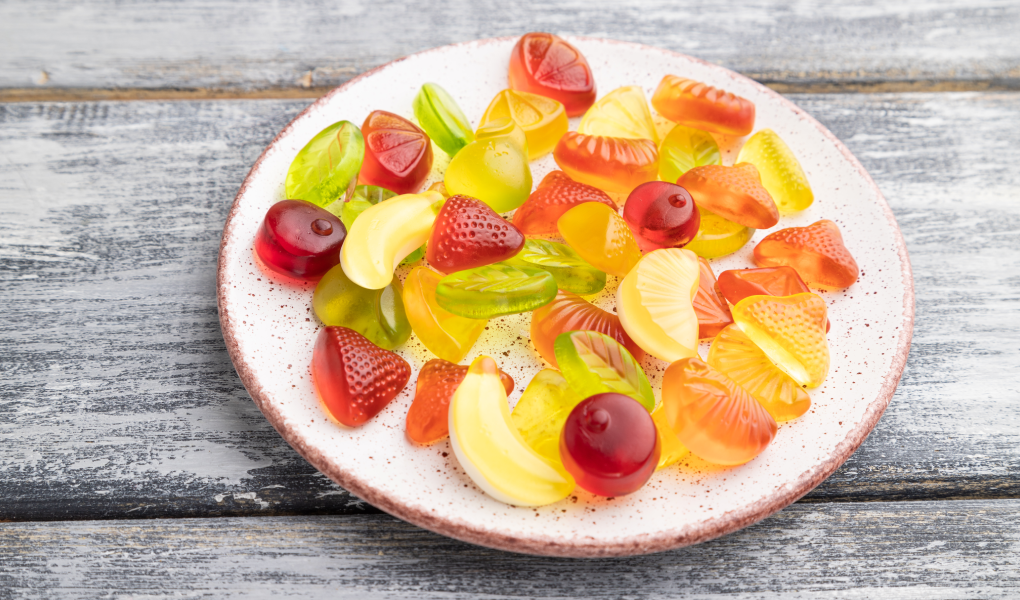
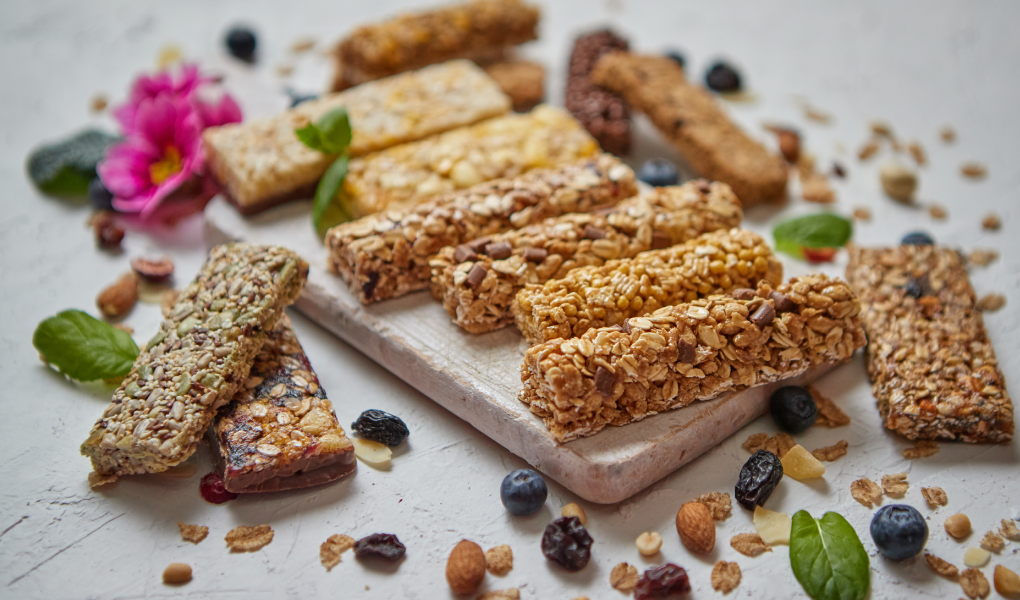
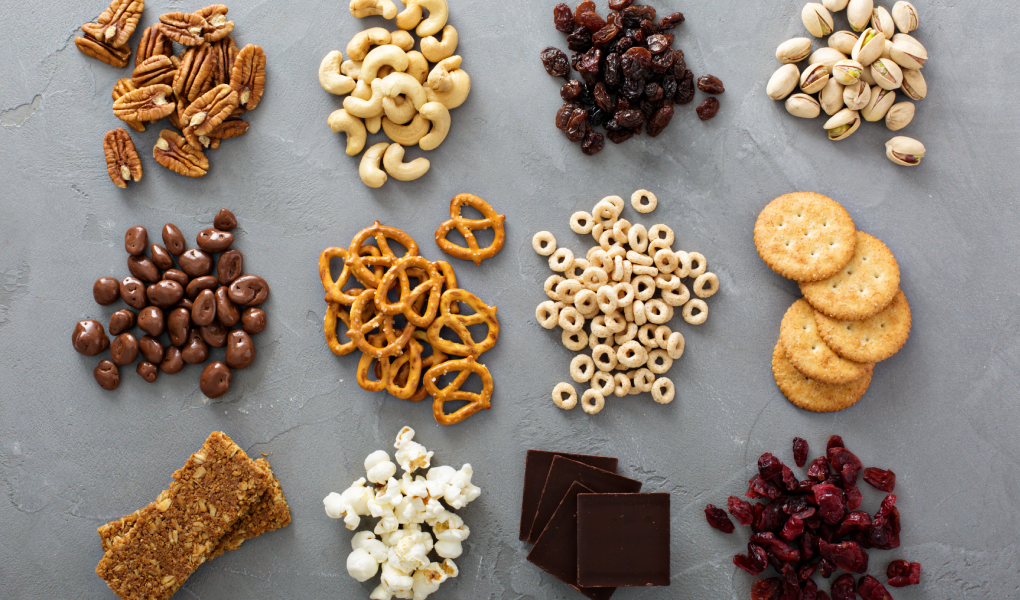
- Packaged snacks (chips, cookies, and sweets)
- Ready-to-eat meals and fast food
- Soft drinks and sugary beverages
- Processed meats and margarine
Key Characteristics of Industrial Food
- Highly Processed: Ingredients are refined, bleached, or chemically treated.
- Contains Additives: Preservatives, artificial flavorings, colors, and stabilizers are common.
- Low Nutritional Value: Often lacks fiber, vitamins, minerals, and antioxidants.
- High in Harmful Components: Excess sugar, sodium, unhealthy fats, and sometimes trans fats.
- Ethical Concerns: May include non-halal additives or be sourced unethically.
What Is Tayyib Food?
Tayyib food, in contrast, is defined by Islam as:
- Wholesome and pure: Free from harmful chemicals and additives
- Nourishing: Supports physical and spiritual well-being
- Ethically sourced: Produced in a responsible and humane manner
Examples of tayyib foods include:
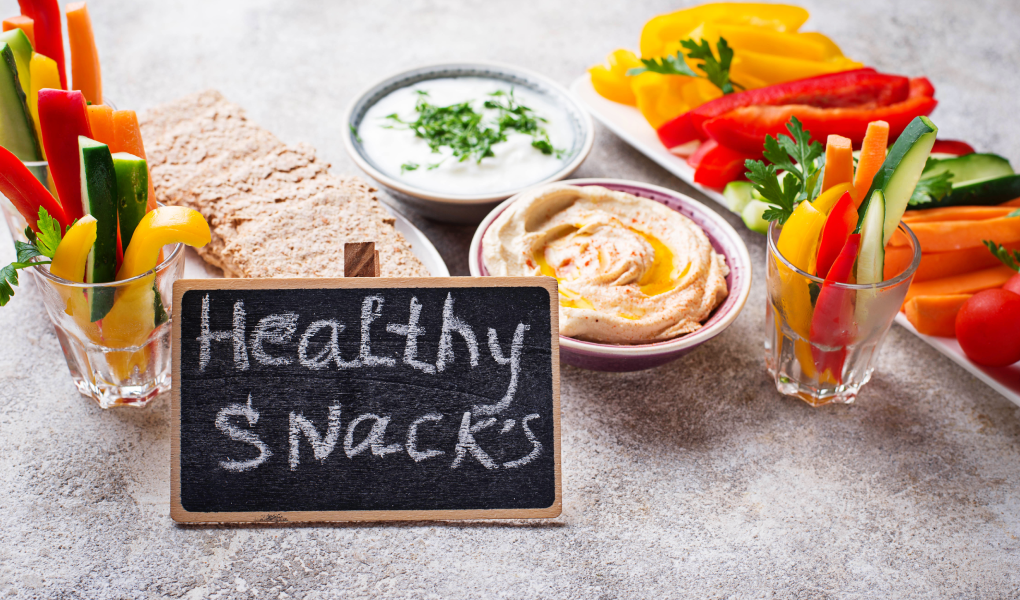
- Fresh fruits and vegetables
- Whole grains and legumes
- Naturally sourced oils like extra virgin olive oil and coconut oil
- Halal-certified meat from ethically raised animals
- Sunnah foods such as dates, honey, olives, and barley
Tayyib food prioritizes health, ethical responsibility, and spiritual mindfulness, aligning diet with both nutrition and Islamic values.
Key Differences: Industrial Food vs Tayyib Food
| Feature | Industrial Food | Tayyib Food |
|---|---|---|
| Processing | Highly processed, refined, and engineered | Minimally processed, natural, and whole |
| Additives | Preservatives, artificial colors, flavors, stabilizers | None or minimal; natural preservatives only |
| Health Impact | Often calorie-dense, nutrient-poor, may increase chronic disease risk | Nutrient-rich, supports heart, brain, and digestive health |
| Ethical Considerations | May include non-halal or unethically sourced ingredients | Halal, ethical, and often sustainable |
| Spiritual Alignment | Focus on convenience, not purity or goodness | Aligns with Islamic principles of tayyib and halal |
| Shelf Life | Long due to chemical additives | Shorter, naturally perishable |
| Taste Focus | Engineered for hyper-palatable flavor | Natural flavors preserved through minimal processing |
Health Implications
Industrial foods, while convenient, can have negative health effects:
- Obesity and Weight Gain: High sugar, refined carbohydrates, and unhealthy fats contribute to excess calorie intake.
- Heart Disease: High sodium, trans fats, and processed oils increase cardiovascular risk.
- Diabetes: Added sugars and refined grains spike blood sugar levels.
- Digestive Issues: Low fiber and chemical additives can disrupt gut health.
- Inflammation: Omega-6 heavy oils and artificial additives can increase inflammation.
Tayyib foods, on the other hand, provide:
- Balanced Nutrition: Rich in fiber, vitamins, minerals, and antioxidants.
- Healthy Fats: Olive oil, nuts, and seeds support heart and brain health.
- Stable Energy: Whole foods promote gradual glucose release and satiety.
- Anti-Inflammatory Properties: Natural compounds reduce oxidative stress and inflammation.
Spiritual and Ethical Dimensions
In Islam, eating is not merely a biological necessity; it is also an act of worship. Choosing tayyib food fulfills spiritual obligations:
- Halal Compliance: Avoids forbidden ingredients and additives.
- Ethical Responsibility: Supports humane treatment of animals and ethical farming.
- Mindfulness: Encourages gratitude, moderation, and respect for natural resources.
- Tayyib Principles: Prioritizes purity, wholesomeness, and health over mere convenience.
Industrial food often neglects these dimensions, focusing instead on cost efficiency and shelf life.
Practical Tips to Incorporate Tayyib Eating
- Cook at Home Whenever Possible
- Control ingredients, avoid hidden additives, and ensure halal compliance.
- Prioritize Whole and Natural Foods
- Fresh fruits, vegetables, legumes, nuts, seeds, and whole grains.
- Choose Halal and Certified Products
- Oils, meat, and packaged foods should carry reliable halal certification.
- Limit Highly Processed Foods
- Reduce consumption of packaged snacks, sugary drinks, and fast food.
- Use Healthy Cooking Oils
- Extra virgin olive oil, coconut oil, and avocado oil are excellent choices.
- Incorporate Sunnah Foods
- Dates, honey, olives, black seed, and barley enhance nutrition and spiritual connection.
- Practice Mindful Eating
- Focus on moderation, gratitude, and enjoying natural flavors.
- Support Ethical and Sustainable Sources
- Opt for organic produce, ethically raised halal meat, and responsible farming practices.
Combining Health and Faith
Practicing tayyib eating is a holistic approach that bridges health, faith, and ethics:
- Physical Health: Nutrient-rich foods support immunity, energy, and longevity.
- Spiritual Health: Mindful eating, gratitude, and halal compliance enhance spiritual well-being.
- Ethical Responsibility: Choosing sustainable, ethical sources reflects stewardship of the planet and care for animals.
By prioritizing tayyib foods, Muslims not only maintain health but also live in alignment with Islamic principles of goodness, purity, and responsibility.
Conclusion
The contrast between industrial food and tayyib food highlights the importance of mindful, ethical, and wholesome eating:
- Industrial Food: Convenient, mass-produced, nutrient-poor, and often misaligned with halal or tayyib principles.
- Tayyib Food: Wholesome, nutrient-dense, ethically sourced, and spiritually aligned.
At Halal Edible, we recommend:
- Focusing on fresh, minimally processed foods to nourish the body.
- Using halal-certified oils and ingredients for cooking and baking.
- Incorporating Sunnah foods to blend nutrition and prophetic guidance.
- Reducing reliance on packaged, processed, and industrial foods.
- Embracing moderation, mindfulness, and ethical sourcing in every meal.
By choosing tayyib over industrial food, Muslims can enhance health, honor faith, and practice ethical consumption, creating a diet that is halal, wholesome, and nourishing in every sense.