
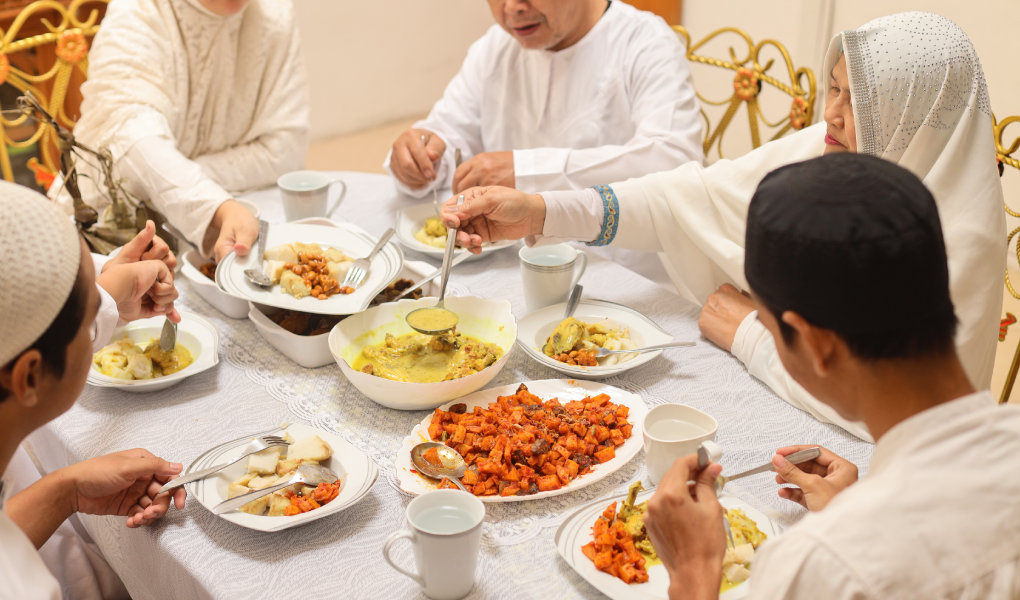
In Islam, the concept of tayyib emphasizes consuming foods that are wholesome, pure, and beneficial for both body and soul. One of the most practical ways to embrace tayyib living is through Sunnah foods—those recommended and consumed by the Prophet Muhammad (peace be upon him). These foods are not only spiritually significant but also nutritionally rich, supporting health, wellness, and ethical eating practices.
At Halal Edible, we explore the role of Sunnah foods in promoting tayyib living, offering guidance on incorporating them into modern diets for holistic health.
What Is Tayyib Living?
Tayyib living is about more than eating halal—it’s about consuming foods that are good, pure, and nourishing, while also being mindful of:
- Health: Foods that provide nutrients, support immunity, and promote overall well-being.
- Spirituality: Eating in alignment with Islamic principles of gratitude, moderation, and mindfulness.
- Ethics: Choosing foods sourced humanely and responsibly, respecting the environment and animals.
The Qur’an emphasizes this principle:
“O you who believe! Eat of the good things that We have provided for you.” – (Qur’an 2:172)
Tayyib living integrates halal compliance with nutrition, ethics, and mindfulness, forming a holistic approach to health and diet.
Understanding Sunnah Foods
Sunnah foods are those specifically mentioned in the Hadiths for their nutritional and spiritual benefits. These include:
- Dates (especially Ajwa dates)
- Olives and olive oil
- Honey
- Barley
- Black seed (Nigella sativa)
- Pomegranate
- Figs
- Milk and water
Why Sunnah Foods Matter
- Nutrient-Dense: Rich in vitamins, minerals, antioxidants, and healthy fats.
- Functional Health Benefits: Support digestion, immunity, heart health, and cognitive function.
- Spiritual Significance: Eating these foods follows the prophetic tradition, combining nutrition with faith.
- Tayyib Compliance: Naturally wholesome, minimally processed, and ethically sourced.
Key Sunnah Foods and Their Health Benefits
1. Dates
- Nutritional Profile: High in fiber, natural sugars, vitamins, and minerals.
- Health Benefits: Supports digestion, boosts energy, and strengthens immunity.
- Tayyib Connection: Naturally grown, unprocessed, and ethically sourced dates embody wholesome nutrition.
Tip: Dates are ideal for breaking fast during Ramadan or as a natural energy snack.
2. Olives and Olive Oil
- Nutritional Profile: Rich in monounsaturated fats, polyphenols, and antioxidants.
- Health Benefits: Supports heart health, reduces inflammation, and promotes healthy skin.
- Tayyib Connection: Cold-pressed extra virgin olive oil retains nutrients and aligns with ethical and halal principles.
Tip: Use olive oil for salad dressings, drizzling over cooked dishes, or light sautéing.
3. Honey
- Nutritional Profile: Natural sugars, enzymes, antioxidants, and antibacterial compounds.
- Health Benefits: Boosts immunity, soothes throat infections, and supports digestion.
- Tayyib Connection: Pure, raw honey is a natural and ethically sourced sweetener.
Tip: Replace refined sugars with honey for a healthier, tayyib alternative.
4. Barley
- Nutritional Profile: High in fiber, vitamins, and minerals.
- Health Benefits: Improves digestion, supports heart health, and stabilizes blood sugar.
- Tayyib Connection: Whole barley grains are minimally processed and provide sustainable nutrition.
Tip: Use barley in soups, stews, or porridge for a wholesome meal.
5. Black Seed (Nigella sativa)
- Nutritional Profile: Contains thymoquinone, antioxidants, and essential fatty acids.
- Health Benefits: Supports immunity, digestion, respiratory health, and has anti-inflammatory properties.
- Tayyib Connection: Naturally grown and minimally processed, black seed promotes holistic wellness.
Tip: Add black seed to bread, smoothies, or sprinkle over salads.
6. Pomegranate and Figs
- Nutritional Profile: Rich in vitamins, fiber, and antioxidants.
- Health Benefits: Anti-inflammatory, supports heart health, and enhances digestion.
- Tayyib Connection: Fresh fruits are naturally wholesome, nutrient-rich, and ethically sourced.
Tip: Consume fresh or dried for snacking or in smoothies and salads.
Practical Tips for Integrating Sunnah Foods into Daily Life
- Start the Day with Sunnah Foods: Dates, honey, or milk provide energy and nutrients.
- Use Healthy Oils: Extra virgin olive oil and black seed oil for cooking and finishing dishes.
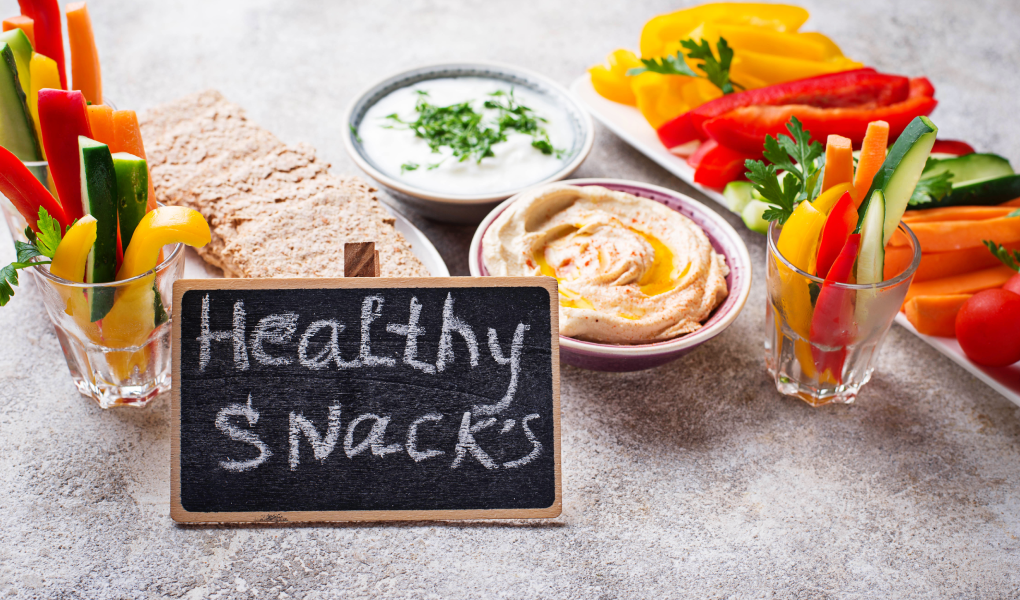
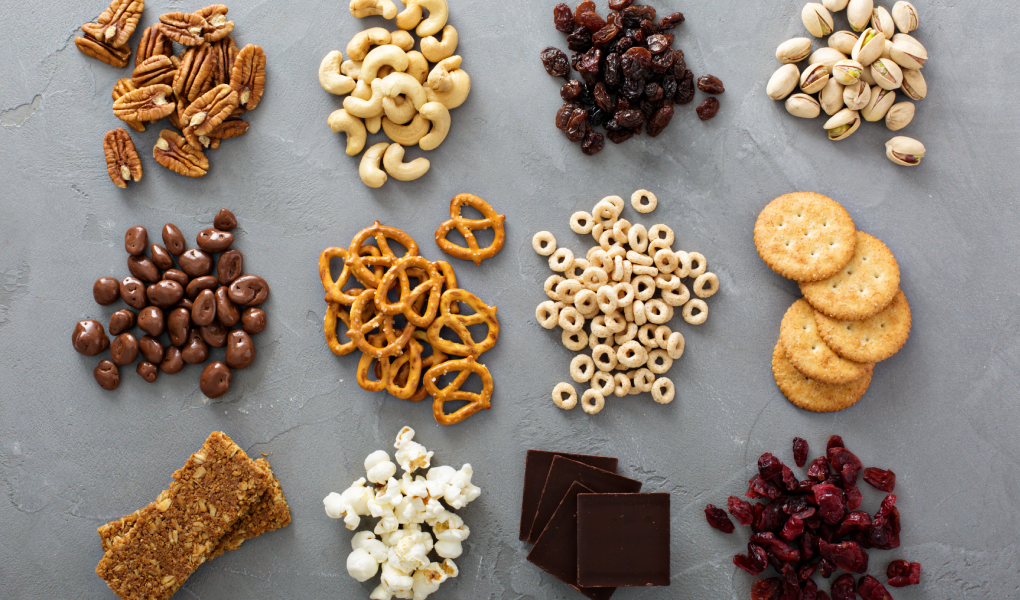
- Snack Wisely: Fresh fruits, dates, and nuts instead of processed snacks.
- Incorporate Grains: Barley and whole grains in soups, salads, and main meals.
- Mindful Hydration: Drink water and herbal infusions; avoid sugary beverages.
- Cook at Home: Ensures halal compliance and tayyib quality.
- Balance Diet: Combine proteins, healthy fats, and carbohydrates for nutritional completeness.
Sunnah Foods and Ethical Tayyib Living
Beyond nutrition, Sunnah foods promote ethical and responsible consumption:
- Animal Welfare: Halal meat ensures humane treatment of animals.
- Sustainability: Choosing naturally grown fruits and grains supports ecological balance.
- Spiritual Mindfulness: Eating tayyib foods fosters gratitude, moderation, and mindfulness.
Conclusion: Incorporating Sunnah foods into daily life reflects a commitment to physical health, spiritual growth, and ethical responsibility.
Benefits of Combining Sunnah Foods with Modern Tayyib Practices
- Supports Chronic Disease Prevention: Fiber, antioxidants, and healthy fats reduce risk of heart disease, diabetes, and inflammation.
- Boosts Energy and Immunity: Nutrient-dense foods strengthen immunity and sustain energy levels.
- Enhances Spiritual Well-being: Following prophetic guidance promotes mindfulness and gratitude.
- Encourages Ethical Living: Supports sustainable farming, humane animal treatment, and minimal processing.
Conclusion
Sunnah foods are a natural bridge between health, spirituality, and ethical consumption.
At Halal Edible, we encourage Muslims to:
- Prioritize tayyib foods in daily diets.
- Include Sunnah foods such as dates, olives, honey, barley, black seed, pomegranate, and figs.
- Cook at home using halal-certified and minimally processed ingredients.
- Practice moderation, mindfulness, and gratitude with every meal.
- Support ethical, sustainable, and wholesome food sources.
By embracing Sunnah foods and tayyib living, Muslims can nourish their body, mind, and soul, creating a lifestyle that promotes health, spiritual alignment, and ethical responsibility. Eating in this way transforms every meal into an act of worship, wellness, and conscious living.