
In today’s fast-paced world, processed foods are everywhere—from packaged snacks to ready-to-eat meals and sugary beverages. While convenient, many of these foods are nutritionally poor, heavily processed, and sometimes include hidden haram ingredients. For Muslims striving to follow a halal and tayyib diet, avoiding processed foods is essential for physical health, spiritual mindfulness, and ethical eating.
At Halal Edible, we explore the importance of minimizing processed foods in a halal diet, the risks of consuming them, and practical strategies to maintain wholesome, nourishing, and ethically sourced meals.
Understanding Processed Foods
Processed foods are items that have been altered from their natural state for shelf life, taste, convenience, or appearance. These include:
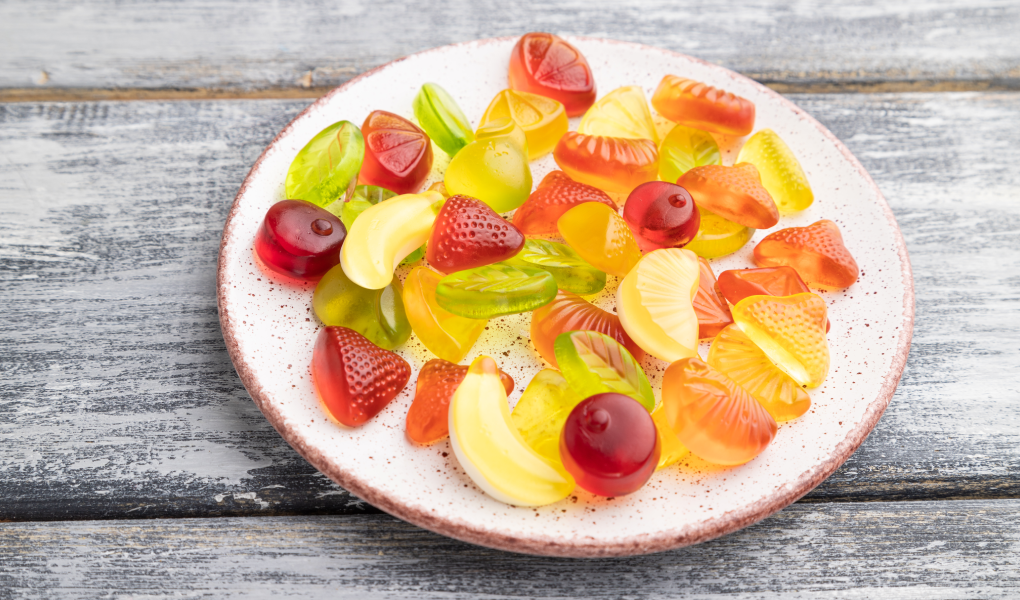
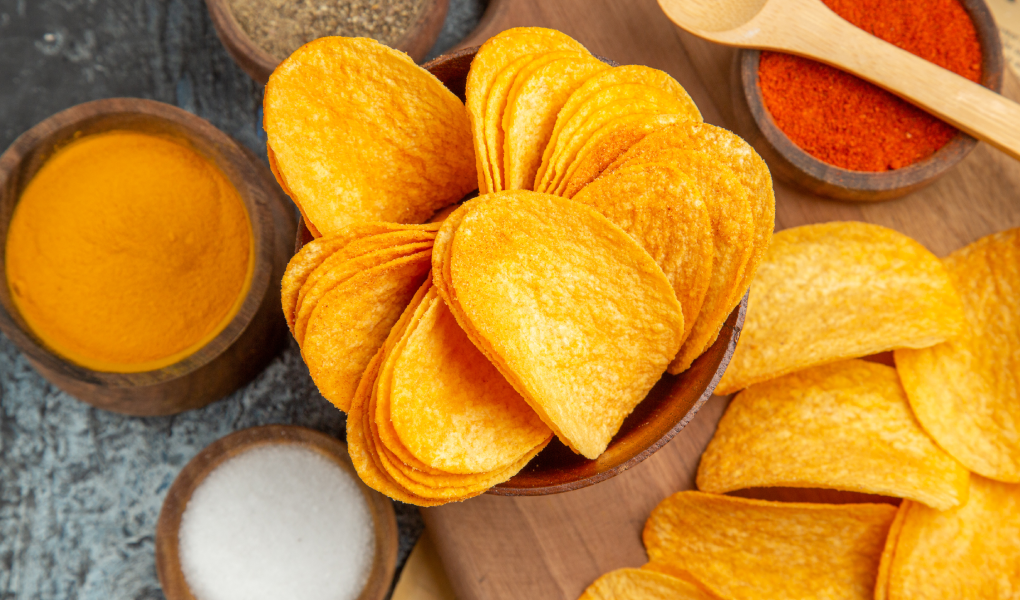
- Packaged snacks such as chips, cookies, and candies
- Sugary beverages and soft drinks
- Ready-to-eat meals and instant noodles
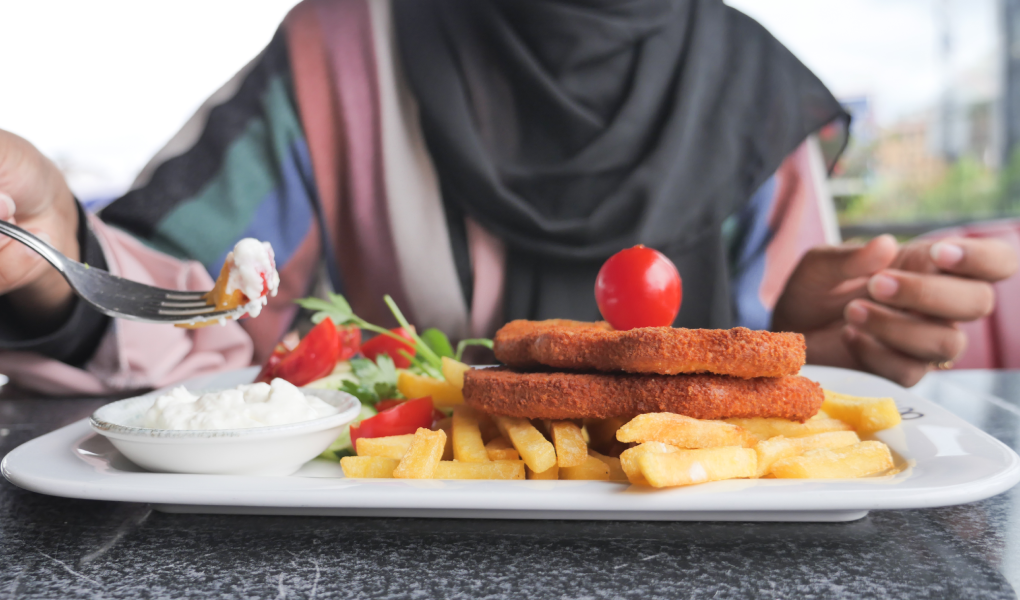
- Processed meats like sausages, hot dogs, and deli meats
- Refined oils and margarine
Levels of Food Processing
- Minimally Processed: Foods cleaned, chopped, or frozen but largely intact (e.g., frozen vegetables, fresh-cut fruits).
- Moderately Processed: Foods that include added ingredients for flavor or preservation (e.g., flavored yogurt, canned soups).
- Highly Processed/Ultra-Processed: Industrial products with artificial additives, preservatives, flavorings, and refined ingredients (e.g., sugary cereals, packaged baked goods).
In a halal diet, it is crucial to minimize moderate and highly processed foods, while prioritizing fresh, whole, and tayyib foods.
Risks of Processed Foods in a Halal Diet
1. Hidden Haram Ingredients
Processed foods can contain ingredients that are not halal, such as:
- Gelatin from non-halal sources
- Non-halal rennet in cheese
- Alcohol-based flavorings or extracts
- Enzymes and emulsifiers derived from prohibited animals
Impact: Consuming these ingredients unknowingly violates halal dietary principles.
2. Nutritional Deficiencies
- Processed foods are often low in fiber, vitamins, and minerals.
- High in refined sugar, sodium, and unhealthy fats.
- Lack essential nutrients needed for immunity, digestion, and energy.
Impact: Frequent consumption can lead to deficiencies, fatigue, and long-term health problems.
3. Chronic Health Risks
- Obesity: High sugar, refined grains, and trans fats contribute to weight gain.
- Heart Disease: Excess sodium, hydrogenated oils, and unhealthy fats increase cardiovascular risk.
- Diabetes: Refined carbohydrates and sugars spike blood sugar levels.
- Digestive Issues: Low fiber and artificial additives can cause bloating and gut imbalance.
Islamic Perspective: Maintaining health is a spiritual duty; consuming harmful foods contradicts the principle of tayyib living.
4. Ethical Concerns
- Industrial processed foods may rely on unethically sourced ingredients, non-halal animal byproducts, or unsustainable farming practices.
- Choosing highly processed products may indirectly support exploitation of animals and environmental degradation.
Tayyib Principle: Islam encourages consuming foods that are not only halal but also pure, wholesome, and ethically sourced.
Benefits of Avoiding Processed Foods
- Better Nutrition: Fresh, whole foods provide fiber, vitamins, minerals, and antioxidants.
- Improved Digestive Health: Natural foods support gut health and nutrient absorption.
- Stable Energy Levels: Whole grains, legumes, fruits, and nuts release energy gradually.
- Heart Health: Reduced intake of trans fats and excessive sodium protects cardiovascular function.
- Spiritual Mindfulness: Eating tayyib foods fosters gratitude, moderation, and ethical awareness.
- Weight Management: Minimally processed foods reduce the risk of overeating and obesity.
Practical Strategies to Avoid Processed Foods in a Halal Diet
1. Read Food Labels Carefully
- Look for halal certification and avoid hidden haram additives.
- Check for preservatives, artificial flavors, and refined sugars.
- Prefer products with simple, recognizable ingredients.
2. Cook at Home
- Control ingredients and portion sizes.
- Use fresh fruits, vegetables, whole grains, and halal meats.
- Avoid processed oils, artificial sweeteners, and pre-packaged mixes.
Tip: Preparing meals at home transforms eating into an act of mindfulness and tayyib living.
3. Choose Whole Foods
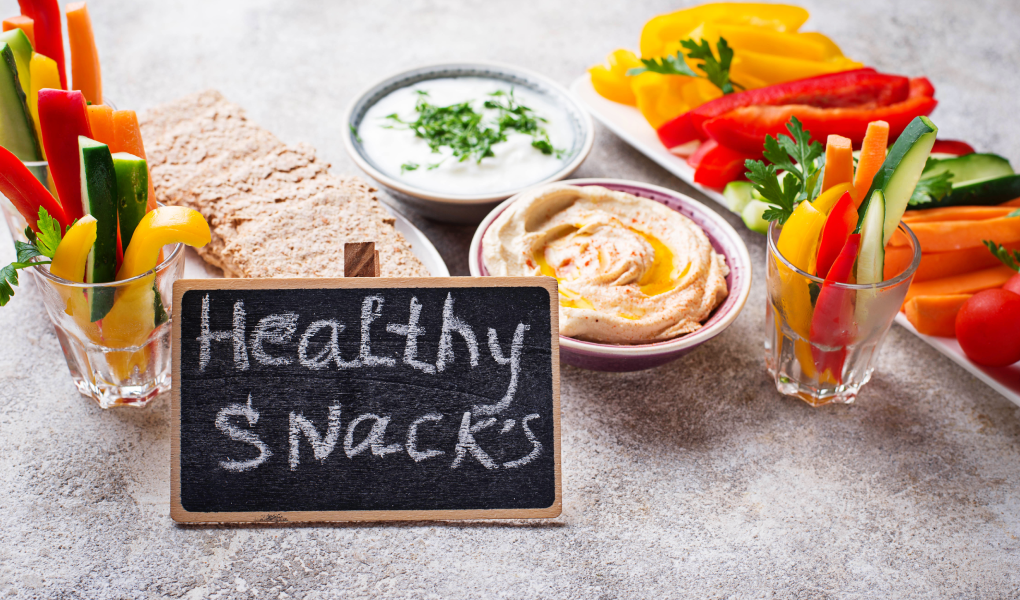
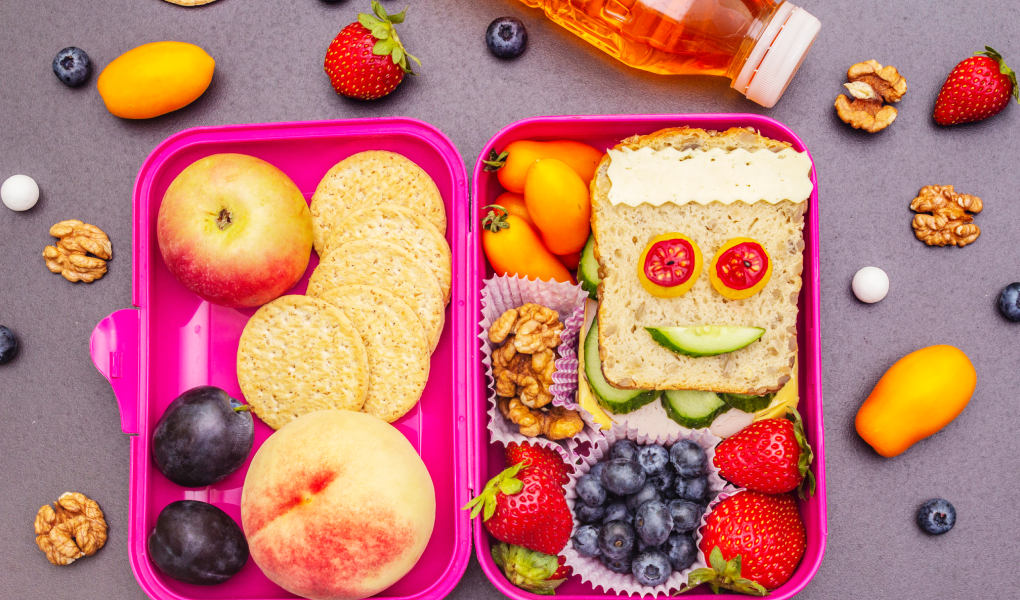
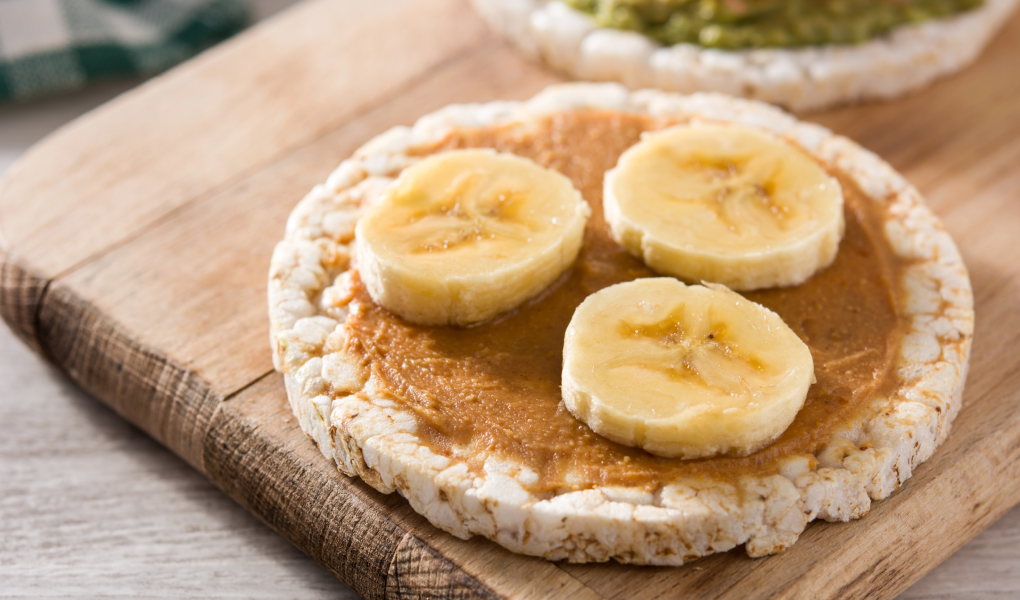
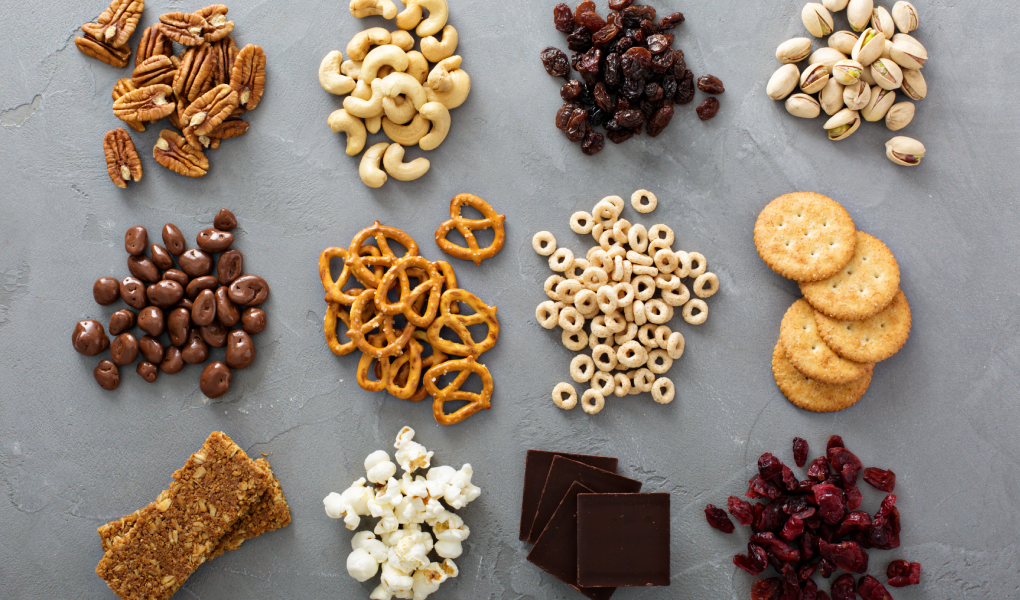
- Replace packaged snacks with nuts, seeds, and fresh fruits.
- Use whole grains instead of refined flour products.
- Include legumes like lentils, beans, and chickpeas for plant-based protein.
4. Use Healthy Oils
- Replace industrial oils and margarine with extra virgin olive oil, coconut oil, avocado oil, or sesame oil.
- Avoid hydrogenated oils or refined vegetable oils with chemical processing.
5. Incorporate Sunnah Foods
- Dates, honey, olives, black seed, and barley are naturally wholesome and beneficial.
- They provide nutrition, energy, and align with prophetic guidance.
6. Limit Sugary Beverages and Snacks
- Opt for water, herbal teas, or natural fruit infusions.
- Avoid sodas, energy drinks, and packaged sweets high in sugar and artificial flavors.
7. Practice Mindful Eating
- Eat slowly and in moderation, focusing on taste, nutrition, and gratitude.
- Avoid eating on autopilot or consuming excessive packaged foods.
- Incorporate halal and tayyib principles in every meal.
Clean and Wholesome Alternatives to Processed Foods
| Processed Food | Halal & Tayyib Alternative |
|---|---|
| Packaged chips | Roasted nuts, seeds, or air-popped popcorn |
| Sugary cereal | Oats with fruits and honey |
| Soft drinks | Water, herbal teas, or fruit-infused water |
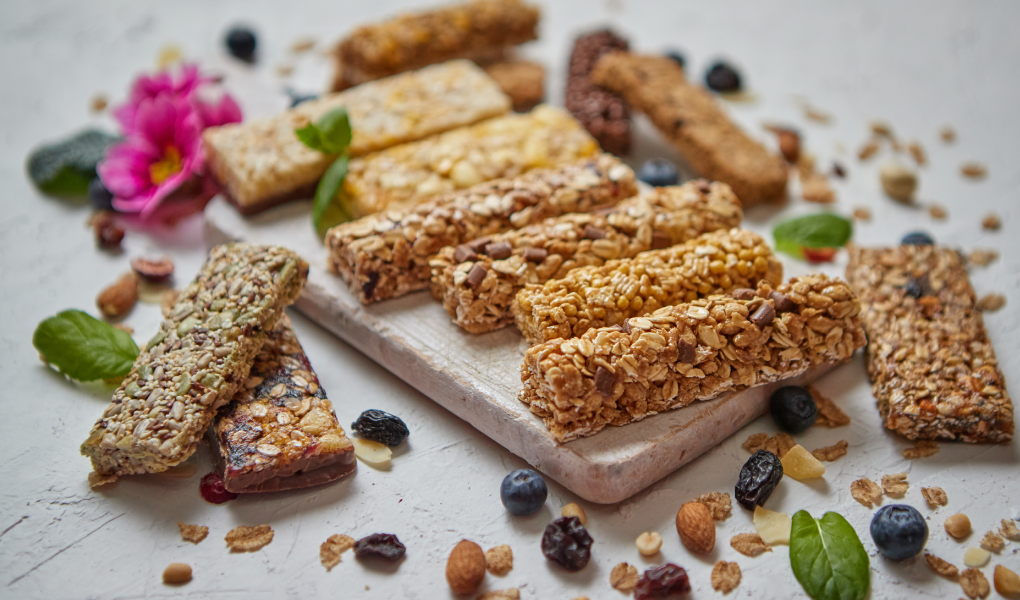
| Packaged cookies | Homemade date and nut bars |
| Instant noodles | Whole grain pasta or barley soup with vegetables |
| Processed meats | Halal lean meats, grilled or baked at home |
Conclusion
Avoiding processed foods is a vital step in maintaining a healthy, halal, and tayyib diet.
- Processed foods are often nutrient-poor, contain hidden haram ingredients, and increase the risk of chronic diseases.
- Tayyib foods, including fresh fruits, vegetables, whole grains, halal-certified meats, and Sunnah foods, are nutritious, ethical, and spiritually aligned.
At Halal Edible, we encourage Muslims to:
- Prioritize fresh, whole, and minimally processed foods.
- Cook at home to maintain control over ingredients and quality.
- Read labels carefully to avoid hidden haram additives.
- Use Sunnah foods and healthy oils to enhance nutrition.
- Practice moderation, gratitude, and mindful eating in every meal.
By reducing processed foods and embracing halal and tayyib principles, Muslims can nourish their body, protect their health, and honor their faith, making every meal a source of wellness and spiritual mindfulness.