For Muslims seeking to maintain a halal diet, reading food labels is an essential skill. While halal-certified products make it easier to identify permissible foods, many items in stores are either non-certified or ambiguously labeled. Understanding how to read and interpret food labels ensures that you consume products that meet Islamic dietary laws, avoid forbidden ingredients, and make informed choices about your health.
At Halal Edible, we provide a comprehensive guide on reading food labels for halal compliance, what to look for, and common pitfalls to avoid.
Why Reading Food Labels Matters
Food labels provide critical information, including:
- Ingredients – What goes into the product.
- Additives and preservatives – Chemical substances, flavorings, and colorings.
- Allergen information – Potential allergens that may be hidden.
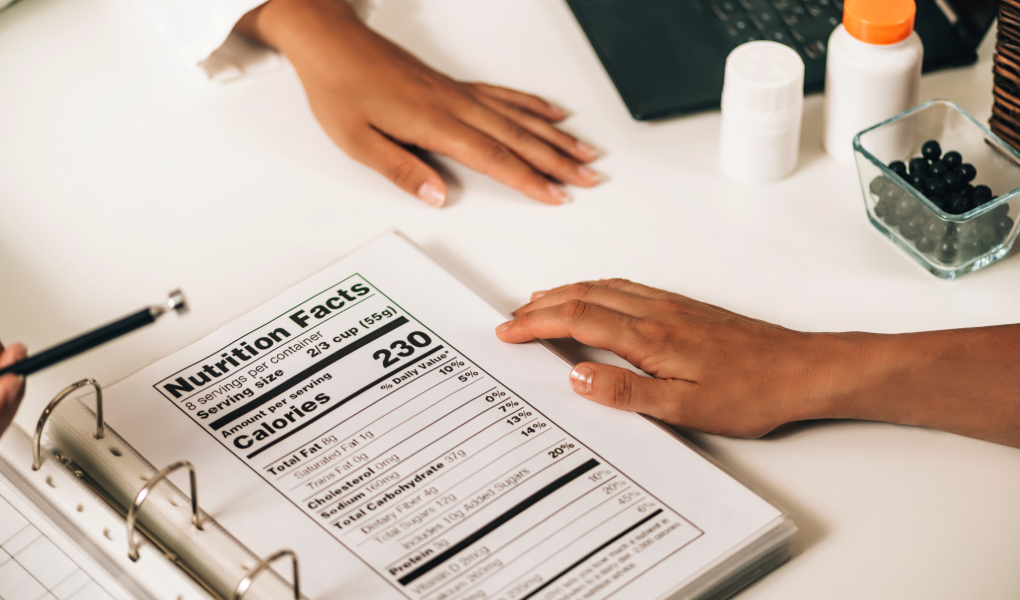
- Nutrition facts – Health-related information like sugar, fat, and sodium content.
For halal consumers, reading labels is especially important because:
- Hidden Haram Ingredients: Some additives, flavorings, and stabilizers may be derived from pork, non-halal animals, or alcohol.
- Cross-Contamination: Products may be made in facilities that handle non-halal ingredients.
- Misleading Claims: Terms like “natural flavor” or “vegetable oil” do not guarantee halal compliance.
Step-by-Step Guide to Reading Labels for Halal Compliance
1. Start With the Ingredients List
The ingredients list is your first line of defense. Pay attention to:
- Animal-Derived Ingredients: Gelatin, rennet, lard, casein, or enzymes. Ensure they are halal-certified.
- Alcohol-Based Extracts: Vanilla extract or flavorings may contain alcohol used in processing.
- Additives and E-Numbers: Some colorings, emulsifiers, and stabilizers can be haram if animal-derived.
Tip: Learn common hidden names for haram ingredients, such as cochineal (E120), gelatin (E441), or shellac (E904).
2. Look for Halal Certification
A recognized halal symbol is the easiest way to ensure compliance. When checking labels:
- Verify the certifying body (e.g., IFANCA, JAKIM, MUIS, HFA).
- Check the certification number if provided.
- Ensure the certification is current and covers the specific product type.
Even if a product claims to be halal without certification, verification is recommended, especially for processed foods.
3. Examine E-Numbers and Additives
E-numbers represent approved additives like preservatives, colorings, and flavorings. Some may not be halal:
- E120 (Carmine): Red coloring from insects.
- E441 (Gelatin): Pork or non-halal beef source.
- E322 (Lecithin): May be animal-derived.
- E904 (Shellac): Coating from insects.
Tip: Use online databases or apps to check E-numbers for halal compliance.
4. Watch Out for Vague Terms
Manufacturers may use broad or ambiguous terms, such as:
- “Natural Flavors” – Could contain alcohol or animal derivatives.
- “Vegetable Oil” – May be blended with animal fats or hydrogenated oils.
- “Spices” – Could be enhanced with artificial flavors.
If the source is unclear, contact the manufacturer or avoid the product.
5. Check for Cross-Contamination Warnings
Some products include disclaimers like:
- “May contain traces of milk, eggs, or nuts.”
- “Produced in a facility that handles meat products.”
While these statements are meant for allergens, they can indicate potential cross-contact with haram ingredients, which is important for halal compliance.
6. Review Nutritional and Allergen Information
Although halal compliance primarily concerns ingredients, nutrition and allergens also matter:
- Allergens: Some proteins like casein (milk) or albumin (egg) may be non-halal if sourced improperly.
- Health Considerations: Excessive sugar, trans fats, and artificial additives can affect overall wellness, which aligns with the Islamic principle of consuming wholesome (tayyib) foods.
Common Mistakes When Reading Labels
- Assuming “Vegetarian” Means Halal: Vegetarian products may still contain alcohol-based flavorings or shared equipment contamination.
- Ignoring Certification Authority: Not all halal logos are recognized; unverified logos may be misleading.
- Overlooking E-Numbers: Some additives have haram sources that are not obvious from the name.
- Relying on Marketing Claims: Words like “natural,” “organic,” or “healthy” do not guarantee halal compliance.
Tips for Making Halal-Compliant Choices
- Prefer Certified Halal Products: Especially for processed foods, meats, and imported items.
- Educate Yourself on Additives: Learn which common additives, E-numbers, and flavorings may be haram.
- Choose Whole Foods: Fresh fruits, vegetables, grains, and halal meats reduce the risk of hidden haram ingredients.
- Use Trusted Brands: Brands that prioritize transparency and halal certification reduce risk.
- Contact Manufacturers When Unsure: Direct communication can clarify ambiguities in labeling or ingredient sourcing.
The Role of Tayib in Halal Labeling
Halal compliance is not only about avoiding forbidden substances; it also aligns with the concept of tayyib, meaning wholesome, pure, and beneficial. When reading labels:
- Avoid products with excessive artificial additives or unhealthy components.
- Choose foods that are natural, minimally processed, and ethically sourced.
- Prioritize quality and cleanliness alongside halal compliance.
Conclusion
Reading food labels for halal compliance is an essential skill for Muslims who want to maintain their dietary laws while navigating a modern food market. By understanding ingredients, additives, E-numbers, certification symbols, and potential cross-contamination, consumers can make informed, safe, and halal-compliant choices.
At Halal Edible, we advise:
- Prioritize certified halal products when available.
- Verify ambiguous ingredients like gelatin, flavorings, or additives.
- Educate yourself on E-numbers, allergen information, and cross-contamination risks.
- Prefer whole and minimally processed foods to reduce exposure to hidden haram ingredients.
By reading food labels carefully, you ensure that every meal aligns with faith, health, and ethical consumption principles.