
In today’s global food market, labels are everywhere. From “organic” to “halal,” these labels guide consumers toward healthier, ethical, and permissible choices. But what do these labels really mean, and how do they differ? Can a product be organic but not halal, or halal but not organic? At Halal Edible, we break down the differences, similarities, and how you can make informed choices when shopping for food.
What Does “Halal” Mean?
Halal is an Arabic term meaning “permissible” or “lawful” under Islamic law. Halal food is prepared, processed, and handled according to specific rules outlined in the Quran and Hadith.
Key requirements for halal food include:
- Permissible ingredients: Pork, alcohol, and certain animal by-products are strictly forbidden.
- Proper slaughtering: Animals must be slaughtered humanely, invoking the name of Allah at the time of slaughter.
- Cleanliness and hygiene: Food should be prepared and stored in a sanitary manner, free from contamination with haram substances.
Halal certification ensures that a product meets these religious standards, allowing Muslims to consume it with confidence.
What Does “Organic” Mean?
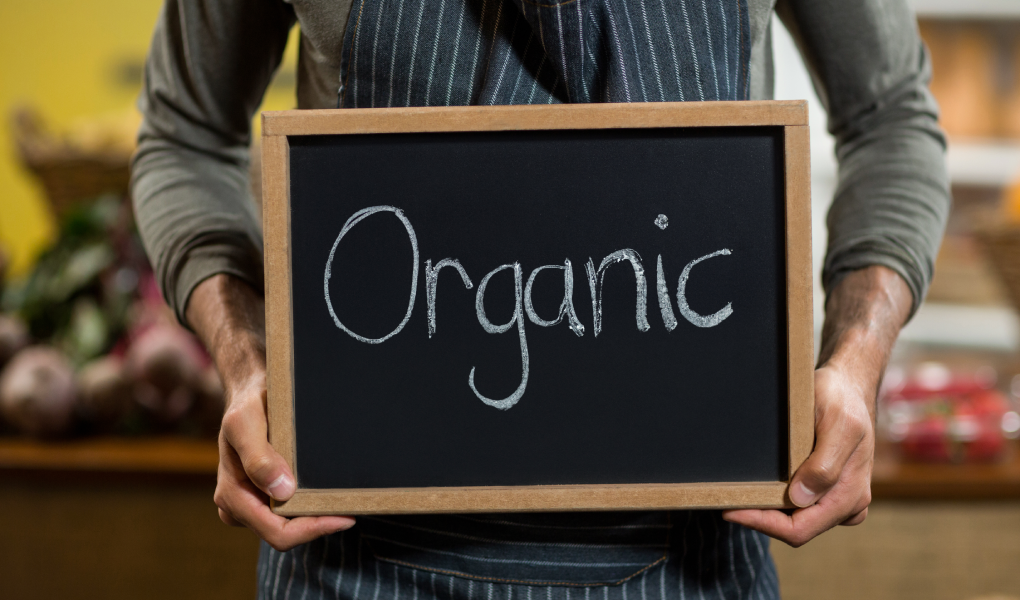
Organic refers to a method of food production that emphasizes environmental sustainability, natural inputs, and avoidance of synthetic chemicals.
Organic food standards vary by country, but common principles include:
- No synthetic pesticides or fertilizers: Organic crops are grown without chemical pesticides, herbicides, or synthetic fertilizers.
- Non-GMO: Organic foods are typically free from genetically modified organisms.
- Natural animal raising practices: Organic livestock are fed organic feed, have access to the outdoors, and are not given growth hormones or unnecessary antibiotics.
- Environmental stewardship: Organic farming promotes soil health, biodiversity, and sustainable water use.
Organic labels focus primarily on environmental and health aspects, not religious permissibility.
Key Differences Between Halal and Organic
| Feature | Halal | Organic |
|---|---|---|
| Definition | Permissible under Islamic law | Produced using natural and sustainable methods |
| Focus | Religious compliance, ethical slaughter, purity | Health, environment, chemical-free farming |
| Certification | Halal authorities (e.g., JAKIM, IFANCA) | Government or independent organic certifiers (e.g., USDA Organic, EU Organic) |
| Ingredients | Free from haram items like pork, alcohol, non-halal animal enzymes | Free from synthetic pesticides, GMOs, chemical additives |
| Scope | Ethical, spiritual, and dietary compliance | Health, environmental sustainability, quality |
Summary: Halal ensures a product is permissible for Muslims, while organic ensures the product is environmentally friendly, chemical-free, and healthy.
Can Food Be Both Halal and Organic?
Yes! Many products are both halal and organic, combining religious compliance with sustainable farming practices.
Examples include:
- Halal-certified organic chicken raised without antibiotics and processed according to halal slaughter rules.
- Organic dairy products made from cows fed organic feed and handled in a halal-compliant facility.
- Organic plant-based foods (fruits, vegetables, grains) that are naturally halal.
However, it is possible for a product to be:
- Organic but not halal: For example, a dish containing alcohol or non-halal gelatin may be organic but not permissible under Islamic law.
- Halal but not organic: Halal-certified meat or processed foods may be produced conventionally, using pesticides, GMOs, or non-organic feed.
This is why it’s important for consumers to understand both labels and what they guarantee.
Why Halal and Organic Labels Matter
1. Halal Labels
- Religious compliance: Ensures Muslims can eat without violating dietary laws.
- Ethical sourcing: Promotes humane treatment of animals and hygienic food handling.
- Trust: Certified halal brands provide transparency and accountability.
2. Organic Labels
- Health benefits: Organic foods are free from synthetic chemicals, potentially reducing exposure to toxins.
- Environmental impact: Organic farming promotes sustainability, soil health, and biodiversity.
- Animal welfare: Organic livestock are raised in more natural, humane conditions.
How to Verify Halal and Organic Certifications
For Halal:
- Look for certification from recognized authorities (e.g., JAKIM, IFANCA, MUIS).
- Check for a visible halal logo and certification number.
- Verify the certification online or through the certifying body.
For Organic:
- Look for government-approved organic logos (e.g., USDA Organic, EU Organic).
- Check for certification numbers and validity.
- Review ingredient lists for non-organic additives.
Tip: For products claiming both halal and organic, verify both certifications separately to ensure authenticity.
Red Flags to Watch Out For
- Vague labeling: Products claiming “natural” or “Muslim-friendly” without proper certification may not be halal or organic.
- Unrecognized logos: Fake or unofficial logos may indicate fraudulent labeling.
- Imported products without certification: Always check certification for international brands.
- Overly cheap prices: Genuine halal or organic foods often cost more due to production standards; extremely cheap products may be suspicious.
Choosing Between Halal and Organic
Sometimes, consumers may face a choice between halal and organic options. Here’s how to approach it:
- For religious observance: Halal should take priority. Avoid products that are non-halal, even if organic.
- For health-conscious choices: Organic is preferable when religious compliance is already ensured.
- For maximum benefit: Look for products that are both halal and organic. These combine religious compliance with health and environmental advantages.
Conclusion
Halal and organic labels serve different but complementary purposes. Halal ensures religious permissibility, ethical sourcing, and hygienic preparation, while organic emphasizes natural production, environmental sustainability, and chemical-free foods.
At Halal Edible, we recommend:
- Always checking for authentic certification for both halal and organic labels.
- Understanding the differences between these labels before making purchasing decisions.
- Choosing products that align with your faith, health goals, and ethical values.
By being informed, consumers can enjoy foods that are permissible, wholesome, and sustainable, reflecting both Islamic dietary principles and modern health-conscious lifestyles.