
Halal food is a critical part of daily life for Muslims around the world. It is not just about following dietary laws; it is also about consuming food that is clean, ethical, and permissible. Unfortunately, the rising demand for halal products has also led to cases of fake or misleading halal certifications. Consuming food with fake halal labels can compromise your faith, health, and trust in the food system.
At Halal Edible, we guide you on how to identify authentic halal labels, verify certifications, and make informed choices when buying halal products.
Why Fake Halal Labels Are a Concern
Fake halal labels pose multiple risks:
- Religious Violation: Muslims consuming such products unknowingly may breach halal dietary laws.
- Health Risks: Uncertified products may contain harmful ingredients, toxins, or unregulated additives.
- Loss of Trust: Fake labels undermine confidence in halal brands and certifications.
- Ethical Concerns: Mislabeling often hides unethical sourcing or non-halal slaughter practices.
Understanding how to spot fake halal labels is essential for ensuring both spiritual and physical well-being.
Common Signs of Fake Halal Labels
- No Certification Authority Mentioned
Authentic halal products always display the certifying body’s name, logo, and sometimes a certification number. If a label only says “halal” without specifying the authority, it may be fake. - Unrecognized or Suspicious Logos
Check whether the certification logo belongs to a recognized halal authority. Fake labels often use generic or unofficial symbols that look similar to real certifications. - Missing Expiry or Issue Dates
Halal certifications usually include expiry dates, showing the validity of the certification. Labels without dates may indicate a lack of authenticity. - Vague Claims
Labels that make vague claims such as “Halal Approved” or “Muslim-Friendly” without providing certification details should be approached with caution. - Inconsistent Packaging
Products with inconsistent or low-quality packaging, spelling errors, or blurry logos may be a sign of fraudulent labeling.
Recognized Halal Certification Bodies
Knowing legitimate halal authorities helps verify product authenticity. Some globally recognized organizations include:
- JAKIM (Malaysia) – Department of Islamic Development Malaysia
- HFA (USA) – Halal Food Authority
- MUIS (Singapore) – Islamic Religious Council
- IFANCA (USA) – Islamic Food and Nutrition Council of America
- HFA (UK) – Halal Food Authority
Always check the certifying authority’s website to confirm whether the product is listed as certified.
Steps to Verify a Halal Label
- Check the Certifying Body
Look up the certification body mentioned on the product. Most authorities maintain an online database of certified products. - Look for a Certification Number
Authentic halal certificates often come with a unique certification number. Use this number to cross-check on the certifying authority’s website. - Contact the Manufacturer
If you are unsure, reach out to the brand or manufacturer to ask for their halal certification details. Authentic companies will provide verifiable documentation. - Check Expiry Dates
Ensure the certification is still valid. Expired certificates do not guarantee halal compliance. - Check Ingredients
Even with a halal label, check the ingredients list for haram elements like:
- Pork derivatives
- Non-halal gelatin
- Alcohol-based flavorings
- Enzymes from non-halal sources
Red Flags in Halal Products
- Unusually Low Price: Halal-certified products often cost more due to strict compliance; extremely cheap options may be suspicious.
- Imported Products Without Certification: Imported goods claiming to be halal without official certification should be treated with caution.
- Homemade or Unpackaged Foods: Street vendors or small-scale producers may not have proper halal certification, even if they claim to serve halal food.
Tips for Safe Halal Shopping
- Prioritize Certified Brands: Purchase from brands with recognized halal certifications.
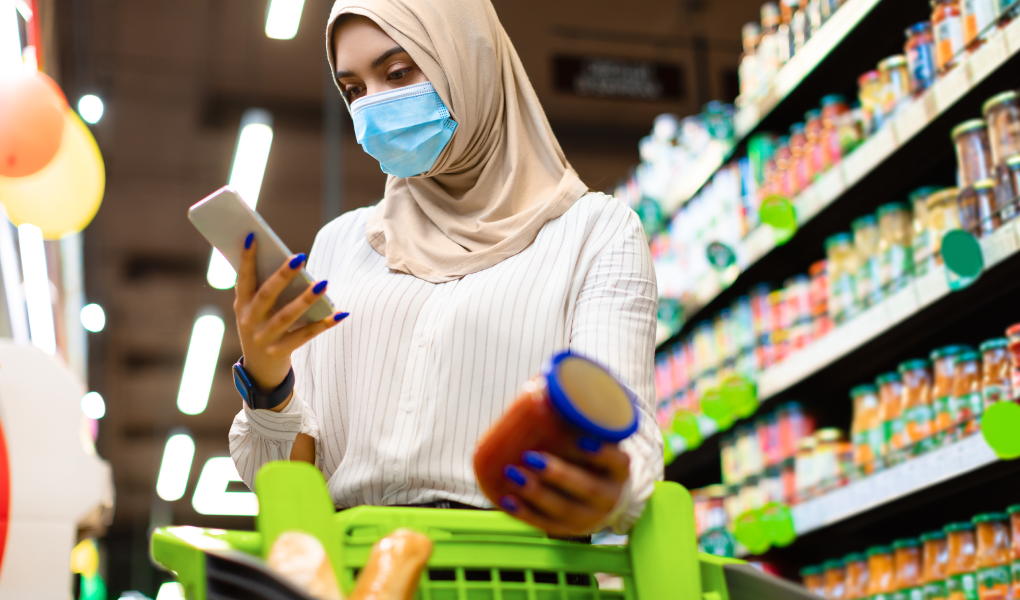
- Use Mobile Apps: Some apps allow users to scan products to verify halal status.
- Stay Updated: Certification standards and authority lists may change, so keep yourself informed.
- Avoid Doubtful Claims: Don’t rely solely on marketing terms like “halal-style” or “Muslim-friendly.”
- Educate Family and Community: Raise awareness about fake halal labels to prevent accidental consumption of non-halal products.
The Role of Consumers
Consumers play a critical role in ensuring halal integrity. By staying vigilant and informed:
- You promote ethical business practices by supporting certified brands.
- You protect your health and religious obligations.
- You encourage regulatory bodies to monitor and prevent fraudulent labeling.
Islam emphasizes careful consumption, and being mindful about halal certifications aligns with Islamic teachings.
Conclusion
Spotting fake halal labels is essential for anyone who wants to eat in accordance with Islamic principles. Authentic halal labels reflect compliance not only with religious laws but also with health, ethical, and quality standards.
At Halal Edible, we encourage Muslims to be vigilant, verify certifications, and prioritize products from recognized halal authorities. By doing so, you safeguard your faith, health, and integrity while supporting brands that uphold the values of halal and tayyib.
Remember, not all products that claim to be halal are truly halal, and taking a few extra steps to verify can make a significant difference in maintaining both your spiritual and physical well-being.