

In today’s packaged food market, ingredient lists can be long, complicated, and full of unfamiliar names. For health-conscious consumers and Muslims seeking halal foods, some ingredients may pose health risks, allergen concerns, or halal compliance issues. Recognizing these red-flag ingredients is essential for making safe and informed food choices.
At Halal Edible, we break down common ingredients that should raise caution, explain why they matter, and provide tips for identifying safe alternatives.
Why Certain Ingredients Are Red Flags
Not all ingredients are inherently harmful, but some require careful attention for the following reasons:
- Hidden Haram Sources: Ingredients derived from pork, non-halal animals, or alcohol can violate Islamic dietary laws.
- Allergenic Potential: Certain additives can trigger allergic reactions or sensitivities.
- Health Concerns: Excessive sugars, trans fats, artificial sweeteners, and preservatives may negatively affect health.
- Obscure Labeling: Some ingredients are listed under vague or chemical names, making it difficult for consumers to know their source or purpose.
Being aware of these red-flag ingredients helps protect your faith, health, and dietary choices.
Common Ingredients That Raise Red Flags
1. Gelatin
- Source: Usually derived from pork, beef, or fish.
- Red Flag: Pork gelatin is haram; even beef gelatin must come from halal-certified animals.
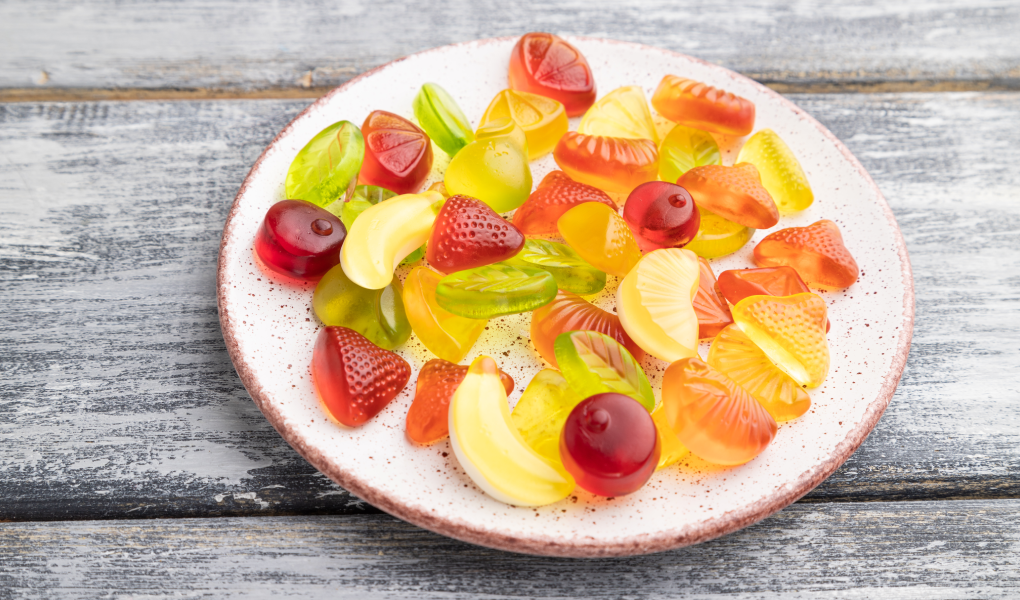
- Common Products: Marshmallows, gummy candies, yogurts, capsules, and desserts.
- Tip: Look for halal-certified gelatin or plant-based alternatives like agar-agar.
2. Alcohol or Alcohol-Based Extracts
- Source: Used in flavorings, vanilla extract, or some sauces.
- Red Flag: Alcohol is haram in Islam.
- Common Products: Bakery items, desserts, sauces, and beverages with “natural flavoring” that may contain alcohol.
- Tip: Verify halal certification and contact manufacturers if the extraction method is unclear.
3. Lard
- Source: Rendered pig fat.
- Red Flag: Pork-derived, strictly haram.
- Common Products: Processed baked goods, some pastries, instant noodles, and snack foods.
- Tip: Check labels carefully for hidden lard, hydrogenated fats, or “animal fat.”
4. Non-Halal Enzymes
- Source: Enzymes may come from microbial, plant, or animal sources.
- Red Flag: Animal-derived enzymes may be haram if not halal-certified.
- Common Products: Cheese, baked goods, and processed foods.
- Tip: Halal-certified enzymes are safe; otherwise, ask the manufacturer.
5. E-Numbers (Certain Additives)
Some E-numbers may hide non-halal sources:
- E120 (Carmine/Cochineal): Red coloring from insects.
- E441 (Gelatin): May come from pork or non-halal beef.
- E904 (Shellac): Coating from insects.
- E542 (Bone Phosphate): Derived from animal bones.
Tip: Cross-check E-numbers for halal status and prefer certified products.
6. Artificial Sweeteners
- Examples: Aspartame (E951), saccharin (E954), acesulfame K (E950).
- Red Flag: May have health implications if consumed excessively; some are controversial for children or sensitive individuals.
- Tip: Use sparingly and prefer natural sweeteners like stevia or date syrup.
7. Artificial Colors and Preservatives
- Examples: Tartrazine (E102), Sunset Yellow (E110), Sodium Benzoate (E211).
- Red Flag: May cause allergic reactions, hyperactivity in children, or digestive issues.
- Tip: Choose natural alternatives and check for plant-based or halal-certified sources.
8. MSG (Monosodium Glutamate, E621)
- Use: Flavor enhancer commonly added to savory processed foods.
- Red Flag: Some individuals are sensitive to MSG, which may cause headaches, sweating, or digestive discomfort.
- Tip: Look for “no added MSG” labels or use natural flavor enhancers like herbs and spices.
9. High-Fructose Corn Syrup and Refined Sugars
- Red Flag: Excessive sugars contribute to obesity, diabetes, and heart disease.
- Common Products: Sodas, candies, baked goods, and sauces.
- Tip: Opt for natural sweeteners like honey, coconut sugar, or dates.
10. Hydrogenated Oils and Trans Fats
- Red Flag: Linked to heart disease and poor cholesterol levels.
- Common Products: Margarine, processed snacks, and fried foods.
- Tip: Choose non-hydrogenated oils or natural fats like olive oil, coconut oil, or ghee from halal sources.
How to Identify Red-Flag Ingredients
- Read Labels Carefully: Look beyond marketing terms like “natural” or “healthy.”
- Know Common Hidden Names: Gelatin, lard, carmine, casein, rennet, and alcohol-based flavors.
- Check Halal Certification: Certified halal products reduce risk of hidden haram ingredients.
- Research E-Numbers: Identify additives that may be animal-derived or haram.
- Contact Manufacturers: If unsure about ingredient sources, ask for clarification.
Why Awareness Matters
Being aware of red-flag ingredients helps:
- Ensure Halal Compliance: Avoid forbidden substances and maintain religious observance.
- Protect Health: Minimize exposure to harmful chemicals, additives, or allergens.
- Make Informed Choices: Choose safer, higher-quality, and ethically sourced foods.
At Halal Edible, we emphasize that knowledge and vigilance are the best tools for consumers navigating a complex food market.
Tips for Safer Food Choices
- Prioritize Certified Halal Products: Halal certification ensures ingredients and processing comply with Islamic law.
- Choose Whole Foods: Fresh fruits, vegetables, grains, and halal meats minimize hidden additives.
- Educate Yourself on Labels: Learn E-numbers, chemical names, and common hidden haram ingredients.
- Support Transparent Brands: Purchase from companies that disclose sourcing and processing details.
- Avoid Overly Processed Foods: Simpler ingredient lists reduce the risk of hidden red-flag items.
Conclusion
Not all ingredients are created equal. Some additives, flavorings, and processed substances may pose health risks, contain allergens, or violate halal standards. Recognizing red-flag ingredients like gelatin, lard, alcohol, artificial additives, and certain E-numbers is crucial for maintaining both health and religious compliance.
At Halal Edible, we encourage consumers to:
- Stay vigilant about ingredient lists.
- Verify halal certification whenever possible.
- Opt for natural, whole foods and transparent brands.
By understanding which ingredients to avoid, you can make safer, healthier, and halal-compliant choices—ensuring that every meal aligns with both faith and well-being.