L-Cysteine in Bread – Is It Halal?
Introduction Bread is often thought of as one of the simplest and most natural foods in our diet. However, in the world of industrial baking, many breads, bagels, and pastries.



Introduction Bread is often thought of as one of the simplest and most natural foods in our diet. However, in the world of industrial baking, many breads, bagels, and pastries.
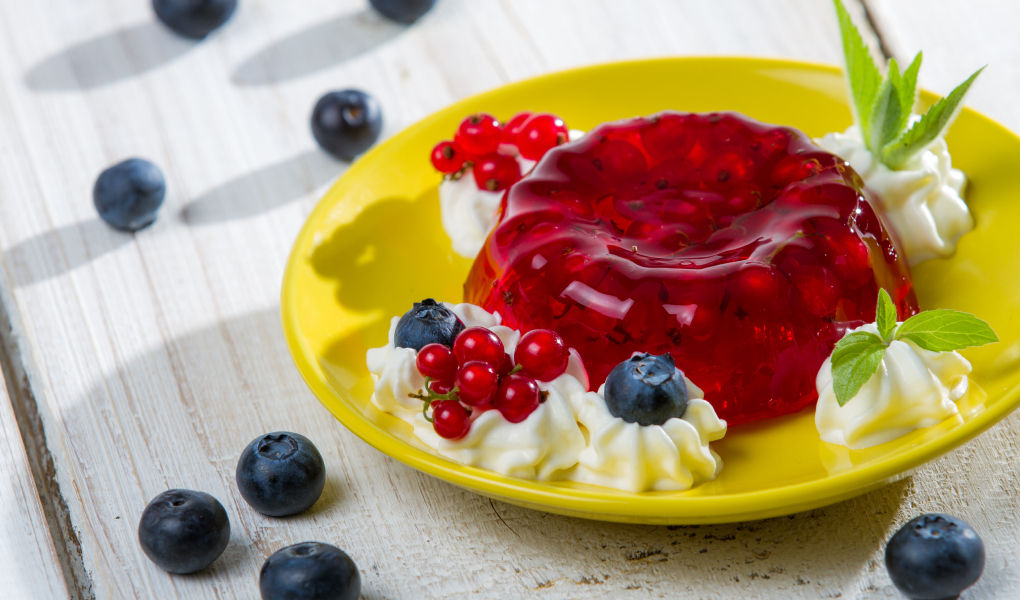
Gelatin is a common ingredient used in desserts, gummies, marshmallows, and other foods to provide a chewy texture and stability. However, for Muslims following a halal and tayyib diet, gelatin.
Introduction We all enjoy food that is savory and full of character, and the food industry has become incredibly adept at creating these experiences through the use of **flavor enhancers**..
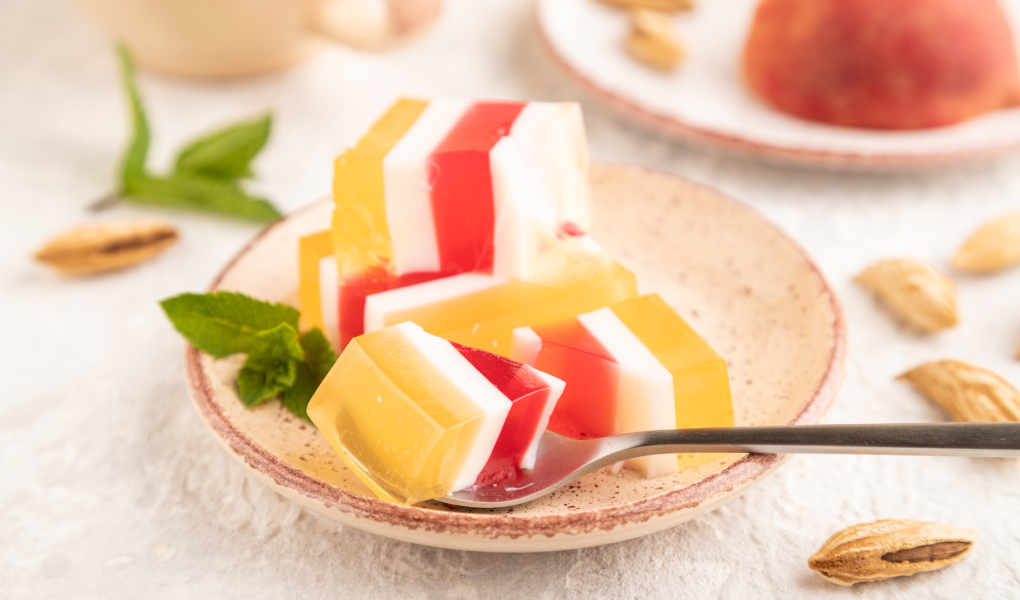
Gelatin is widely used in foods like gummies, marshmallows, jellies, and desserts. However, for Muslims following a halal and tayyib diet, gelatin can be problematic if sourced from pork or.
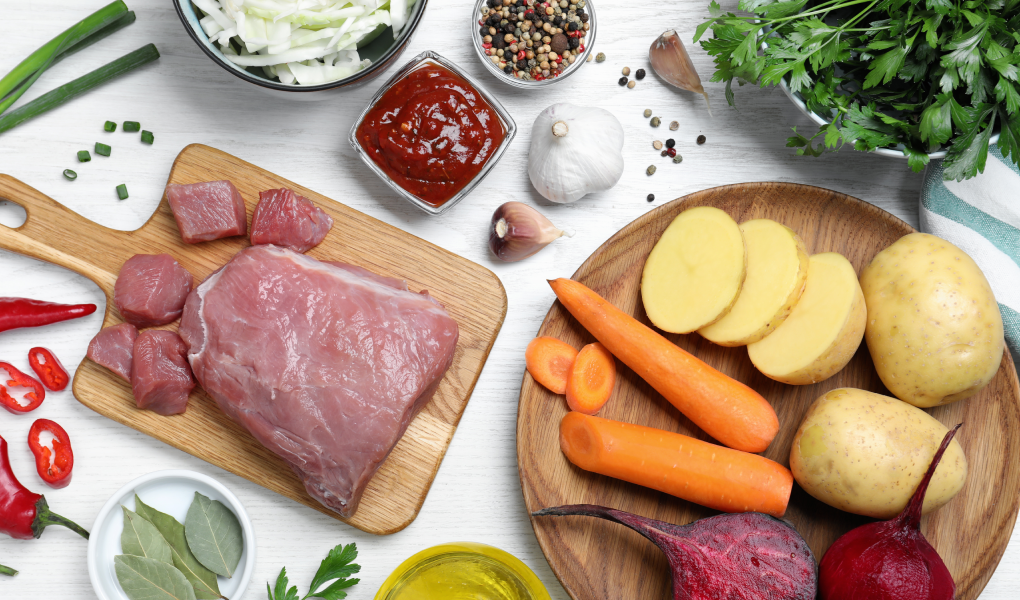
Introduction While most consumers know to avoid bacon, ham, and pork chops, the modern food industry has a long history of using pig-derived ingredients in ways that are far from.
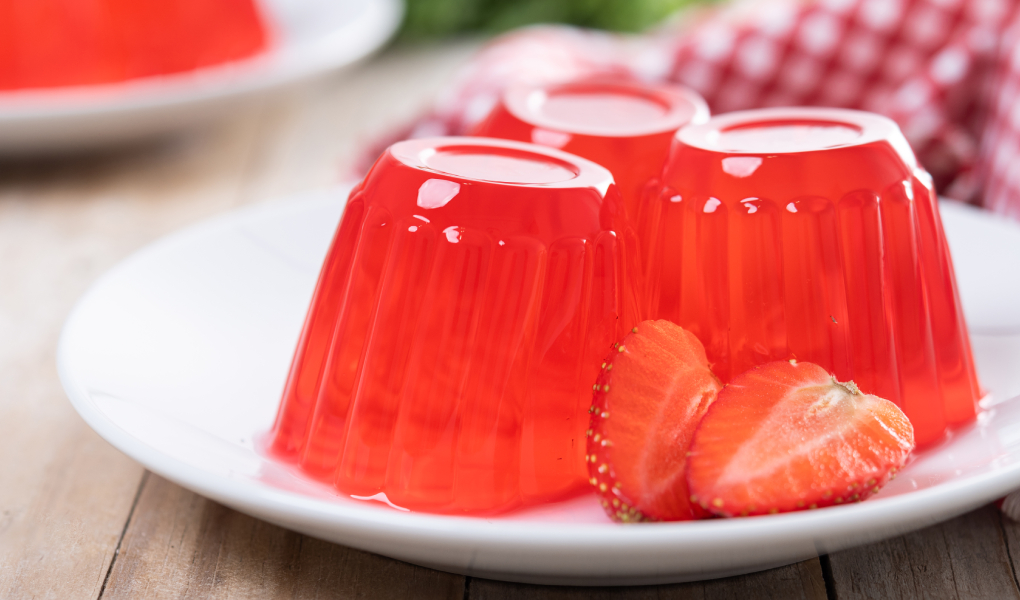
Gelatin is a widely used ingredient in both food and pharmaceutical products, but its presence can raise halal concerns. Derived from animal collagen—commonly from pork, beef, or fish—gelatin adds texture,.
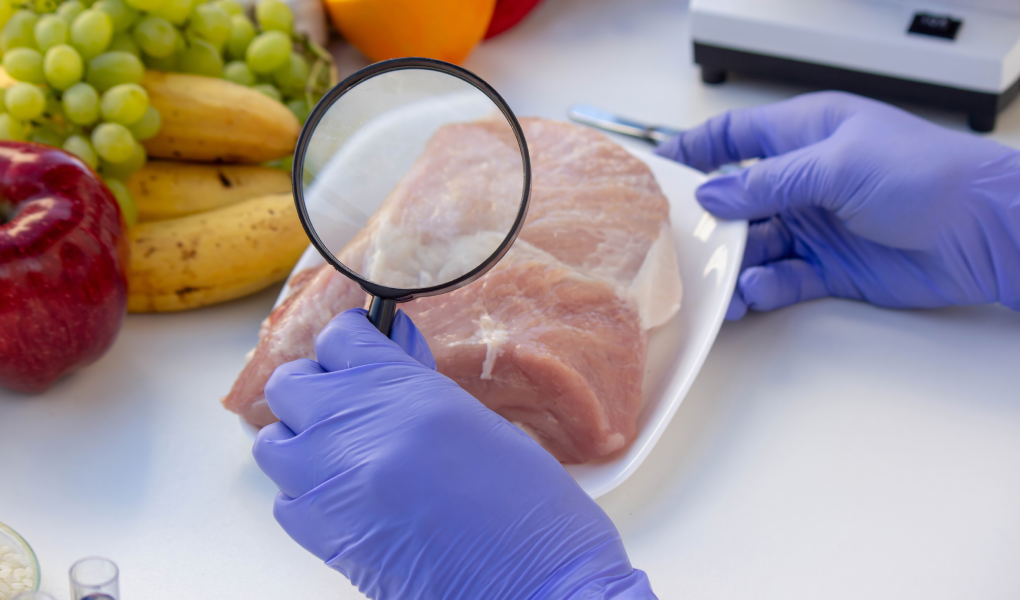
Maintaining a halal and tayyib diet requires more than just avoiding pork and alcohol. Many processed foods contain hidden or suspicious ingredients that may compromise halal compliance. For Muslims seeking.
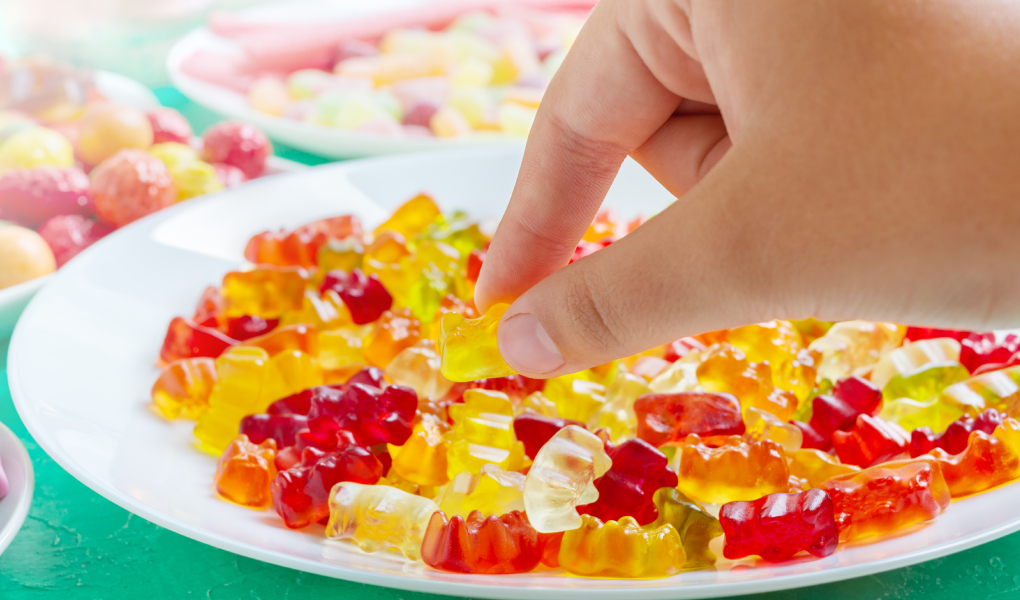
Vitamins and dietary supplements are an important part of maintaining a healthy lifestyle. However, for Muslims following a halal and tayyib diet, a common concern is whether the gelatin used.
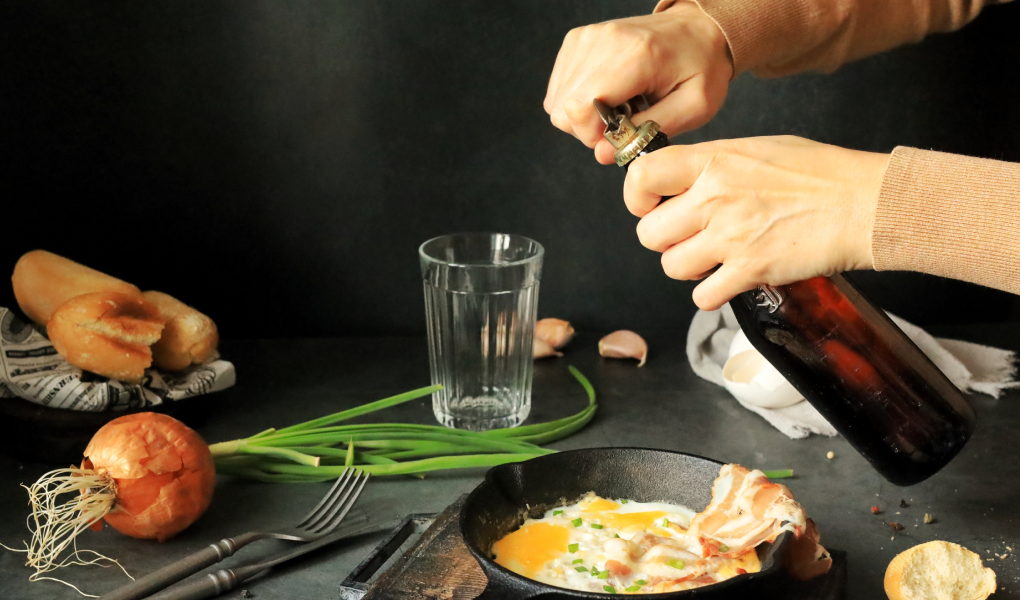
For Muslims following a halal diet, alcohol is strictly prohibited, whether consumed as a drink or present in food. But what happens when alcohol is used in cooking? Many recipes—especially.
In today’s world, processed and packaged foods often contain ingredients that many consumers don’t fully understand. Food emulsifiers are one such category—used in bread, ice cream, sauces, and many other.