
Vitamins and dietary supplements are an important part of maintaining a healthy lifestyle. However, for Muslims following a halal and tayyib diet, a common concern is whether the gelatin used in capsules and softgels is halal. Many vitamins use gelatin as a capsule material, but the source of gelatin can determine whether the supplement is permissible under Islamic law.
At Halal Edible, we explore what gelatin is, where it comes from, and how Muslims can ensure that the vitamins they take are halal and safe.
What Is Gelatin?
Gelatin is a protein derived from collagen, found in the skin, bones, and connective tissues of animals. It is commonly used in the pharmaceutical and food industries for:
- Encapsulating vitamins and supplements in softgels or hard capsules.
- Thickening and stabilizing foods such as marshmallows, gummies, and desserts.
- Providing texture in medicinal syrups and chewable tablets.
Key Fact: Gelatin itself does not have flavor or color, but its source determines whether it is halal, haram, or doubtful.
Common Sources of Gelatin in Vitamins
- Pork Gelatin
- Derived from pigs.
- Haram in Islam and must be avoided.
- Found in many standard softgel capsules unless otherwise specified.
- Non-Zabiha Beef Gelatin
- Comes from cows or other animals slaughtered non-compliantly with Islamic law.
- Not halal because the animals were not slaughtered according to zabiha requirements.
- Halal-Certified Gelatin
- Sourced from zabiha-slaughtered animals or plant-based alternatives.
- Verified by halal certification authorities to ensure permissibility.
- Fish Gelatin
- Made from fish skin or bones.
- Acceptable if properly processed and halal-certified.
- Vegetarian Gelatin (Plant-Based)
- Made from agar-agar, pectin, or carrageenan.
- Naturally halal and suitable for vegetarians.
How Gelatin Is Used in Vitamins
Gelatin is commonly used in:
- Softgel capsules: For vitamins like vitamin D, fish oil, and multivitamins.
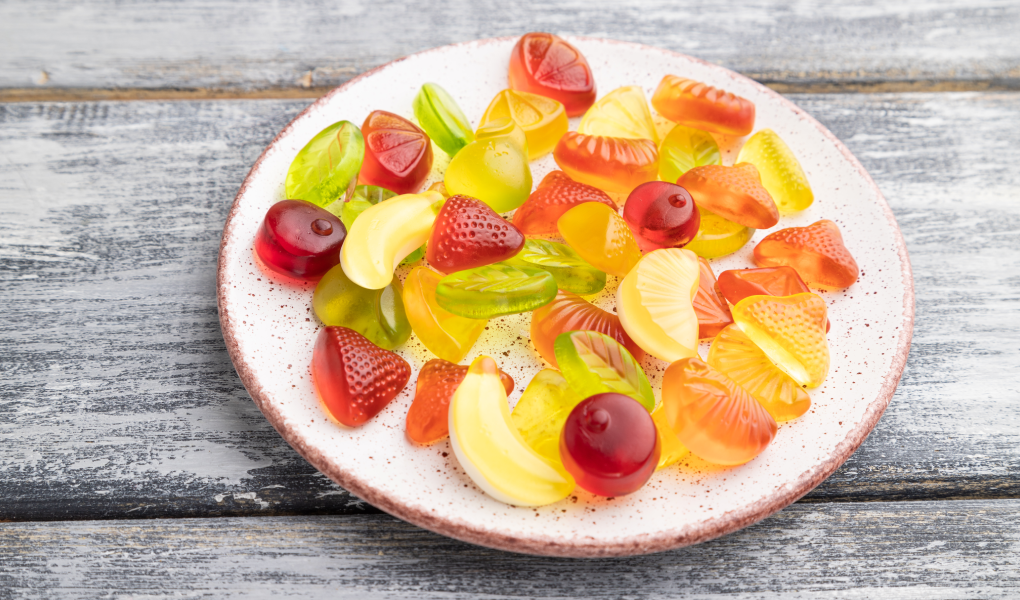
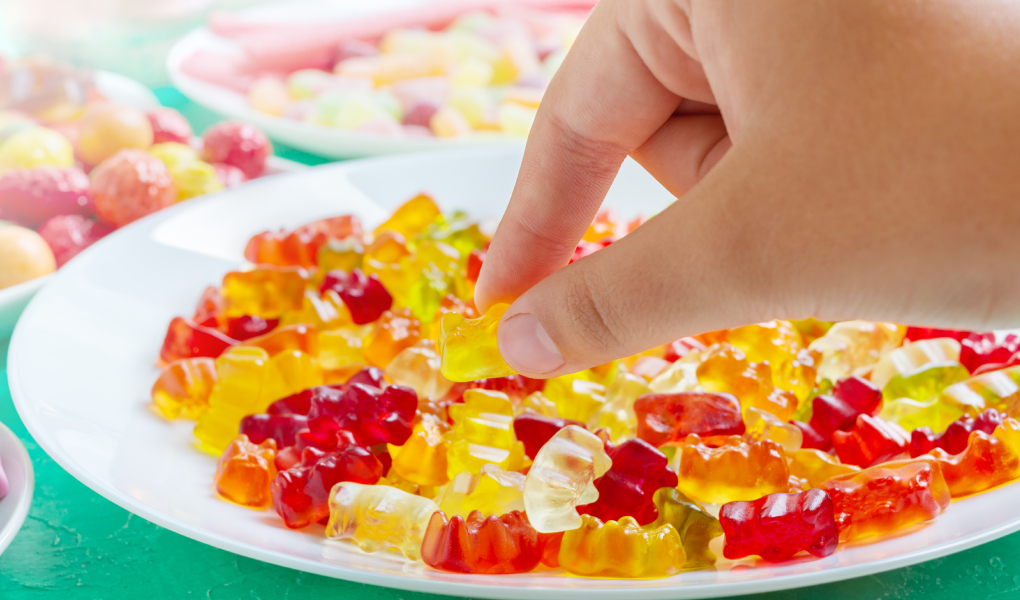
- Chewable vitamins: Gummies and pediatric vitamins often contain gelatin for texture.
- Coatings for tablets: To make swallowing easier or to mask taste.
Important Note: Even if gelatin is a small part of a capsule, its source determines the halal status of the entire supplement.
Why Regular Vitamins May Not Be Halal
Many mainstream vitamin brands use gelatin sourced from pork or non-zabiha beef due to cost and availability. This makes them haram for Muslims, even if the vitamins themselves contain beneficial nutrients.
Other concerns include:
- Capsule coatings: May contain alcohol-based solvents or flavorings.
- Cross-contamination: Manufacturing facilities may also process non-halal products.
- Label ambiguity: Gelatin is often listed without specifying its source.
How to Determine If Vitamins Are Halal
1. Look for Halal Certification
- Certified halal vitamins indicate that all gelatin sources, flavorings, and processing methods are halal.
- Reputable halal authorities verify the product from start to finish.
2. Check Ingredient Labels
- Look for gelatin derived from plants, fish, or zabiha animals.
- Avoid generic gelatin if the source is not specified.
- Some products indicate “vegetarian capsule” or “plant-based capsule”, which are halal.
3. Contact Manufacturers
- If labels are unclear, reach out to the company to ask about gelatin sources.
- Transparent manufacturers provide clear information about the halal status of their capsules.
4. Prefer Plant-Based or Fish Gelatin
- Agar-agar, pectin, and carrageenan are excellent alternatives for capsules.
- Fish gelatin is widely used in omega-3 softgels and is halal if sourced correctly.
Common Halal Vitamin Options
| Vitamin Type | Gelatin Source | Halal Status |
|---|---|---|
| Fish Oil Capsules | Fish gelatin | Halal if certified |
| Multivitamins | Plant-based capsules | Halal if certified |
| Vitamin D | Zabiha gelatin | Halal-certified brands |
| Chewable Vitamins | Agar-agar or pectin | Naturally halal |
| Probiotics | Plant-based capsule | Halal and vegetarian |
Health & Tayib Considerations
- Purity: Halal vitamins ensure the gelatin and other additives are free from haram substances.
- Ethical Sourcing: Halal certification verifies that animal sources comply with ethical and religious standards.
- Wholesome Consumption: Plant-based and fish gelatin aligns with the concept of tayyib, consuming wholesome and safe products.
Tips for Halal-Conscious Consumers
- Always check for halal certification before purchasing vitamins.
- Look for vegetarian or fish-based capsules if unsure about gelatin sources.
- Avoid capsules labeled simply as “gelatin” without specifying the source.
- Research brands to find those transparent about halal compliance.
- Educate yourself on ingredients commonly used in vitamin capsules, such as emulsifiers and colorings, which may also affect halal status.
Homemade or Alternative Solutions
- Some vitamins come in tablet form, which avoids gelatin altogether.
- Chewable gummies can be made at home with agar-agar and natural fruit flavors to ensure halal compliance.
- Powdered vitamins can be mixed into drinks without using gelatin capsules.
Conclusion
Gelatin in vitamins can be halal, haram, or doubtful depending on its source and processing. Pork or non-zabiha animal gelatin is haram, while plant-based, fish, or zabiha-certified gelatin is halal.
At Halal Edible, we recommend:
- Choosing halal-certified vitamin brands to ensure compliance.
- Preferring plant-based or fish gelatin capsules when available.
- Reading ingredient labels carefully and contacting manufacturers for clarity.
- Considering alternative forms like tablets, powders, or homemade supplements.
By taking these precautions, Muslims can maintain faith, health, and ethical consumption while benefiting from essential vitamins and supplements. Ensuring that gelatin in vitamins is halal allows you to support both your physical well-being and spiritual values.