
Introduction
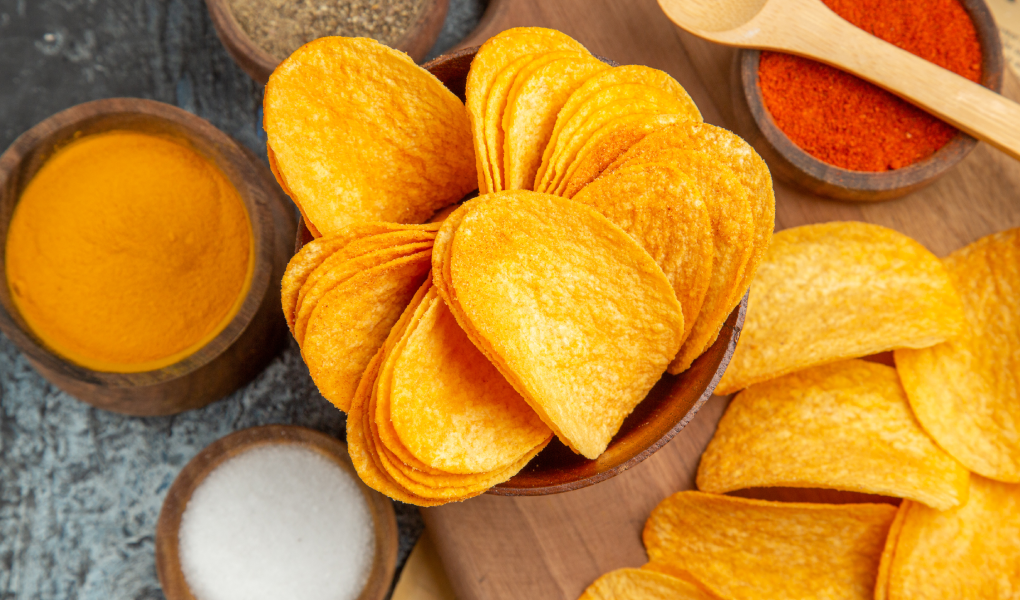
We all enjoy food that is savory and full of character, and the food industry has become incredibly adept at creating these experiences through the use of **flavor enhancers**. These additives are found in everything from chips and instant noodles to canned soups and frozen dinners. While they make our food taste better, they also present a challenge for the Halal consumer. Many of these enhancers are produced using complex processes that involve enzymes or substrates from non-Halal sources.
In this article, we will take a closer look at the most common flavor enhancers, such as **MSG**, **Disodium Inosinate**, and **Disodium Guanylate**, and explain the specific Halal concerns associated with each. Navigating these additives is an essential part of maintaining a pure and permissible diet in the 21st century.
The Story of MSG and Beyond
**Monosodium Glutamate (MSG)** is perhaps the most famous flavor enhancer. In its modern form, it is typically produced through the fermentation of starches or molasses using bacteria. On its own, MSG is generally considered Halal, provided the fermentation medium (the “food” for the bacteria) is also free from Haram substances. However, MSG is often used in combination with other enhancers like **Disodium Inosinate (E631)** and **Disodium Guanylate (E627)**. These two are frequently derived from animal sources, such as dried fish or meat extracts, making their Halal status dependent on the source animal and slaughter method.
Enzymes and the “Natural Flavor” Trap
Another area of concern is the use of enzymes in the production of flavorings. Some flavor enhancers are created by breaking down proteins using enzymes that may be derived from pigs (porcine) or non-Halal cows. Furthermore, the term **”Natural Flavors”** on a label is a broad category that can hide dozens of individual components, some of which may be animal-derived. Without Halal certification, it is impossible for a consumer to know the true origin of these complex mixtures. This is why seeking the Halal logo is the only way to ensure the total integrity of your savory snacks and pre-packaged meals.
Choosing Safer Alternatives
The best way to enjoy flavorful food while staying Halal is to use **natural, whole-food seasonings**. Spices, herbs, garlic, onions, and lemon juice provide incredible flavor without any of the hidden concerns of industrial enhancers. When you do buy processed foods, prioritize those with **reputable Halal certification**. These products have undergone rigorous auditing to ensure that every enhancer and flavoring is derived from permissible and wholesome sources, allowing you to snack and dine with confidence and peace of mind.
Conclusion
The world of food flavorings is complex and often opaque, but as enlightened consumers, we can navigate it successfully. By understanding the potential pitfalls of common flavor enhancers and by choosing certified Halal options, we can enjoy delicious food that is both pure for the body and pleasing to the spirit. Our daily choices are an opportunity to put our values into practice, ensuring that every bite we take is a step toward a more mindful and ethical lifestyle. Stay informed, favor the natural, and always seek the Halal mark of excellence. Your commitment to purity is a blessing for yourself and your family. Reach for the best, every single time.