
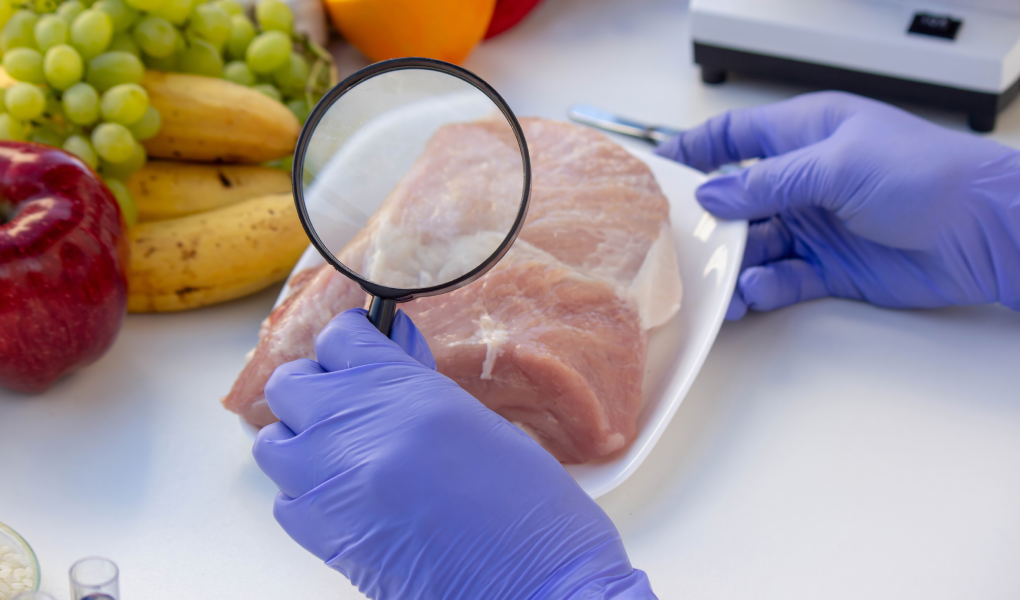
Maintaining a halal and tayyib diet requires more than just avoiding pork and alcohol. Many processed foods contain hidden or suspicious ingredients that may compromise halal compliance. For Muslims seeking ethical and wholesome eating, learning to identify suspicious ingredients is essential.
At Halal Edible, we provide a practical guide to understanding ingredient labels, recognizing red flags, and ensuring your meals remain truly halal.
What Are Suspicious Ingredients?
Suspicious ingredients are components in food that may:
- Contain alcohol or ethanol
- Be derived from non-halal animal sources
- Be chemically processed with haram substances
- Have ambiguous or vague labeling that conceals their origin
These ingredients can appear in processed foods, sauces, flavorings, baked goods, beverages, and supplements, making vigilance crucial.
Common Categories of Suspicious Ingredients
1. Animal-Derived Ingredients
Some ingredients come from animals that may not be halal, including:
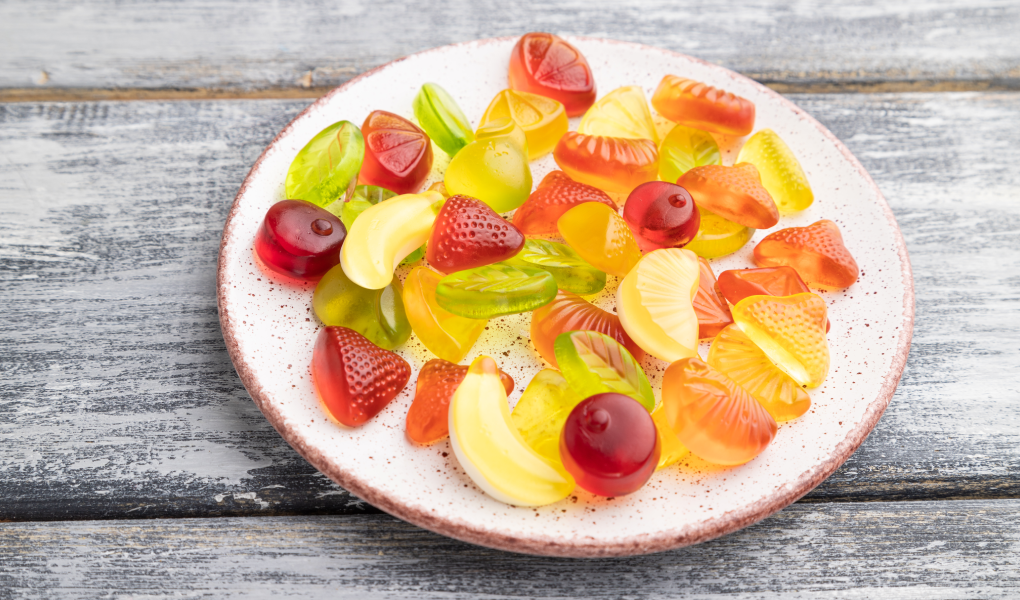
- Gelatin: Often from pork or non-halal slaughtered animals; used in candies, marshmallows, desserts, and capsules.
- Lard: Pig fat used in pastries, baked goods, and processed snacks.
- Rennet: Animal-derived enzyme used in cheese; non-halal if from non-zabiha animals.
- Carmine / Cochineal: Red coloring derived from insects; while not alcohol-based, some scholars advise caution.
Tip: Look for halal-certified gelatin or plant-based alternatives.
2. Alcohol-Based Ingredients
- Vanilla Extract: Traditional versions use ethanol.
- Rum, Brandy, or Wine Extracts: Found in desserts and chocolates.
- Flavored Syrups: Some contain alcohol as a solvent.
Even small amounts of alcohol can make a food haram, as cooking does not fully remove it.
3. Artificial or Vague Flavorings
Ingredients labeled as “natural flavors”, “artificial flavors”, or “flavor extracts” may contain:
- Alcohol
- Non-halal animal derivatives
- Chemicals processed from haram sources
Tip: Always check the manufacturer’s website or halal certification to clarify ambiguous flavors.
4. Emulsifiers, Stabilizers, and Additives
Some additives may be derived from non-halal sources:
- Mono- and Diglycerides (E471): Can be plant or animal-based.
- Glycerin (E422): Can be derived from non-halal animals.
- L-Cysteine: Often from human hair or poultry feathers.
Red flag: When the source is unspecified, consider it suspicious unless halal-certified.
5. Fermented or Processed Ingredients
- Soy Sauce: Traditional brewing may use alcohol.
- Vinegars: Wine-based vinegars are permissible if fully fermented, but flavored blends may contain alcohol.
- Fermented Sauces and Pastes: Check for added alcohol or non-halal preservatives.
How to Identify Suspicious Ingredients
1. Read Ingredient Labels Thoroughly
- Avoid vague terms like “natural flavors” or “emulsifiers” without origin clarification.
- Check for E-numbers and research their sources.
2. Recognize Common Red Flags
- Animal-derived additives: Gelatin, rennet, lard, E471, E422, L-cysteine
- Alcohol-based ingredients: Vanilla extract, rum, brandy, wine
- Unclear “flavors” or “aromas” with no source listed
3. Look for Halal Certification
- Halal-certified products confirm that ingredients, processing, and additives are permissible.
- Certification from trusted authorities reduces guesswork.
4. Research Unfamiliar Ingredients
- When in doubt, google the ingredient, check halal databases, or contact manufacturers.
- Example: Polysorbate 60 is a surfactant used in ice cream; it can be plant or animal-derived.
5. Avoid Ambiguous Products
- If the origin of an ingredient is unclear and uncertified, it’s safer to avoid it.
- Prioritize whole, minimally processed foods to reduce risk.
Tips for Halal-Conscious Shopping
- Choose Fresh and Whole Foods: Fruits, vegetables, grains, nuts, and legumes are naturally halal.
- Check Labels for Hidden Additives: Sauces, seasonings, baked goods, and processed snacks are high-risk categories.
- Use Halal Alternatives: Plant-based gelatin, alcohol-free extracts, and halal-certified emulsifiers.
- Educate Yourself About E-Numbers: Knowing common additives helps identify suspicious ingredients quickly.
- Prepare Food at Home When Possible: Homemade meals allow full control over ingredients.
Examples of Suspicious Ingredients in Common Foods
| Food Category | Suspicious Ingredient | Halal Concern | Halal Alternative |
|---|---|---|---|
| Candies & Gummies | Gelatin | Often pork-derived | Plant-based gelatin |
| Pastries & Cakes | Lard | Pork fat | Butter or vegetable oil |
| Cheese | Rennet | Non-zabiha animal enzyme | Microbial or halal rennet |
| Baked Goods | E471 | Can be animal-based | Plant-derived E471 |
| Desserts | Alcohol-based flavorings | Vanilla, rum extract | Alcohol-free extracts |
| Sauces & Marinades | Soy sauce with alcohol | Alcohol from fermentation | Halal-certified soy sauce |
Why Identifying Suspicious Ingredients Matters
- Spiritual Compliance: Upholds halal dietary laws in all aspects, not just obvious haram items.
- Health Consciousness: Minimally processed, clearly sourced ingredients are healthier.
- Tayyib Principles: Ensures food is wholesome, ethical, and safe.
- Family & Community Safety: Protects children, guests, and family members from hidden haram substances.
Summary of Key Points
- Suspicious ingredients can be animal-derived, alcohol-based, or vaguely labeled.
- Always read labels carefully and research unclear additives.
- Halal certification is the most reliable way to verify ingredients.
- Prefer fresh, whole, and minimally processed foods to minimize risk.
- Be proactive: contact manufacturers or consult halal databases if in doubt.
Conclusion
For Muslims seeking a halal and tayyib diet, identifying suspicious ingredients is a crucial skill. Ingredients like gelatin, lard, alcohol-based extracts, emulsifiers, and vague flavorings can compromise halal compliance if not properly verified.
At Halal Edible, we emphasize:
- Being vigilant about ingredient labels
- Choosing halal-certified products whenever possible
- Using wholesome, minimally processed alternatives
- Incorporating Sunnah and tayyib principles in everyday meals
By understanding and identifying suspicious ingredients, Muslims can confidently enjoy food that is nutritious, flavorful, halal, and ethically sound, ensuring every bite aligns with faith and wellness.