
Introduction
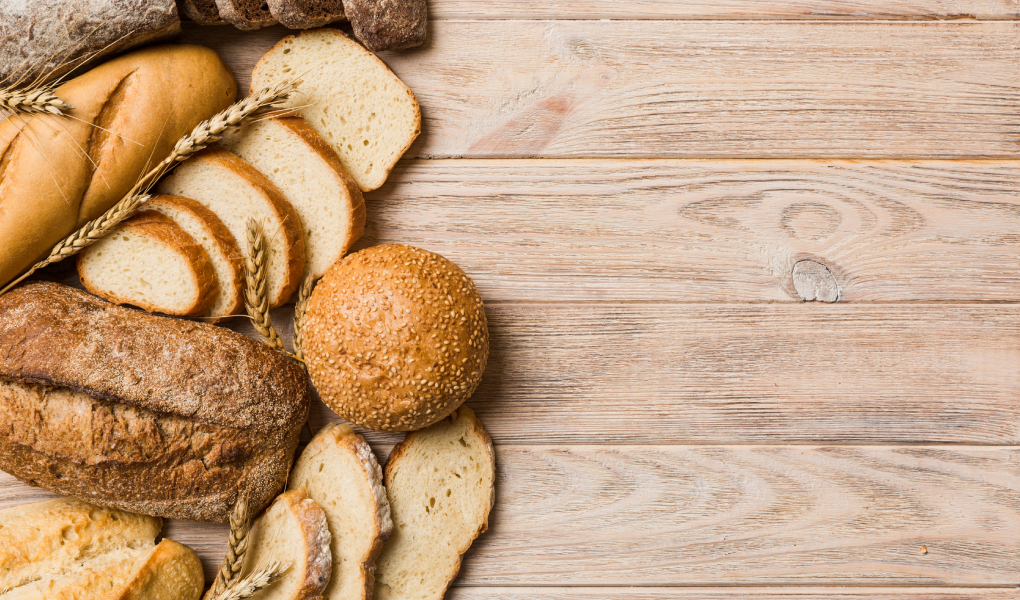
Bread is often thought of as one of the simplest and most natural foods in our diet. However, in the world of industrial baking, many breads, bagels, and pastries contain a hidden additive known as **L-Cysteine**. Used as a “dough conditioner,” it helps to soften the dough and speed up the baking process in high-volume commercial bakeries. For the Halal-conscious consumer, L-Cysteine is particularly controversial because of its most common and disturbing sources: human hair and animal feathers.
In this article, we will examine why L-Cysteine is used, the ethical and religious concerns regarding its sources, and how you can ensure that the bread you bring home to your family is truly Halal and wholesome.
The Sources of L-Cysteine
L-Cysteine is an amino acid that can be produced in several ways. Historically, the cheapest and most common method involved extracting it from **human hair** (often collected from barber shops in China) or **duck and chicken feathers**. In Islam, the consumption of any part of the human body is strictly forbidden (Haram), and ingredients derived from feathers are only permissible if the bird was slaughtered according to Halal rules. Because commercial L-Cysteine is often a mixture of these sources, it is considered highly problematic. Fortunately, better alternatives exist, including **synthetically produced L-Cysteine** and **fermentation-based methods** that do not use animal or human products.
The Halal Ruling on Human Hair
There is no debate among Islamic scholars regarding L-Cysteine derived from human hair: it is **unanimously forbidden**. The human body is honored and sacred, and using its parts as a food additive is a direct violation of this dignity. This is why many Halal certification bodies have strict bans on L-Cysteine unless the manufacturer can provide a certificate of analysis proving it is from a synthetic or microbial source. This level of oversight is essential for protecting consumers from unwittingly consuming Haram substances in their daily bread.
Finding Halal Bread
To ensure your bread is free from problematic L-Cysteine, follow these simple tips:
- Choose Certified Halal Brands: Many major bakeries in Muslim communities and some mainstream brands now carry Halal certification, which guarantees the source of all conditioners and enzymes.
- Look for “No Dough Conditioners”: Artisan breads and high-quality sourdoughs often avoid these additives altogether, relying instead on time and natural fermentation. These are generally the safest and most wholesome options.
- Contact the Manufacturer: If L-Cysteine is listed on a non-certified product, don’t hesitate to ask the company for the source. Reputable companies will be able to tell you if they use synthetic or animal-based L-Cysteine.
Conclusion
The issue of L-Cysteine in bread is a reminder that even the most basic foods in our modern world can have hidden complexities. By staying informed and choosing bread made with integrity, we can uphold the sacred nature of our diet and respect the dignity of the human body. Every loaf of bread is an opportunity to choose what is pure and Tayyib for ourselves and our loved ones. As informed consumers, we have the power to demand better, more ethical ingredients from the food industry. Stay vigilant, choose wisely, and let your daily bread be a source of blessing and health. Always prioritize Halal-certified options.