Introduction
In today’s globalized food industry, a simple piece of meat or a box of cookies might pass through dozens of countries and hundreds of hands before it reaches your plate. For a Muslim consumer, this raises a critical question: How can you be sure it’s truly Halal? In a world of complex supply chains, hidden ingredients, and industrial processing, the word of a salesperson or a generic “Halal” sticker is often not enough. This is where Halal Certification comes in—a rigorous system of independent auditing and verification that serves as the bridge between the producer and the believer.
Halal certification is not just a commercial label; it is a guarantee of spiritual and physical integrity. In this article, we will explore why certification is more important than ever in the 21st century. We will look at how certification bodies work, the role they play in guaranteeing authenticity, and how they help build a global ecosystem of trust, quality, and social responsibility. For the modern Muslim, understanding the value of a reputable certificate is the key to navigating the modern grocery store with confidence and peace of mind.
Guaranteeing Authenticity in a Global Supply Chain
The modern supply chain is incredibly opaque. A “Halal” chicken nugget might contain breading made in one country, spices from another, and emulsifiers from a third. Without professional oversight, it is nearly impossible for a consumer to know if all these components are permissible. Halal certification bodies (like HMC, JAKIM, or IFANCA) trace every single ingredient back to its source. They don’t just check the meat; they check the vitamins in the feed, the cleaning chemicals used on the machines, and the lubricants in the packaging line. This level of forensic auditing ensures that “Halal” actually means Halal in every sense of the word.
The Role of Independent Auditing and Verification
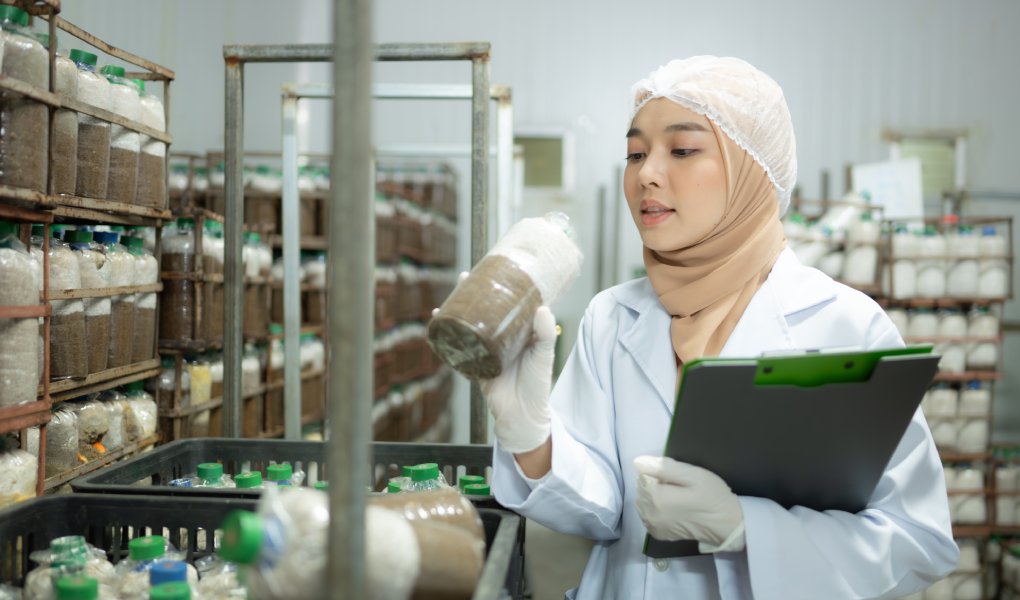
The core of Halal certification is independent verification. A company cannot simply declare itself Halal; it must be audited by a third party. This process involves regular onsite inspections, review of documentation, and sometimes even DNA testing of products. Inspectors are trained in both food science and Islamic jurisprudence, ensuring that the facility meets national health standards as well as religious ones. This external accountability prevents companies from “cutting corners” and ensures that the standards are maintained consistently over time.
Building Consumer Trust and Confidence
For the Muslim community, the presence of a recognized Halal logo is a powerful symbol of trust. It removes the burden of doubt from the individual. Instead of having to spend hours calling manufacturers and researching E-numbers, the consumer can rely on the expertise of the certifying body. This peace of mind is invaluable, especially in non-Muslim majority countries where Halal options may be limited. Trust in the certificate allows the community to participate fully in the modern economy without compromising their religious values.
Promoting Ethical and Social Responsibility
Reputable Halal certification bodies are increasingly incorporating Tayyib (wholesomeness) standards into their audits. This means looking at animal welfare, environmental impact, and fair labor practices. By choosing certified Halal products, consumers are directly supporting businesses that are held to a higher ethical standard. This creates a “virtuous cycle” where the demand for Halal drives improvements in the entire food industry, promoting justice and compassion for animals, workers, and the planet.
Conclusion
Halal certification is much more than a stamp on a package; it is the safeguard of the Ummah’s dietary integrity. It provides the transparency, accountability, and expertise needed to survive in an industrial food world. By supporting certified brands and understanding the work of certification bodies, we ensure that our food is not only edible but truly lawful and pure. In an age of uncertainty, Halal certification provides the clarity and confidence we need to live our faith every single day.