
Introduction
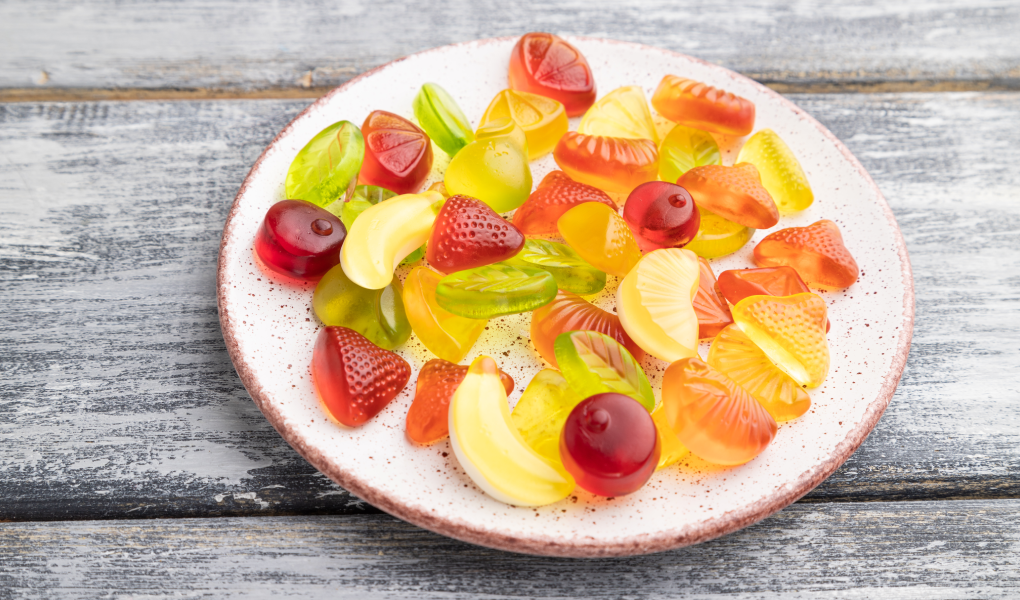
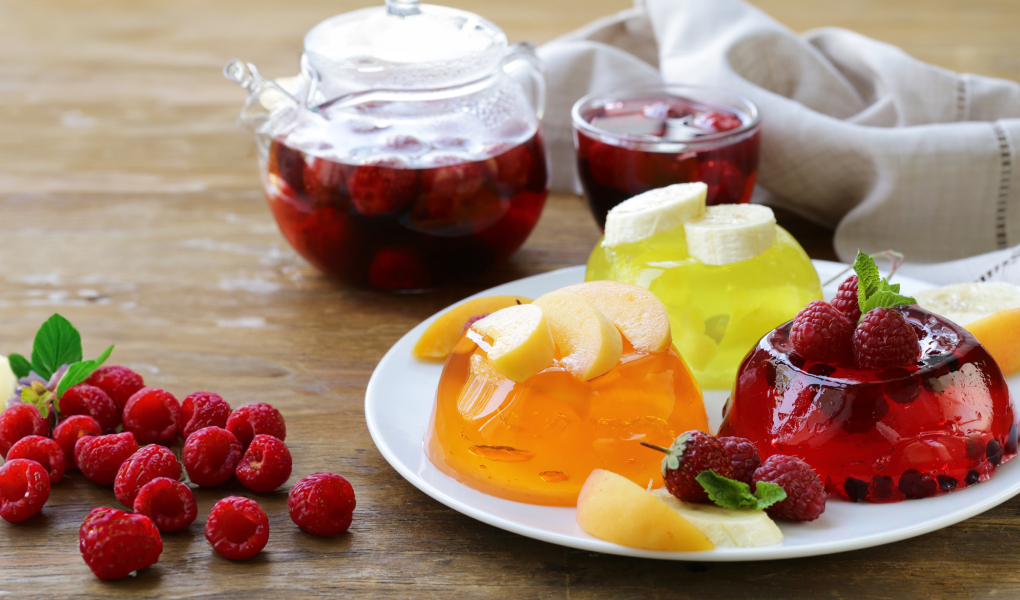
Gelatin is one of the most common and controversial ingredients in the food industry. Found in everything from candy and desserts to vitamins and pharmaceutical capsules, it is prized for its unique gelling properties. However, for Muslims, gelatin is often a primary source of concern, as its origins are frequently animal-based and non-compliant with Halal requirements.
Understanding why gelatin is often not Halal and how to find permissible alternatives is essential for maintaining a Halal diet. In this article, we will delve into the production process of gelatin, the sources from which it is derived, and the reasons why it remains a major challenge for the Halal-conscious consumer.
The Sources of Gelatin
Gelatin is a protein derived from the collagen found in the bones, skin, and connective tissues of animals. In the global food industry, the two most common sources of gelatin are **pigs (porcine)** and **cows (bovine)**. Porcine gelatin is strictly Haram and is never permissible for Halal consumption. Bovine gelatin, while theoretically permissible, must come from a cow that was slaughtered according to Islamic (Halal) rites. Because the majority of gelatin produced in the West comes from non-Halal slaughtered cattle or pigs, most “regular” gelatin is considered non-Halal.
The Process of Istihalah (Transformation)
There is a theological debate regarding the concept of **Istihalah**, or the complete transformation of a substance. Some scholars argue that the chemical process of turning bones and skin into gelatin involves a complete change in state, potentially making even porcine-derived gelatin permissible. However, the majority of modern Halal certification bodies and scholars reject this view for gelatin, arguing that the chemical structure remains too close to its source and that the initial impurity (Haram animal) remains an issue. Therefore, the prevailing standard is that the source animal must be Halal.
Halal and Vegan Alternatives
Fortunately, the demand for Halal and plant-based foods has led to a wider availability of gelatin alternatives. **Halal-certified bovine gelatin** is becoming more common as producers cater to Muslim markets. Additionally, plant-based gelling agents like **Agar Agar** (from seaweed), **Pectin** (from fruit), and **Carrageenan** provide excellent alternatives for use in cooking and manufacturing without any of the Halal concerns associated with animal gelatin.
Conclusion
Gelatin remains a complex ingredient that requires careful attention. Because its origins are often shrouded in industrial processes, looking for Halal certification or choosing plant-based alternatives is the most reliable way to ensure your food is permissible. By staying informed and making conscious choices, you can enjoy your favorite treats without compromising your values. The availability of Halal options is a testament to the power of the consumer to drive positive change in the food industry. Always check the label, stay vigilant, and honor your commitment to a pure and wholesome life.