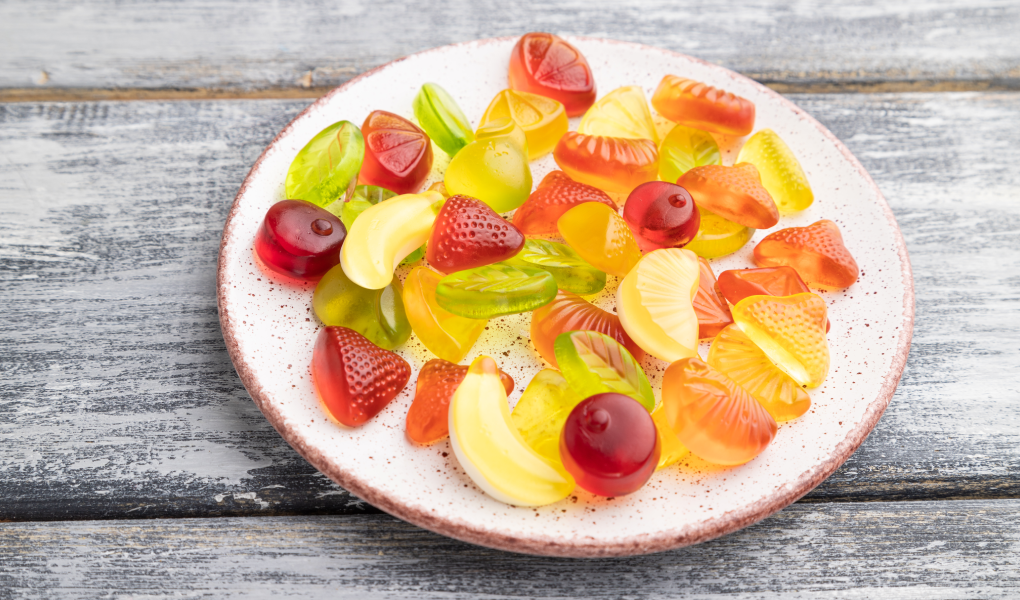

Gelatin is one of the most common ingredients in gummies, marshmallows, desserts, and capsules, yet many people are unaware of its origin. For Muslims following a halal and tayyib diet, understanding where gelatin comes from is crucial because not all gelatin is permissible.
At Halal Edible, we explore what gelatin is made from, how it’s processed, its uses in food, and halal alternatives so that you can make informed choices about your diet.
What Is Gelatin?
Gelatin is a protein derived from collagen, which is a structural protein found in animal skin, bones, and connective tissues. It is flavorless, colorless, and odorless, making it ideal for a wide range of food and pharmaceutical applications.
Key Characteristics:
- Forms a gel-like texture when dissolved in hot water and cooled.
- Adds elasticity and chewiness to candies and desserts.
- Helps stabilize foams and emulsions in foods like marshmallows and mousse.
Common Sources of Gelatin
- Pork (Swine) Gelatin
- Derived from pig skin, bones, and connective tissue.
- Widely used in commercial food production because it is cheap and versatile.
- Halal Concern: Gelatin from pigs is haram and must be avoided.
- Beef (Bovine) Gelatin
- Made from cow bones, skin, and ligaments.
- Halal if sourced from zabiha-slaughtered cattle.
- Often found in gummies, marshmallows, gelatin desserts, and capsules.
- Fish Gelatin
- Derived from fish skin and bones, usually from cold-water fish.
- Naturally halal, as long as the fish is permissible.
- Used in specialty desserts and halal-certified products.
- Other Animal Sources
- Sometimes gelatin comes from other mammals like goats or sheep.
- Halal compliance depends on whether the animal was slaughtered according to Islamic law.
How Gelatin Is Made
The production of gelatin involves several steps:
- Preparation of Raw Material:
- Bones, skin, or connective tissue are cleaned and sorted.
- Pretreatment:
- Acid or alkaline treatment removes minerals and non-collagen proteins.
- Extraction:
- Collagen is extracted using hot water or steam.
- Filtration and Purification:
- Impurities are removed to achieve a clear solution.
- Concentration and Drying:
- The solution is concentrated and dried into powder, sheets, or granules.
Note: Even after processing, the source of gelatin remains an important halal consideration.
Uses of Gelatin in Food Products
Gelatin is highly versatile and used in a variety of foods:
- Gummies and Candies: Provides chewiness and elasticity.
- Marshmallows: Stabilizes the foam structure.
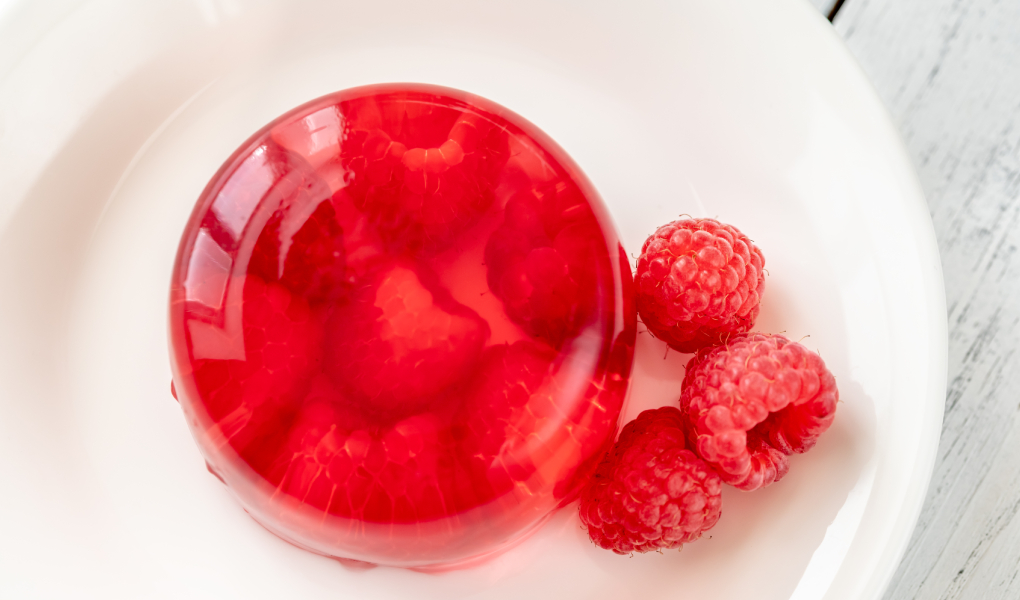
- Jellies and Desserts: Gives a smooth gel texture.
- Yogurts and Puddings: Acts as a thickening and stabilizing agent.
- Ice Cream and Mousse: Improves texture and prevents crystallization.
- Capsules and Supplements: Used in softgel capsules for vitamins and medications.
Halal Considerations
- Pork-Based Gelatin:
- Always haram, even in trace amounts.
- Common in commercial sweets, marshmallows, and capsules.
- Non-Zabiha Beef Gelatin:
- Halal only if the cattle were slaughtered according to Islamic law.
- Otherwise, considered haram.
- Fish Gelatin:
- Generally halal if the fish is permissible.
- Often used in halal-certified gummies and desserts.
- Reading Labels:
- Look for terms like “gelatin (bovine, porcine, fish), gelatinized, or hydrolyzed collagen.”
- Choose halal-certified products to ensure compliance.
Health Aspects of Gelatin
- Rich in Protein: Provides amino acids like glycine and proline.
- Supports Joint and Skin Health: Helps in collagen formation.
- Weight Management: Low in calories and fat.
- Digestive Health: Can improve gut lining and aid digestion.
Halal Tip: While gelatin has health benefits, consuming it from halal sources is essential.
Halal Alternatives to Gelatin
1. Pectin
- Derived from fruit skins like apples and citrus.
- Used in jams, jellies, and gummies.
- Naturally halal and provides a firm gel.
2. Agar-Agar
- Made from red algae, plant-based and vegan-friendly.
- Can replace gelatin in desserts, puddings, and vegan recipes.
- Sets at room temperature and is heat-stable.
3. Carrageenan
- Extracted from seaweed.
- Commonly used in dairy products, chocolate, and puddings.
- Provides thickness and gelling properties without animal products.
4. Tapioca and Cornstarch
- Used as thickening agents in sauces, desserts, and puddings.
- Plant-based and halal.
Tips for Halal Consumers
- Check Product Labels: Identify the source of gelatin and ensure halal certification.
- Choose Plant-Based Substitutes: Pectin, agar-agar, and carrageenan are safe and versatile.
- Use Halal-Certified Supplements: For vitamins and softgel capsules containing gelatin.
- Ask Manufacturers: When in doubt, contact brands for information on gelatin sources.
- Homemade Options: Make gummy candies or desserts using pectin or agar-agar for complete halal control.
Conclusion
Gelatin is a common ingredient made from animal collagen, with sources including pork, beef, and fish. For Muslims, understanding the origin of gelatin is critical to maintain a halal and tayyib diet.
At Halal Edible, we recommend:
- Avoiding pork-based gelatin entirely.
- Opting for halal-certified bovine gelatin or fish gelatin.
- Using plant-based alternatives like pectin, agar-agar, or carrageenan in cooking and baking.
- Educating yourself about labels and ingredients to ensure every product you consume aligns with Islamic dietary principles.
By making informed choices, you can enjoy gummies, desserts, chocolates, and supplements without compromising your faith or health.