
In today’s food industry, flavor is one of the most important factors driving consumer choices. From snacks and beverages to baked goods and sauces, flavors enhance taste and aroma. However, not all flavors are created equal. Synthetic flavor ingredients are widely used, but their production, composition, and halal status can raise questions for conscious consumers.
At Halal Edible, we provide a detailed guide on what synthetic flavor ingredients are, how they are made, their common uses, potential health effects, and halal considerations.
What Are Synthetic Flavor Ingredients?
Synthetic flavor ingredients are chemically produced compounds that mimic natural flavors found in foods such as fruits, spices, or herbs. Unlike natural flavors, which are extracted directly from plants, fruits, or animal sources, synthetic flavors are manufactured in laboratories to reproduce taste and aroma.
Examples include:
- Vanillin – Synthetic vanilla flavor
- Ethyl butyrate – Pineapple-like aroma
- Methyl anthranilate – Grape flavor
- Limonene – Citrus flavor
Tip: Synthetic flavors are designed to taste identical to their natural counterparts but are generally more stable, cost-effective, and consistent.
How Are Synthetic Flavors Made?
Synthetic flavors are created through chemical synthesis, fermentation, or enzymatic processes:
- Chemical Synthesis:
- Chemists combine specific chemicals to mimic natural flavor molecules
- Example: Vanillin can be synthesized from guaiacol or lignin
- Fermentation:
- Microorganisms like yeast or bacteria convert sugars or other precursors into flavor compounds
- Example: Natural-like fruity esters
- Enzymatic Methods:
- Enzymes are used to transform substances into flavor molecules
- Often used for complex flavors like cheese or butter
Tip: Synthetic flavors are not “artificial” in a harmful sense; they are carefully regulated for safety and consistency.
Common Uses of Synthetic Flavor Ingredients
Synthetic flavors are extremely versatile and used in a wide range of products:
- Snacks and Confectionery:
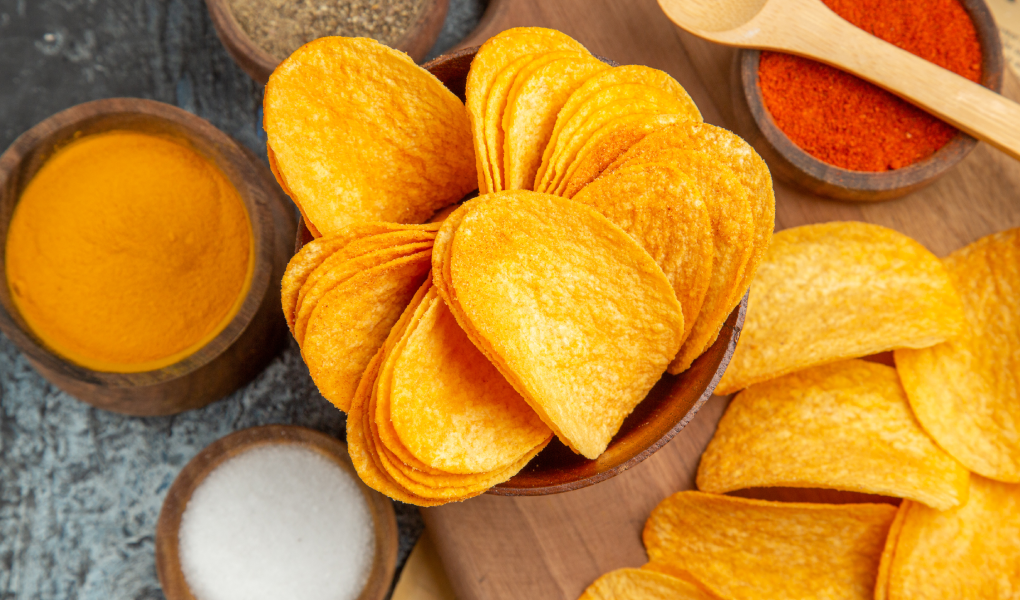
- Chips, cookies, candies, chewing gums
- Beverages:
- Soft drinks, juices, flavored water, coffee syrups
- Bakery Products:
- Cakes, pastries, muffins, bread
- Processed Foods:
- Sauces, soups, frozen meals, seasonings
- Dairy Products:
- Ice creams, flavored yogurts, puddings
Tip: Synthetic flavors allow manufacturers to replicate seasonal or expensive natural flavors year-round.
Health and Safety Considerations
Synthetic flavor ingredients are heavily regulated by food safety authorities such as:
- FDA (U.S. Food and Drug Administration)
- EFSA (European Food Safety Authority)
Some important points:
- Generally Recognized as Safe (GRAS): Many synthetic flavors are GRAS-approved, meaning they are safe for consumption at regulated levels
- Minimal Nutritional Impact: Flavors do not significantly contribute calories or nutrients
- Allergy Considerations: Rare, but synthetic flavors may sometimes contain trace compounds from natural sources that could trigger allergies
Tip: Consuming foods with synthetic flavors occasionally is considered safe, but a balanced diet with fresh, whole foods is recommended for optimal nutrition.
Halal Considerations for Synthetic Flavor Ingredients
For Muslim consumers, halal compliance is essential. Synthetic flavor ingredients must meet several requirements:
1. Source of Compounds
- Ingredients must not originate from haram (forbidden) sources such as pork, alcohol, or non-halal animals
- Many synthetic flavors are made from chemical precursors or plant sources, which are typically halal
2. Use of Alcohol in Production
- Some flavors, especially in beverages, may use alcohol as a solvent
- Halal certification ensures that either alcohol is avoided or the final product contains permissible levels
3. Cross-Contamination
- Facilities processing non-halal ingredients must follow strict segregation
- Halal certification ensures no cross-contact with haram substances
4. Trusted Halal Certification
- Look for certification from IFANCA, HFC, ISA, or other recognized bodies
- Certification guarantees that the synthetic flavor and the final product are compliant
Tip: Always check product labels for halal logos when consuming processed foods containing synthetic flavors.
Pros and Cons of Synthetic Flavors
Pros
- Cost-Effective: Cheaper than extracting natural flavors
- Consistent: Maintains same taste across batches and seasons
- Stable: Longer shelf life compared to some natural flavors
- Versatile: Can mimic rare or expensive natural flavors
Cons
- Perceived as Artificial: Some consumers prefer natural flavoring
- Limited Nutritional Value: Do not provide vitamins, minerals, or antioxidants
- Potential Allergens: Rare cases may cause reactions if derived from certain natural sources
- Halal Uncertainty: Without certification, the source and processing may not be halal
Tip: Combining synthetic and natural flavors is common in the food industry to balance cost, stability, and taste.
How to Choose Halal Products with Synthetic Flavors
- Check Halal Certification: Ensure the product is certified by trusted authorities
- Read Ingredients: Look for flavor listings like “vanillin (synthetic)” or “natural flavor”
- Avoid Unknown Additives: If the source is unclear, it may not be halal
- Buy Reputable Brands: Certified brands follow strict halal standards and quality control
- When in Doubt, Make Your Own: Homemade snacks or drinks allow you to control flavors
Tips for Parents and Home Cooks
Synthetic flavors are common in snacks, beverages, and desserts often consumed by children. Parents can:
- Limit Consumption: Use flavored products occasionally, not as a daily staple
- Homemade Alternatives: Use fruit extracts, purees, or spices to mimic flavors naturally
- Educate Kids: Explain the difference between natural and synthetic flavors
- Check Labels: Avoid products with non-halal additives or unclear sources
Tip: Homemade treats with halal-certified synthetic flavoring or natural extracts are both safe and fun for children.
Common Misconceptions About Synthetic Flavors
- “Synthetic means harmful.”
- Synthetic flavors are regulated for safety and used in extremely small amounts.
- “All synthetic flavors are haram.”
- Only flavors derived from haram sources or processed with alcohol are questionable; halal-certified products are safe.
- “They taste worse than natural flavors.”
- Modern synthetic flavors can mimic natural flavors very closely, often indistinguishably.
- “Synthetic flavors reduce nutrition.”
- While they add no vitamins, minerals, or calories, they do not harm nutritional content if the meal is balanced.
Final Thoughts
Synthetic flavor ingredients play a significant role in modern food manufacturing, providing taste, stability, and affordability. For halal-conscious consumers, choosing halal-certified products ensures that these flavors are permissible and safe for consumption.
Key takeaways from Halal Edible:
- Understand the difference between natural and synthetic flavors
- Check halal certification before consuming processed foods
- Use synthetic flavors in moderation and combine with whole foods
- For home cooking, natural flavorings like fruit extracts, spices, and herbs are excellent alternatives
- Educate children on food choices and the role of flavors in nutrition
With careful selection and awareness, synthetic flavors can be enjoyed safely and responsibly, allowing families to enjoy tasty halal snacks, drinks, and meals without compromising dietary compliance.