
Sugar is one of the most common ingredients used in foods and beverages around the world. From baked goods and desserts to soft drinks and candies, sugar plays a major role in flavor, texture, and preservation. However, many consumers are unaware that the refining process of sugar can involve substances like bone char, which raises important concerns for halal and ethical consumption.
For Muslims and halal-conscious consumers, understanding how sugar is processed is essential. While sugar itself comes from natural plant sources like sugar cane or sugar beets, the refining process may involve materials that require closer examination.
In this article from Halal Edible, we will explain what bone char is, how sugar is processed, whether it affects halal status, and how consumers can choose halal-friendly sugar products.
What Is Sugar Made From?
Sugar used in food products typically comes from two main sources:
Sugar Cane
Sugar cane is a tropical plant widely grown in countries such as Brazil, India, and Thailand. It is the most common source of refined white sugar.
The process involves extracting juice from sugar cane and refining it to produce granulated sugar.
Sugar Beets
Sugar can also be produced from sugar beets, which are grown mainly in Europe and North America.
Unlike cane sugar, beet sugar generally does not require bone char in its refining process, making it a popular option for consumers concerned about animal-derived substances.
The Sugar Refining Process
Before sugar reaches consumers, it goes through several stages of processing to remove impurities and achieve the white crystalline appearance that many people recognize.
1. Extraction
For cane sugar, the process begins with crushing the sugar cane to extract the juice. This juice contains natural sugars along with impurities like plant fibers and minerals.
2. Clarification
The juice is then heated and treated to remove impurities. This stage helps separate the sugar from unwanted particles.
3. Evaporation
The clarified juice is boiled to remove water and produce a thick syrup.
4. Crystallization
The syrup is further processed until sugar crystals begin to form. These crystals are separated from the remaining liquid.
5. Refining and Filtering
To produce pure white sugar, the crystals are filtered and refined. This is the stage where bone char may sometimes be used.
What Is Bone Char?
Bone char is a black carbon material produced by heating animal bones at very high temperatures in a controlled environment. The bones used are typically from cattle.
This process produces a porous material that acts as a powerful filter.
In the sugar industry, bone char is used to:
- Remove impurities
- Remove color from raw sugar
- Produce bright white refined sugar
It is important to note that bone char does not become part of the sugar itself. Instead, it acts as a filtering agent during processing.
Why Bone Char Is Used in Sugar Processing
Raw cane sugar has a natural brown color due to plant compounds. Many manufacturers prefer white sugar for commercial products because it looks more refined and consistent.
Bone char helps:
- Decolorize sugar syrup
- Remove organic impurities
- Improve the appearance of the final product
However, the use of bone char has raised concerns among certain consumers, including Muslims, vegetarians, and vegans.
Halal Concerns Related to Bone Char
The use of bone char in sugar refining creates questions about whether the final sugar product is halal.
Several factors are considered when determining halal status.
Source of the Bones
Bone char is typically made from cattle bones. If these bones come from animals not slaughtered according to halal guidelines, some scholars may consider the process questionable.
Contact With Sugar
Bone char is used only as a filtering medium. It does not remain in the final sugar product.
Some scholars argue that because the bone char is not present in the final sugar, the sugar itself remains halal.
Scholarly Opinions
Islamic scholars have different opinions on the use of bone char in sugar refining:
- Some scholars consider refined sugar permissible because bone char does not remain in the sugar.
- Others recommend avoiding it if possible and choosing sugar that is processed without animal-derived filters.
Because of these differing views, many consumers prefer halal-certified sugar products for certainty.
Sugar Types That Usually Do Not Use Bone Char
Fortunately, many types of sugar are processed without bone char.
Beet Sugar
Sugar produced from sugar beets does not require bone char for refining. It is generally considered safe for halal and vegan diets.
Organic Sugar
Organic sugar is usually processed without bone char because organic standards restrict certain filtering methods.
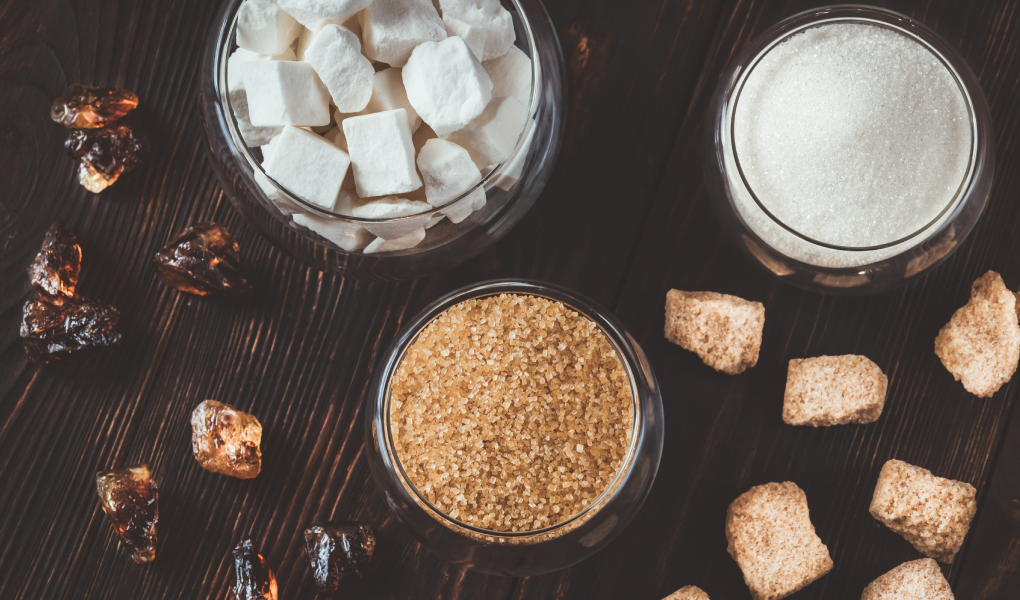
Raw or Unrefined Sugar
Raw sugar varieties retain their natural color and are not processed through bone char filters.
Examples include:
- Raw cane sugar
- Turbinado sugar
- Muscovado sugar
- Panela sugar
These sugars maintain more natural minerals and flavor.
Foods That May Contain Refined Sugar
Refined sugar is found in many everyday foods, including:
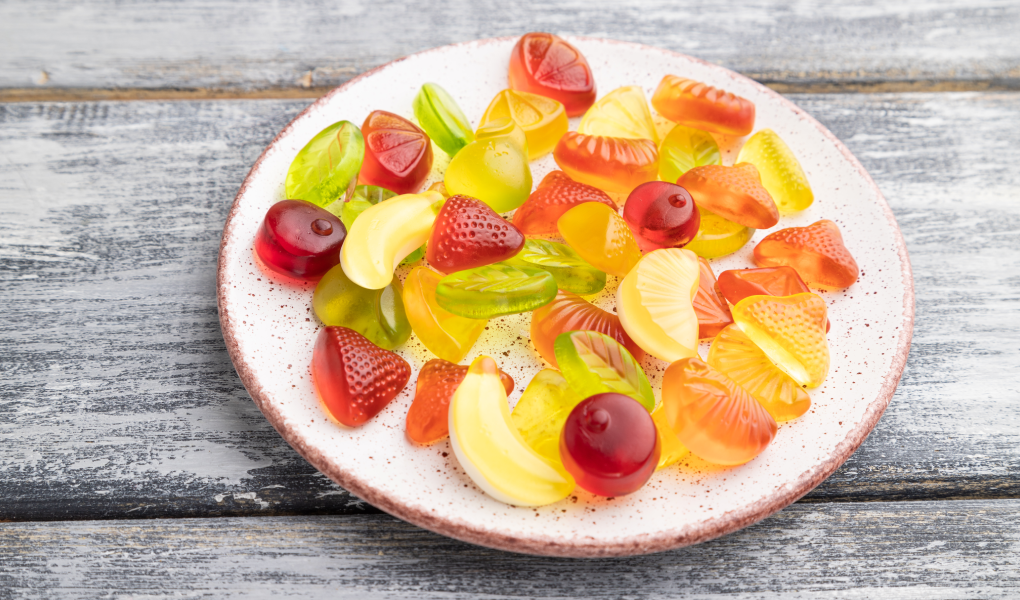
- Candies
- Soft drinks
- Baked goods
- Breakfast cereals
- Ice cream
- Chocolate products
- Snack foods
If the sugar used in these products is cane sugar refined with bone char, some halal consumers may prefer alternatives.
Choosing halal-certified products can help eliminate uncertainty.
Alternatives to Bone Char–Processed Sugar
If you want to avoid sugar processed with bone char, several alternatives are available.
Beet Sugar
Beet sugar is chemically identical to cane sugar but does not use bone char in its processing.
Organic Cane Sugar
Many organic sugar brands refine sugar without bone char.
Natural Sweeteners
Natural sweeteners can sometimes replace refined sugar in cooking and baking.
Examples include:
- Honey
- Date syrup
- Maple syrup
- Coconut sugar
- Agave nectar
These sweeteners offer unique flavors and are often less processed.
Tips for Halal Consumers
Here are some practical tips to ensure the sugar you use aligns with halal preferences.
Look for Halal Certification
Halal-certified products are verified to meet Islamic dietary guidelines.
Choose Organic or Beet Sugar
These types are less likely to involve bone char in their production.
Research Brands
Some sugar manufacturers clearly state that they do not use bone char in their refining process.
Read Ingredient Labels
Although sugar itself may simply appear as “sugar” on a label, halal-certified foods provide additional assurance.
Benefits of Understanding Sugar Processing
Learning about sugar processing helps consumers make more informed decisions about their food.
Benefits include:
- Greater awareness of hidden ingredients
- Improved ability to choose halal products
- Better understanding of food manufacturing processes
- Support for ethical and transparent food production
For halal-conscious families, this knowledge ensures that everyday ingredients align with religious values.
Final Thoughts
Sugar is a widely used ingredient, but its refining process can involve substances like bone char that raise questions for halal consumers. While bone char acts only as a filtering agent and does not remain in the final product, opinions among scholars may vary.
To avoid uncertainty, many halal-conscious consumers choose halal-certified, organic, or beet sugar, which typically do not involve bone char processing.
Key points to remember:
- Sugar is usually produced from sugar cane or sugar beets
- Bone char may be used to filter and whiten cane sugar
- Bone char does not remain in the final sugar product
- Beet sugar and organic sugar usually avoid bone char
- Halal certification provides the safest assurance
By understanding sugar processing methods, consumers can confidently choose ingredients that meet both their dietary preferences and halal principles.