
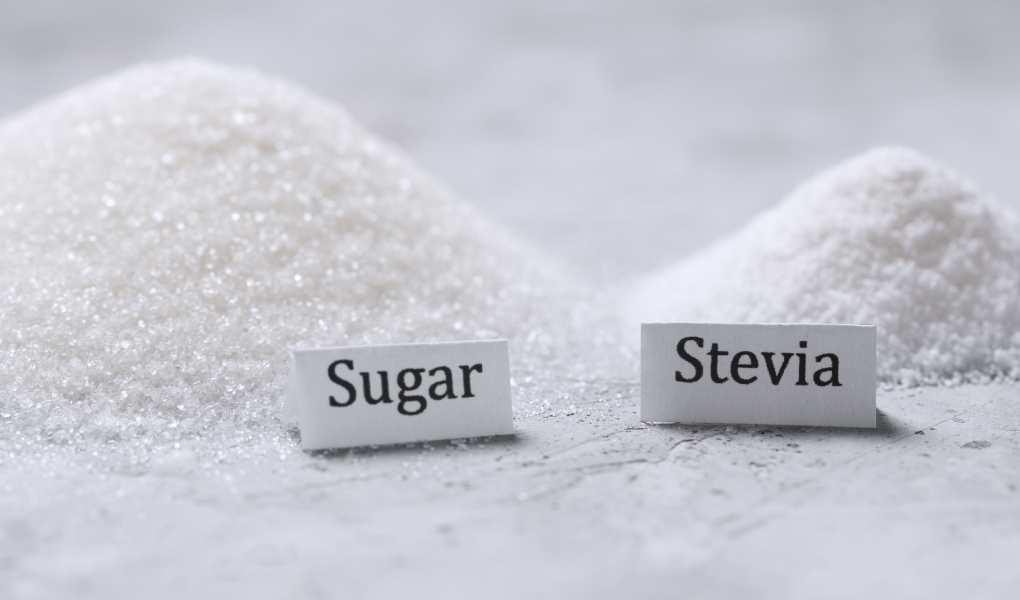
Sugar has long been a staple in kitchens around the world, adding sweetness to beverages, desserts, and snacks. However, modern health concerns, including obesity, diabetes, and dental problems, have led many to explore alternatives like stevia, a natural sweetener derived from the leaves of the Stevia rebaudiana plant.
At Halal Edible, we understand that halal-conscious consumers not only care about dietary compliance but also about the nutritional quality of what they consume. This guide will explore the differences between stevia and sugar, their health impacts, halal status, and practical tips for incorporating them into your daily diet.
What Is Sugar?
Sugar, also known as sucrose, is a natural carbohydrate extracted primarily from sugarcane or sugar beets. It is widely used as a sweetener in:
- Beverages like tea, coffee, and soft drinks
- Baked goods and desserts
- Sauces, jams, and spreads
While sugar provides quick energy due to its carbohydrate content, excessive consumption has been linked to numerous health issues.
Health Considerations of Sugar
- Weight Gain: Sugar is calorie-dense but low in nutrients. Regular overconsumption can contribute to obesity.
- Diabetes Risk: High sugar intake can spike blood glucose and insulin levels, increasing the risk of type 2 diabetes.
- Dental Health: Sugar feeds bacteria in the mouth, promoting tooth decay and cavities.
- Inflammation: Excess sugar may contribute to inflammation and chronic disease over time.
While moderate sugar intake is generally safe for healthy individuals, many people seek alternatives like stevia to reduce calories and maintain stable blood sugar levels.
What Is Stevia?
Stevia is a natural, plant-based sweetener extracted from the leaves of the Stevia rebaudiana plant. It is 200–300 times sweeter than sugar, so only a small amount is needed.
Health Benefits of Stevia
- Zero Calories: Stevia contains negligible calories, making it ideal for weight management.
- Blood Sugar Control: Unlike sugar, stevia does not raise blood glucose, making it suitable for diabetics.
- Dental Health: Stevia does not feed harmful oral bacteria, reducing the risk of cavities.
- Natural Origin: Derived from plant leaves, it’s considered a natural alternative to artificial sweeteners.
Stevia vs Sugar: Key Differences
| Feature | Sugar | Stevia |
|---|---|---|
| Calories | ~16 calories per teaspoon | 0–1 calorie per serving |
| Sweetness | Baseline | 200–300 times sweeter than sugar |
| Impact on Blood Sugar | Increases blood glucose | Minimal effect on blood glucose |
| Dental Health | Can cause cavities | Does not promote tooth decay |
| Source | Sugarcane or sugar beet | Stevia plant leaves |
| Halal Status | Naturally halal | Halal if free from non-halal additives or alcohol-based processing |
| Taste Profile | Neutral, sweet | Sweet with slight aftertaste in some brands |
Halal Considerations for Sweeteners
Both sugar and stevia are generally halal when pure. However, processed products may contain additives or be manufactured using alcohol-based extraction methods. To ensure compliance:
- Choose halal-certified sugar and stevia brands.
- Check for added flavorings, fillers, or emulsifiers in stevia products.
- Avoid products with non-halal alcohol-based extracts.
When in doubt, contact the manufacturer or select products with a recognized halal logo.
Using Stevia vs Sugar in Cooking and Baking
Stevia
- Ideal for beverages, like tea, coffee, smoothies, and lemonade.
- Can be used in baking, but adjustments are needed since stevia does not provide bulk or caramelization like sugar. Often blended with flour or other bulking agents.
- A little goes a long way—start with a small amount and adjust to taste.
Sugar
- Provides structure, texture, and caramelization in baked goods.
- Essential for recipes like cookies, cakes, and jams, where bulk and browning are important.
- Can be replaced partially with stevia to reduce calories while maintaining texture.
Health Impact Comparison
- Weight Management:
- Sugar contributes to calorie intake; stevia provides sweetness without calories, supporting weight control.
- Diabetes Management:
- Stevia is preferable for diabetics due to minimal impact on blood glucose.
- Heart Health:
- Excessive sugar consumption is linked to heart disease; stevia does not negatively affect heart health when used in moderation.
- Gut Health:
- Sugar can promote harmful gut bacteria when consumed in excess. Stevia is less likely to cause gut issues, though some people may experience mild digestive effects.
How to Choose Between Stevia and Sugar
- For Weight Control: Stevia is a better option.
- For Blood Sugar Management: Stevia is preferable for diabetics.
- For Baking and Texture: Sugar provides bulk, caramelization, and moisture. Consider a blend of sugar and stevia.
- For Halal Compliance: Check certification, particularly for flavored or processed sweeteners.
Tips for Using Stevia Effectively
- Start with small amounts; its sweetness is concentrated.
- Combine with sugar in recipes to retain texture and reduce overall sugar intake.
- Use liquid or powdered stevia depending on the recipe.
- Always check for halal certification, especially in flavored or blended stevia products.
Tips for Reducing Sugar in Daily Diet
- Replace sugary beverages with water, herbal tea, or stevia-sweetened drinks.
- Choose fruits as natural sweeteners in desserts and snacks.
- Read labels carefully—sugar is often hidden under names like sucrose, high-fructose corn syrup, cane sugar, or maltose.
- Gradually reduce sugar in recipes to allow taste buds to adjust.
Recipes Using Stevia
- Halal Stevia Lemonade: Fresh lemon juice, water, and stevia for a refreshing drink.
- Stevia-Sweetened Oatmeal: Add fruits and a dash of stevia for natural sweetness.
- Low-Calorie Desserts: Cakes, muffins, and smoothies can be sweetened with stevia while reducing overall sugar content.
Final Thoughts
Both sugar and stevia have a place in a halal kitchen. While sugar adds bulk, texture, and traditional sweetness, stevia offers a calorie-free, blood sugar-friendly alternative. Making an informed choice depends on:
- Dietary goals: Weight management, diabetes, or calorie control
- Recipe requirements: Baking, cooking, or beverages
- Halal compliance: Always check for certification, especially in processed products
By understanding the differences between stevia and sugar, families can make choices that are healthier, halal, and suitable for everyday consumption, balancing taste, nutrition, and religious dietary needs.