
Introduction
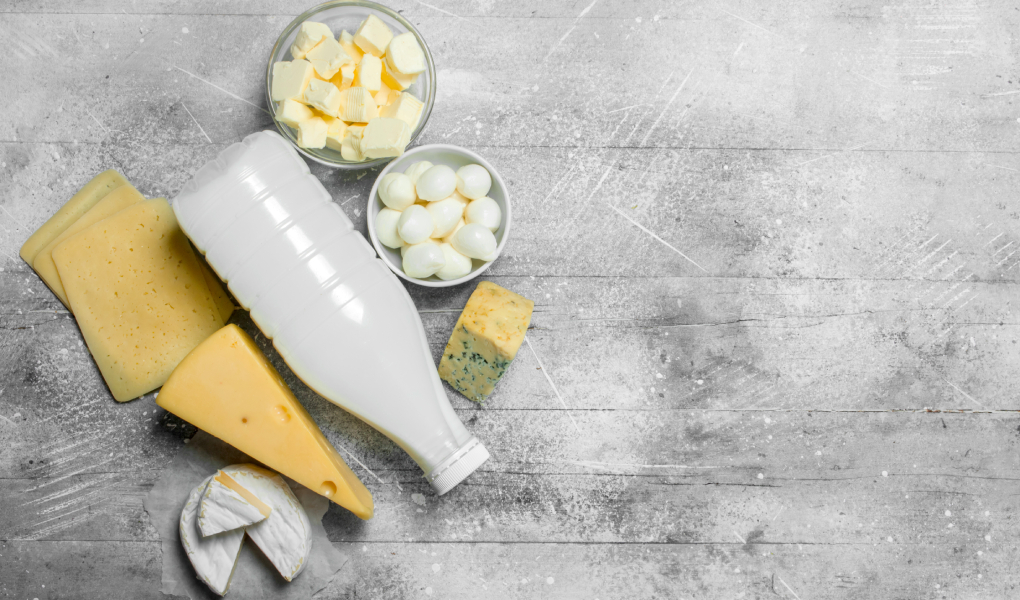
Cheese is a staple in many diets, but for Muslims, not all cheese is created equal. The most critical ingredient in the cheese-making process is **rennet**, a complex of enzymes used to coagulate milk into curds. Historically, rennet was harvested from the stomach lining of young calves, which raises immediate questions about whether the animal was slaughtered according to Halal rites. This makes rennet one of the most common “Mashbooh” (doubtful) ingredients in the supermarket.
In this article, we will explore the different types of rennet, from traditional animal sources to modern microbial and vegetable alternatives, and explain the conditions under which cheese is considered Halal. Understanding these distinctions is the key to enjoying your favorite cheeses with total peace of mind.
Animal Rennet vs. Microbial/Vegetable Rennet
Traditional **animal rennet** is derived from the fourth stomach (abomasum) of unweaned calves. For this rennet to be Halal, the calf must have been slaughtered in the Halal (Zabihah) manner. Because most mass-produced cheeses in the West use rennet from conventionally slaughtered calves, many cheeses are considered non-Halal by majority standards. On the other hand, **microbial rennet** is produced using fungi or bacteria, and **vegetable rennet** is derived from plants like thistles or figs. These alternatives are inherently Halal and are widely used by cheesemakers today to cater to vegetarian and Halal markets.
Genetically Modified Rennet (FPC)
A third common type of rennet is **Fermentation-Produced Chymosin (FPC)**. This is created by inserting the DNA for rennet production into yeast or bacteria. While this process is technically complex, most Halal certification bodies consider FPC to be permissible because the enzyme itself is produced in a controlled, non-animal environment. FPC is now used in a significant portion of the world’s cheese production, making it much easier for Muslim consumers to find Halal-friendly options in mainstream stores.
How to Identify Halal Cheese
When shopping for cheese, the first thing to look for is a **Halal certification logo**. This is the only way to be 100% certain of the entire production process. If a logo is not available, check the ingredient list for the terms “Microbial Enzyme,” “Vegetable Rennet,” “Plant-based Enzyme,” or “Non-Animal Rennet.” Many vegetarian-labeled cheeses are Halal-friendly for this reason. However, avoid any cheese that simply lists “Rennet” or “Enzymes” without specifying the source, as these are likely animal-derived from non-Halal sources.
Conclusion
Navigating the world of cheese requires a bit of detective work, but once you understand the role of rennet, it becomes much simpler. By choosing microbial, vegetable, or certified Halal options, you can enjoy a wide variety of delicious cheeses while upholding your religious standards. The availability of non-animal rennet is a major benefit for the modern Muslim consumer, providing a clear path to a pure and wholesome diet. Always remember that your food choices are a reflection of your commitment to a mindful and ethical life. Stay curious, read the labels, and savor the purity of Halal-certified cheese.