
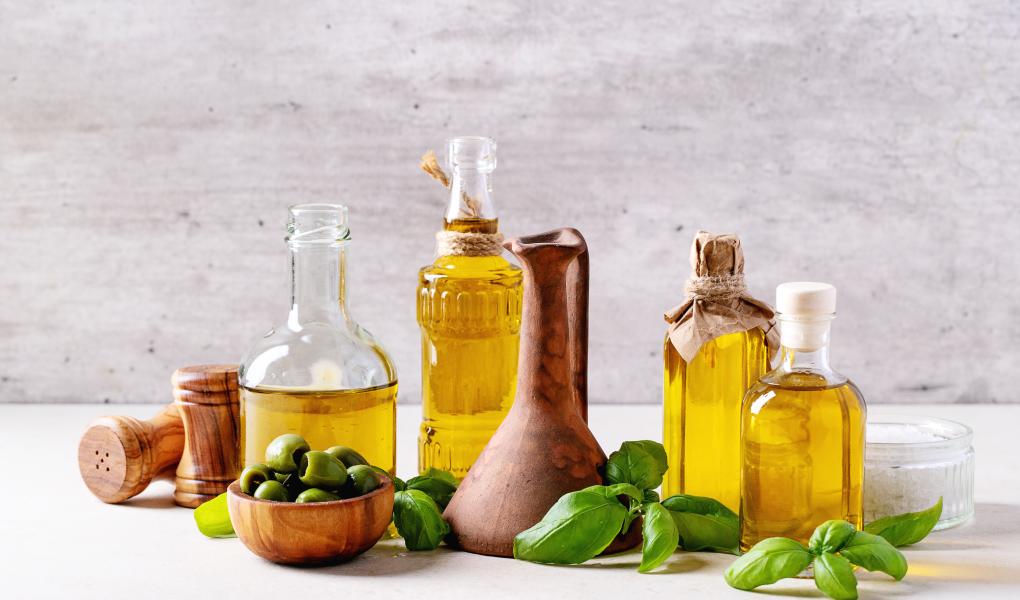
Cooking oils are a staple in kitchens worldwide, used for frying, baking, sautéing, and dressing salads. While most oils are plant-based and naturally halal, some oils may contain non-halal additives or undergo processing with animal-derived substances, which can make them a concern for halal-conscious consumers.
At Halal Edible, we understand the importance of making informed choices about everyday ingredients. In this guide, we’ll explore the types of oils that may contain non-halal additives, potential risks, and tips for ensuring the oils you use are halal.
Understanding Oils and Their Sources
Oils can be broadly categorized based on their source:
- Plant-Based Oils – Derived from seeds, nuts, or fruits. Examples: olive oil, sunflower oil, coconut oil, canola oil.
- Animal-Based Oils and Fats – Derived from animal sources such as lard or tallow. These are halal only if the animal was slaughtered according to Islamic guidelines.
- Blended or Processed Oils – Sometimes include additives, flavorings, or emulsifiers, which may not be halal.
While plant-based oils are generally considered halal, processing methods and additives can introduce non-halal elements.
Common Non-Halal Additives in Oils
Even oils that appear plant-based can sometimes contain ingredients that are not halal. These include:
1. Lard or Tallow Derivatives
Some processed oils use animal-derived emulsifiers or stabilizers that may come from pork (lard) or non-halal slaughtered animals (tallow).
Examples:
- Shortening containing partially hydrogenated lard
- Margarines or spreads using animal fats
For halal consumers, it’s important to read labels carefully and avoid oils containing animal derivatives unless halal-certified.
2. Mono- and Diglycerides
Mono- and diglycerides are commonly added to oils, margarines, and baked goods to improve texture and stability.
Halal Concern:
- These compounds can be derived from plant or animal sources.
- If derived from non-halal animals, they are not permissible.
- Only products with halal certification should be used to ensure safety.
3. Flavorings and Additives
Some oils, especially flavored oils, contain added ingredients such as:
- Garlic, herb, or chili flavorings
- Natural or artificial flavor extracts
- Preservatives or antioxidants
Halal Concern:
- Certain flavor extracts may be alcohol-based or derived from non-halal sources.
- Natural flavors do not always mean halal; verification is required.
4. Coloring Agents
Some specialty oils, like infused oils or gourmet blends, may include coloring agents to enhance appearance.
Halal Concern:
- Some colorants are derived from insects (carmine) or animal sources.
- These additives are not halal unless sourced from permissible origins.
5. Anti-Foaming Agents
During the refining of some industrial oils, anti-foaming agents are used to prevent bubbling during processing.
Halal Concern:
- Some anti-foaming agents are animal-derived.
- Plant-based or synthetic alternatives are halal, but confirmation is needed.
Types of Oils Where Halal Additives Are Often a Concern
While all oils can potentially have non-halal additives, certain types are more commonly affected:
1. Margarine and Vegetable Shortening
- Often contains mono- and diglycerides
- May contain partially hydrogenated animal fats
- Halal certification is strongly recommended
2. Flavored Cooking Oils
- Garlic, chili, or truffle oils
- Check flavor extracts for alcohol or animal-derived ingredients
3. Commercial Frying Oils
- Oils used in fast-food chains may contain stabilizers, emulsifiers, or anti-foaming agents
- Halal certification ensures compliance
4. Specialty Infused Oils
- Oils infused with cheese, meat flavors, or exotic flavors
- Additives may compromise halal status
Tips for Choosing Halal Oils
Ensuring that your cooking oils are halal requires careful selection. Here are some practical tips:
1. Look for Halal Certification
Halal-certified oils are tested to ensure no non-permissible additives are used. Look for logos from recognized halal authorities.
2. Prefer Single-Ingredient Oils
Pure oils such as:
- Olive oil
- Coconut oil
- Sunflower oil
- Canola oil
- Avocado oil
are usually halal, especially if they are minimally processed.
3. Avoid Unclear Additives
If an oil contains terms like:
- Mono- and diglycerides
- Natural flavor
- Anti-foaming agent
check whether these are plant-based or halal-certified.
4. Choose Organic or Cold-Pressed Oils
Organic and cold-pressed oils are often minimally processed, reducing the likelihood of non-halal additives.
5. Read Labels Carefully
Even plant-based oils may contain additives. Always read the ingredient list and avoid products that include unclear or suspicious components.
Benefits of Halal Oils
Choosing halal-certified oils is not only important for religious compliance but also promotes health and safety.
1. Peace of Mind
- You can be confident that your food aligns with halal dietary laws.
2. Clean Label
- Halal-certified oils often avoid unnecessary additives, chemicals, and animal-derived ingredients.
3. Quality Ingredients
- Many halal-certified oils come from reputable sources that prioritize quality and transparency.
Common Cooking Practices with Halal Oils
Using halal oils can enhance both flavor and nutrition in your kitchen.
- Sautéing and Frying – Olive, sunflower, or canola oil
- Baking – Coconut oil or halal-certified margarine
- Salad Dressings – Extra virgin olive oil or avocado oil
- Infusions – Halal-certified garlic, herb, or chili oils
By using halal oils, you can enjoy everyday cooking without compromising your dietary values.
Final Thoughts
While most oils are plant-based and naturally halal, some processed oils may contain non-halal additives, such as animal-derived fats, flavorings, or stabilizers. Halal-conscious consumers should be aware of these potential risks and carefully select oils that meet Islamic dietary standards.
Key points to remember:
- Pure plant-based oils are generally halal
- Processed or flavored oils may include non-halal additives
- Ingredients like mono- and diglycerides, anti-foaming agents, and flavor extracts require scrutiny
- Halal certification provides reliable assurance
- Organic, cold-pressed, and single-ingredient oils are usually the safest choices
By understanding the sources and processing of oils, you can confidently select halal, healthy, and high-quality oils for your cooking, baking, and everyday meals.