
Preserving food has been a concern for humans for thousands of years. Long before refrigerators and freezers, people relied on natural methods to extend the shelf life of their food. Today, while modern food processing often uses artificial preservatives, there is a growing demand for natural preservatives that are safer, healthier, and halal-friendly.
At Halal Edible, we believe in helping consumers make informed food choices. In this article, we explore what natural preservatives are, how they work, common types, health benefits, halal considerations, and tips for using them in daily life.
What Are Natural Preservatives?
Natural preservatives are substances derived from plants, minerals, or other natural sources that help prevent food spoilage and extend shelf life without relying on synthetic chemicals. They work by:
- Inhibiting microbial growth
- Slowing oxidation in fats and oils
- Maintaining color, texture, and flavor
- Preserving nutritional quality
Unlike artificial preservatives, natural preservatives are often considered safer and more compatible with halal dietary requirements, as they rarely involve animal or chemical derivatives.
Why Natural Preservatives Are Important
Consumers today are increasingly concerned about:
- Health: Avoiding synthetic chemicals that may cause allergies or long-term health issues
- Halal Compliance: Ensuring ingredients are halal and free from animal-derived or alcohol-based components
- Clean Labels: Preferring foods with simpler, recognizable ingredients
- Sustainability: Supporting natural and environmentally friendly production methods
Natural preservatives address all these concerns while maintaining the safety and quality of food products.
Common Natural Preservatives and Their Uses
Here are some widely used natural preservatives, their sources, and applications:
1. Salt
Salt is one of the oldest and most effective natural preservatives. It works by drawing moisture out of food, which inhibits bacterial growth.
Uses:
- Curing meats (e.g., halal beef, chicken)
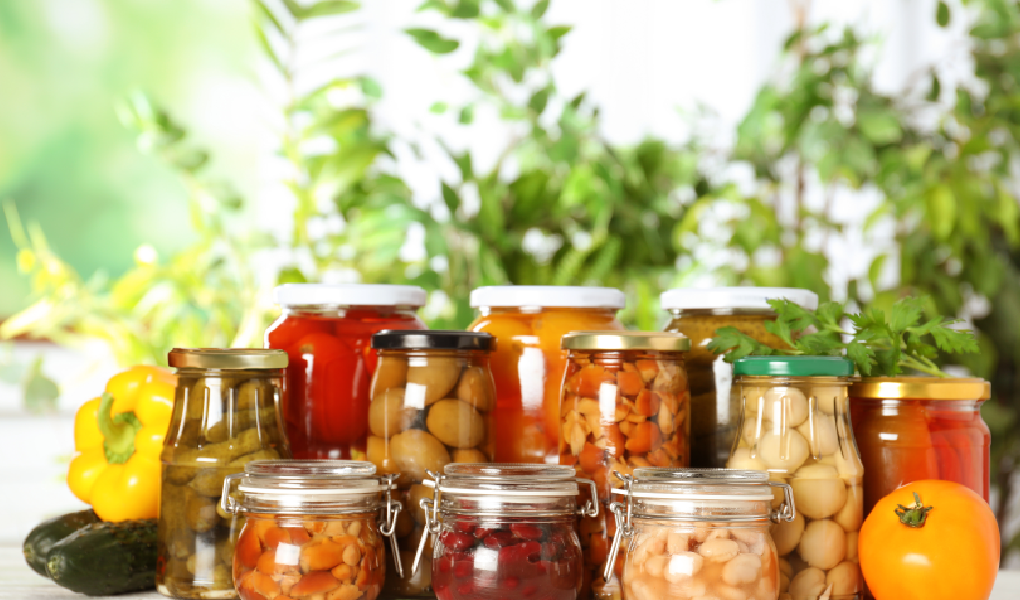
- Pickles and fermented vegetables
- Snack foods like salted nuts
Benefits: Salt is naturally halal, widely available, and simple to use.
2. Sugar
Sugar preserves food by reducing water activity, making it harder for bacteria and molds to grow.
Uses:
- Jams and jellies
- Candies and syrups
- Sweet baked goods
Benefits: In addition to preserving, sugar enhances flavor and texture.
3. Vinegar
Vinegar contains acetic acid, which creates an acidic environment that inhibits microbial growth.
Uses:
- Pickled vegetables and fruits
- Sauces and condiments
- Salad dressings
Benefits: Vinegar is natural, halal, and adds a tangy flavor while preventing spoilage.
4. Lemon and Citrus Extracts
Citrus fruits contain citric acid, a natural preservative and antioxidant.
Uses:
- Beverages and fruit juices
- Jams and preserves
- Baked goods
Benefits: Citric acid helps maintain color and flavor and slows oxidation in fruits.
5. Rosemary Extract
Rosemary extract is a plant-based antioxidant widely used in processed foods to prevent fats from becoming rancid.
Uses:
- Cooking oils and dressings
- Processed meats and sausages
- Snack foods
Benefits: It is natural, halal, and may offer additional antioxidant health benefits.
6. Garlic and Onion Extracts
Garlic and onion contain compounds like allicin that have antimicrobial properties.
Uses:
- Meat marinades
- Sauces and gravies
- Pickled products
Benefits: These extracts add flavor while naturally inhibiting bacteria.
7. Honey
Honey naturally contains enzymes and low moisture that prevent bacterial growth.
Uses:
- Confectionery
- Sweetened beverages
- Baked goods
Benefits: Honey is halal, adds sweetness, and has natural antimicrobial properties.
8. Fermentation
Fermentation is a traditional natural preservation method that produces acids and beneficial bacteria to inhibit spoilage.
Uses:
- Yogurt and kefir
- Sauerkraut and kimchi
- Fermented beverages
Benefits: Fermentation not only preserves food but also improves gut health and flavor.
9. Spices and Herbs
Certain spices and herbs have antimicrobial and antioxidant properties that help preserve foods naturally.
Examples:
- Cloves
- Cinnamon
- Turmeric
- Thyme
Uses:
- Meat and poultry dishes
- Sauces and condiments
- Baked goods
Benefits: Adds flavor, aroma, and natural preservation.
Health Benefits of Natural Preservatives
Natural preservatives offer multiple benefits beyond keeping food fresh:
- Fewer Chemicals: Reduce exposure to synthetic additives that may have unknown long-term effects
- Nutritional Support: Many natural preservatives (like citrus extracts, honey, and herbs) provide vitamins and antioxidants
- Halal-Friendly: Most are plant-based, mineral-based, or naturally derived, ensuring compliance with Islamic dietary laws
- Digestive Health: Fermented natural preservatives like yogurt cultures support gut health
Halal Considerations
Most natural preservatives are inherently halal because they are derived from plants, minerals, or halal-approved processes. However, some considerations include:
- Animal-Derived Substances: Some traditional preservatives like gelatin are animal-derived and must come from halal-slaughtered animals
- Alcohol-Based Extracts: Certain natural extracts may use alcohol as a solvent during processing. Ensure halal-certified products
- Cross-Contamination: Manufacturing facilities handling haram ingredients can compromise halal status
Tip: Always check for halal certification when buying processed foods with preservatives.
Using Natural Preservatives at Home
Natural preservatives can easily be incorporated into everyday cooking:
- Salt and Sugar: Use to cure meats, preserve fruits, or prepare jams
- Vinegar: Make pickles, dressings, and sauces
- Citrus Extracts: Preserve fruits and enhance beverages
- Honey: Sweeten and preserve desserts
- Herbs and Spices: Flavor dishes while extending shelf life
- Fermentation: Make yogurt, kefir, kimchi, or pickled vegetables
By using these methods, you can reduce reliance on artificial preservatives while enjoying fresh, flavorful, and halal-friendly foods.
The Future of Natural Food Preservation
The food industry is increasingly moving toward natural preservatives due to consumer demand for clean labels and healthier products. Innovations include:
- Plant-based antioxidants replacing synthetic ones
- Fermentation-based preservation techniques
- Packaging innovations to reduce spoilage without chemicals
- Halal-certified natural preservatives for global markets
This shift ensures that halal consumers can enjoy safe, high-quality processed foods without compromising their dietary or ethical values.
Final Thoughts
Natural preservatives provide a safe, halal-friendly, and effective way to extend the shelf life of foods while maintaining flavor, texture, and nutritional quality. From traditional methods like salt and vinegar to modern plant-based extracts and fermentation, natural preservatives offer multiple benefits for health-conscious and halal-conscious consumers.
At Halal Edible, we encourage readers to:
- Choose foods with natural preservatives whenever possible
- Look for halal certification for processed foods
- Experiment with natural preservation methods at home
- Reduce reliance on artificial additives for a cleaner, healthier diet
By embracing natural preservatives, you can enjoy fresh, safe, and delicious foods while supporting health, faith, and sustainability.