
Gelatin is a common ingredient in candies, desserts, pharmaceuticals, and many processed foods. While it adds texture, chewiness, and stability, gelatin can also raise halal concerns because it is often derived from non-halal animal sources, such as pork or non-zabiha beef. For Muslims seeking to follow a halal and tayyib diet, it is essential to know how to identify the source of gelatin and ensure it is halal-compliant.
At Halal Edible, we provide a comprehensive guide to understanding gelatin, its sources, and practical tips for safe consumption.
What Is Gelatin?
Gelatin is a protein derived from collagen, a structural protein found in animal skin, bones, and connective tissues. It is widely used in the food industry because it:
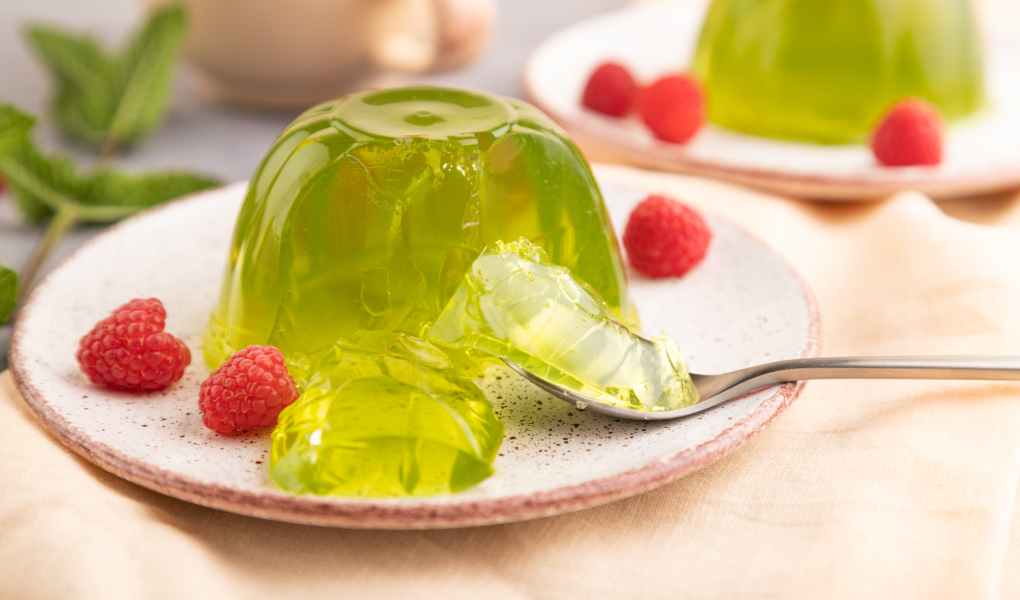
- Adds gel-like texture to desserts like jelly, marshmallows, and panna cotta.
- Stabilizes gummy candies, yogurts, and ice creams.
- Acts as a thickener in soups, sauces, and some baked goods.
- Is used in capsules for medicines and supplements.
Common Sources of Gelatin
1. Pork-Derived Gelatin
- The most common source of gelatin in commercial foods.
- Considered haram in Islam, as pork is strictly prohibited.
- Found in candies, marshmallows, gel capsules, and some yogurts.
2. Non-Zabiha Beef Gelatin
- Derived from cows or other animals not slaughtered according to Islamic law.
- Not halal due to the non-compliance with zabiha requirements.
3. Halal-Certified Gelatin
- Comes from zabiha slaughtered animals or vegetarian/plant-based sources.
- Ensures compliance with Islamic dietary laws.
4. Fish Gelatin
- Made from fish skin or bones.
- Acceptable in halal diets if properly processed and certified.
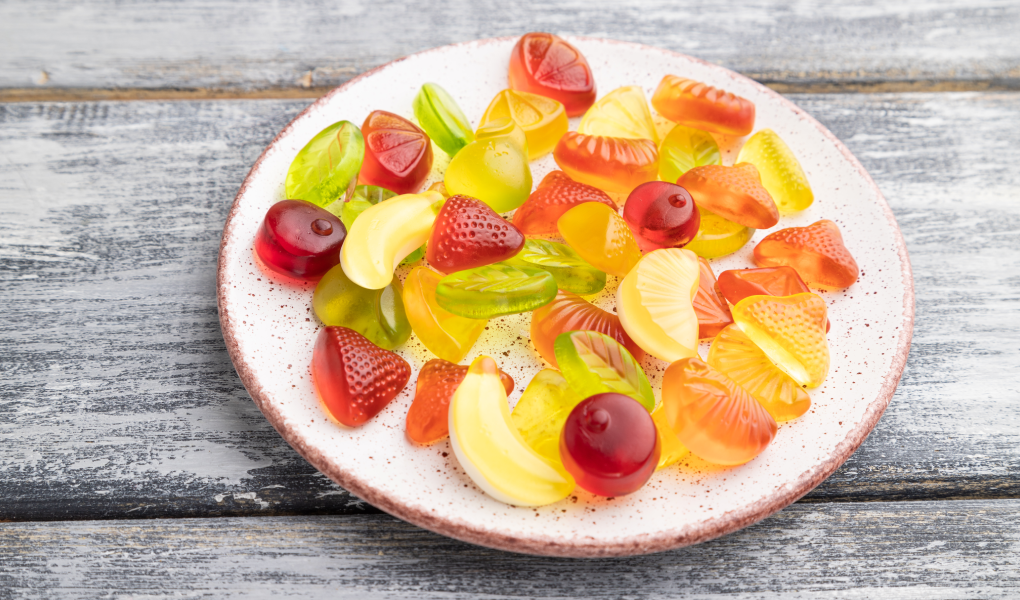
- Often used in gummy candies and halal-friendly gelatin desserts.
5. Plant-Based Alternatives
- Agar-agar, pectin, carrageenan, and konjac are popular halal alternatives.
- Derived from seaweed, fruits, or other plant sources.
- Perfect for vegetarians and halal-conscious consumers.
How to Identify Gelatin Sources
1. Check the Ingredient Label
- Look for gelatin on the label.
- Labels may not specify the source, so the origin could be pork, beef, or fish.
- Terms like “gelatin (porcine)” indicate pork-derived gelatin.
2. Look for Halal Certification
- Halal-certified products ensure gelatin comes from permissible sources.
- Certification is the easiest and most reliable way to verify halal compliance.
3. Research E-Numbers and Additives
- Some gelatin products are labeled with E441 in Europe.
- E441 may be from pork, beef, or fish—always confirm with the manufacturer or certification body.
4. Contact the Manufacturer
- When labels are unclear, reach out directly to ask about the gelatin source.
- Reputable brands provide transparency and can confirm halal status.
5. Prefer Plant-Based or Fish Gelatin
- Choose alternatives like agar-agar, pectin, or fish-based gelatin.
- These are naturally halal and reduce the risk of consuming haram ingredients.
Foods That Often Contain Gelatin
| Food Category | Gelatin Use | Halal Tip |
|---|---|---|
| Candies & Gummies | Texture & chewiness | Look for halal-certified or plant-based alternatives |
| Marshmallows | Stabilizer | Avoid traditional versions with pork gelatin |
| Yogurts & Panna Cotta | Thickener | Check labels; opt for halal-certified dairy products |
| Gel Capsules & Supplements | Encapsulation | Choose halal-certified capsules |
| Ice Cream | Stabilizer | Verify source; plant-based gelatin is preferable |
| Jellies & Fruit Snacks | Gel formation | Halal-certified gelatin or agar-agar is recommended |
Why Verifying Gelatin Sources Is Important
- Spiritual Compliance: Using gelatin from haram sources violates halal dietary laws.
- Health & Safety: Halal gelatin ensures ethical sourcing and processing.
- Tayyib Principles: Halal-certified or plant-based gelatin aligns with the principle of consuming wholesome and pure foods.
- Family & Guests: Using halal gelatin ensures that meals are safe for children, guests, and family members.
Practical Tips for Halal Gelatin Consumption
- Choose Halal-Certified Products: Look for trusted halal logos on candies, desserts, and supplements.
- Use Plant-Based Alternatives: Agar-agar, pectin, and carrageenan are safe and easy to cook with.
- Make Homemade Gelatin Desserts: Control ingredients by using fruit juice, agar-agar, or plant-based gelling agents.
- Be Wary of Imported Products: Some imported candies, gummies, and marshmallows contain pork gelatin.
- Educate Yourself on E-Numbers: Learn which E-numbers correspond to gelatin (e.g., E441).
How to Substitute Gelatin in Recipes
| Gelatin Substitute | Best For | Notes |
|---|---|---|
| Agar-Agar | Jelly, pudding, gummies | Plant-based, sets firm, neutral taste |
| Pectin | Fruit jams, jellies | Derived from citrus fruits or apples |
| Carrageenan | Dairy desserts | Seaweed-based, good for creamy texture |
| Konjac | Gummies & thickened sauces | Plant-based, absorbs liquid well |
| Fish Gelatin | Candies & desserts | Naturally halal if sourced properly |
Tip: Agar-agar and pectin can often replace gelatin in a 1:1 ratio, though setting and texture may vary slightly.
Conclusion
Gelatin is a versatile ingredient in modern cooking, but it poses significant halal concerns due to the possibility of being sourced from pork or non-zabiha animals. For Muslims committed to a halal and tayyib diet, checking gelatin sources is essential.
At Halal Edible, we recommend:
- Always reading ingredient labels carefully.
- Looking for halal certification to ensure compliance.
- Choosing plant-based or fish gelatin alternatives whenever possible.
- Educating yourself about E-numbers and hidden additives.
- Making homemade desserts to maintain control over ingredients.
By taking these steps, Muslims can enjoy gelatin-based desserts, candies, and supplements without compromising faith, health, or ethical standards. Halal-conscious choices ensure that meals remain wholesome, permissible, and aligned with Islamic principles.