Introduction
In the modern world, the grocery store is a landscape of complex labels, scientific names, and industrial processing. For the conscious Muslim consumer, navigating this landscape is more than just a matter of dietary choice—it is a spiritual obligation. The concepts of Halal (permissible) and Haram (forbidden) are central to Islamic life, especially when it relates to what we put into our bodies. Allah (SWT) commands in the Quran: “O mankind, eat from whatever is on earth [that is] lawful and good” (Surah Al-Baqarah 2:168). This verse establishes the foundation of the Halal diet: it must be both legally permissible (Halal) and pure/wholesome (Tayyib).
Understanding the difference between Halal and Haram ingredients is not always as simple as avoiding pork or alcohol. With the rise of food technology, ingredients derived from various sources can find their way into everything from bread and cheese to vitamins and cosmetics. This comprehensive guide will explain the definitions, categories, and complexities of ingredients in the modern food industry, helping you make informed, Halal choices for yourself and your family.
The Definition of Halal and Haram
To truly understand the difference, we must first look at the linguistic and legal definitions within Islam. Halal is an Arabic word meaning ‘lawful’ or ‘permissible.’ It refers to anything that is allowed according to Islamic law (Shariah). Conversely, Haram means ‘unlawful’ or ‘forbidden.’ Any action or object that the Quran or the Prophetic traditions (Hadith) explicitly prohibits falls into this category.
In the context of food, the default state of most things is Halal, unless there is a specific evidence for its prohibition. Plants, fruits, vegetables, grains, and most seafood are inherently Halal. The prohibitions are specific and intentional, meant to protect our health, our soul, and the sanctity of life.
Categories of Haram Ingredients
Understanding Haram ingredients requires a deep dive into several key categories. While some are obvious, others are hidden deep within processed food chains.
1. Meat and Poultry from Prohibited Sources
The most well-known Haram ingredient is pork. The Quran explicitly forbids the consumption of swine (Surah Al-Ma’idah 5:3). This prohibition extends to every part of the pig: the meat, the fat (lard), the bones (often used for gelatin), and even the hair or skin if processed into ingredients. Furthermore, meat from animals that naturally possess canine teeth or claws for hunting (predators) is also forbidden. This includes lions, tigers, hawks, and vultures.
2. Improperly Slaughtered Animals
Even if an animal is permissible (such as a cow or a chicken), it becomes Haram if it is not slaughtered according to ‘Dhabihah’—the Islamic method of slaughter. This requires the invocation of Allah’s name (Tasmiyah), the use of a sharp blade for a quick and painless death, and the complete drainage of blood. If an animal dies of natural causes, is strangled, beaten to death, or killed by an accident, it is considered ‘Maytah’ (carrion) and is strictly Haram.
3. Alcohol and Intoxicants
Islam prohibits anything that causes intoxication (Khamr). While many people associate this with drinking alcoholic beverages, it also applies to ingredients used in cooking. For example, vanilla extract is often made using high-percentage alcohol. While some scholars allow trace amounts that do not intoxicate, others advise avoiding it in favor of powder or non-alcoholic alternatives. Similarly, wine-based vinegars (unless they have undergone complete transformation) and sauces containing mirin or cooking wine must be carefully vetted.
4. Blood
The consumption of flowing blood is strictly prohibited in Islam. This is one of the reasons why the Islamic slaughtering process emphasizes the drainage of the circulatory system. In food industry terms, blood derivatives or ingredients containing blood-based proteins are Haram.
The Concept of Mashbooh (Doubtful Matters)
Between the clearly Halal and the clearly Haram lies a grey area known as Mashbooh. The Prophet Muhammad (PBUH) said: “That which is lawful is clear and that which is unlawful is clear, and between the two of them are doubtful matters about which many people do not know.” (Bukhari & Muslim). Modern food additives often fall into this category. For instance, an emulsifier like E471 can be sourced from vegetable fat (Halal) or animal fat (potentially Haram if from non-Dhabihah sources). Without clear certification or ingredient tracing, such items remain Mashbooh.
Hidden Ingredients in Modern Food
As food production has become more industrial, many Haram or Mashbooh substances appear under technical names. Here are a few prominent examples:
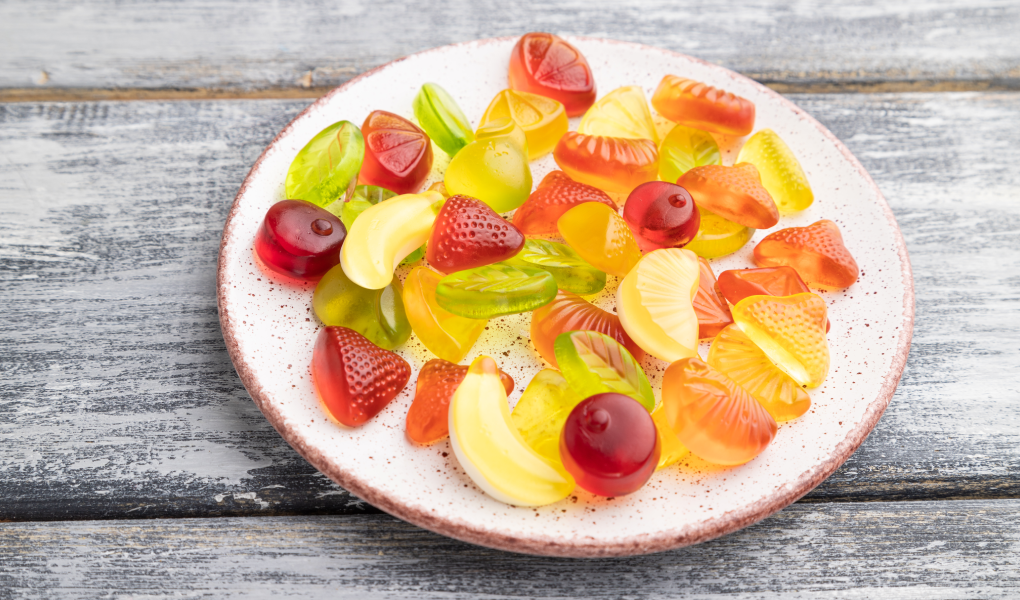
- Gelatin: Widely used in gummies, marshmallows, and yogurts. It is often derived from pig skins or non-Dhabihah cattle. Unless specified as Halal or vegetable-based (like agar-agar), it is a major concern.
- Lard/Animal Fat: Found in biscuits, pie crusts, and traditional pastries. It is often used for its texture but is strictly Haram if sourced from pigs.
- Enzymes and Rennet: Used in the production of cheese and bread. Rennet is often sourced from the stomachs of calves. If the calf was not slaughtered according to Halal standards, the rennet—and consequently the cheese—may be problematic.
- L-Cysteine: An amino acid used as a dough conditioner in breads. It can be sourced from human hair, duck feathers, or synthetic materials. The source determines its permissibility.
Practical Tips for the Halal Consumer
Living a Halal lifestyle in a non-Halal majority environment requires diligence. Here are some actionable steps:
- Learn the E-Numbers: Familiarize yourself with common E-numbers that are often animal-based.
- Look for Halal Logos: Trustworthy certification bodies (like HMC, ISNA, or IFANCA) conduct rigorous audits so you don’t have to.
- Contact Manufacturers: If you are unsure about a specific brand of bread or cereal, don’t hesitate to email the company and ask about the source of their emulsifiers or enzymes.
- Focus on Whole Foods: By cooking with fresh fruits, vegetables, grains, and Halal-certified meats, you significantly reduce the risk of consuming something Haram.
Conclusion
The journey of understanding Halal vs Haram ingredients is a path of mindfulness. It is about choosing to nourish your body with what is pure and being aware of the impact our choices have on our spiritual well-being. By staying informed and prioritized Halal principles, you honor the guidelines set by our Creator and ensure a healthy, ethical lifestyle for your family.