
Introduction
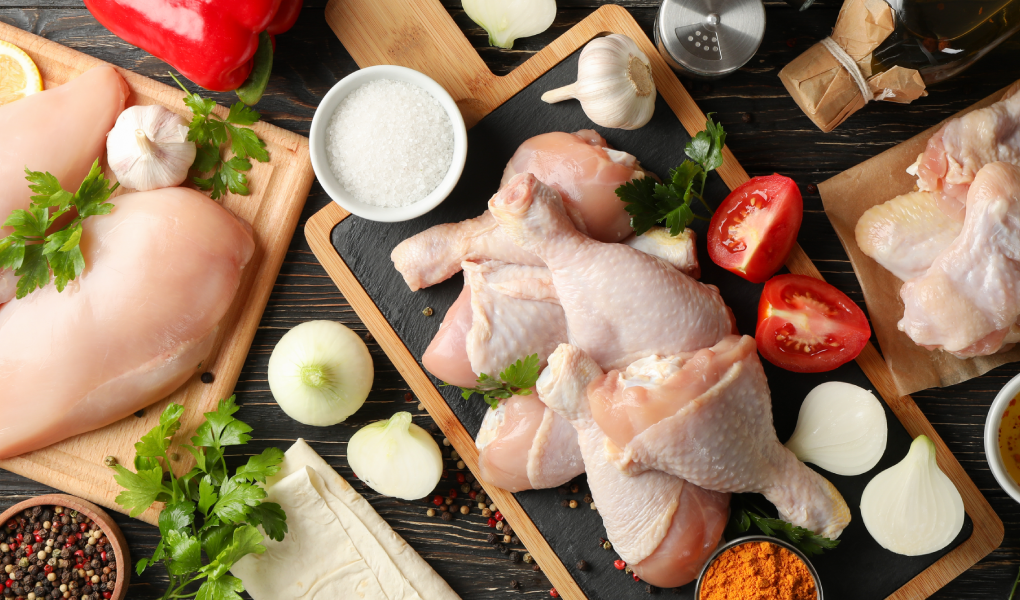
When you walk into a grocery store or a restaurant, the label “chicken” seems simple enough. However, for a Muslim consumer, there is a world of difference between Halal chicken and conventional chicken. This difference is not just about a label; it spans ethical treatment, spiritual commitment, and physical quality. Understanding these nuances is essential for anyone who wants to ensure their meals are truly pure and permissible.
Conventional chicken production is often focused on high volume and speed, frequently at the expense of animal welfare and ritual attention. Halal chicken, on the other hand, follows a strict protocol that honors the life of the bird and respects the Creator. In this article, we will compare these two methods, looking at the slaughtering process, the hygiene standards, and the ethical foundations that set Halal chicken apart.
The Ritual Process (Dhabihah vs Industrial)
The primary difference lies in the method of slaughter. Conventional chicken is often processed using high-speed mechanical lines where birds are stunned in an electric water bath and then decapitated by a rotating blade. In this system, there is no spiritual intention, and the connection between the life taken and the Giver of life is lost.
Halal chicken (Zabihah) must be slaughtered by a Muslim who recites the Tasmiyah (Bismillahi Allahu Akbar). This act transforms the slaughter from a mechanical killing into a sacred trust. The cut is made manually or under strict Muslim supervision to ensure that the main vessels are severed, allowing for the maximum drainage of blood—a medium that Islam considers impure and carries bacteria.
Animal Welfare and Ethics
Islam mandates mercy to all creatures. This means that a Halal-certified chicken should ideally be raised in conditions that allow it to live naturally and without stress. Conventional farming often involves extreme overcrowding and the use of growth-promoting hormones to maximize profit. While not all Halal chicken is “organic” or “free-range,” the spirit of Halal demands a higher level of compassion. Choosing Halal is often a step toward supporting a more ethical food chain that values life over mere industrial throughput.
Hygiene and Physical Purity
One of the most practical benefits of the Halal method is the drainage of blood. Since blood is a primary growth medium for microbes and carries toxins, its removal makes the meat physically cleaner. Conventional processing often leaves more blood in the vessels, which can affect the taste and reduce the shelf life of the meat. Many consumers, regardless of faith, prefer Halal chicken for its perceived cleaner taste and superior hygiene, recognizing that the ritual steps lead to a more wholesome product.
Conclusion
Halal chicken is more than just “pork-free”; it is a standard of purity, ethics, and spirituality. By choosing Halal over conventional chicken, you are opting for a method that honors the animal, cleanses the meat, and keeps your dietary habits aligned with Islamic principles. It is a choice for quality—for the body and the soul. As we navigate the modern food system, prioritizing these traditional values ensures that what we provide for our families is truly good and permissible.