
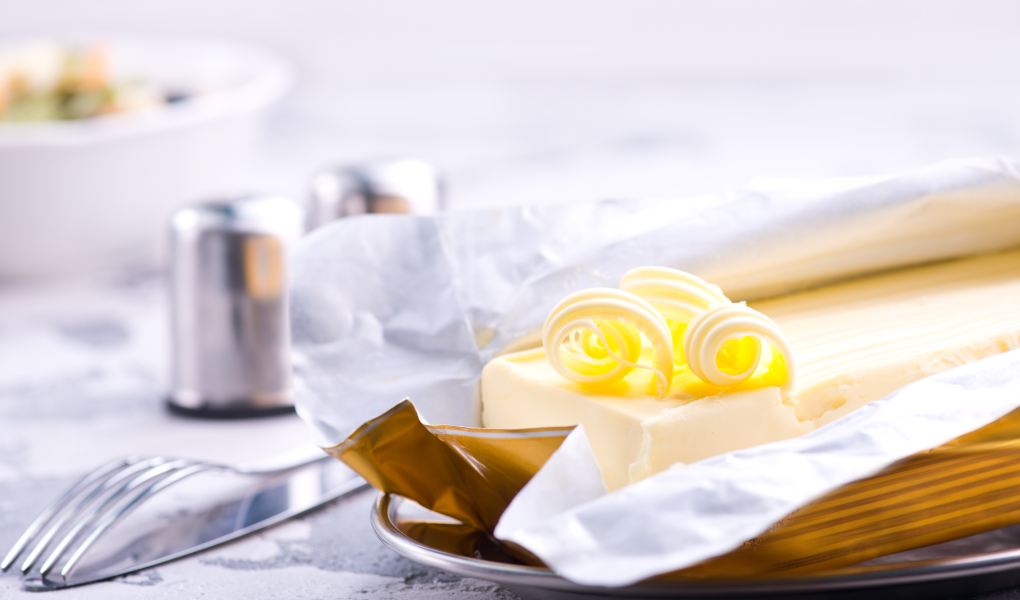
Butter is a staple in kitchens around the world, used for cooking, baking, and spreading on bread. However, when it comes to halal compliance and health, not all butter is created equal. Some types of butter may contain additives, enzymes, or processing agents that make them non-halal, while others meet both halal and wholesome (tayyib) standards.
At Halal Edible, we explore the differences between halal butter and processed butter, helping you make informed decisions that align with your dietary, ethical, and religious values.
What Is Halal Butter?
Halal butter is butter that is permissible under Islamic law. Key characteristics include:
- Source of Cream: Derived from milk that does not contain haram substances.
- Processing Agents: Any enzymes, cultures, or additives used are halal-certified.
- Animal-Derived Ingredients: If butter contains rennet or other animal-derived ingredients, they must come from halal sources.
- Certification: Often carries a recognized halal logo from authorities like JAKIM, IFANCA, or HFA.
Halal butter ensures religious compliance while maintaining the natural purity of dairy.
What Is Processed Butter?
Processed butter refers to commercially produced butter that may include:
- Emulsifiers or Stabilizers: To improve texture and shelf life.
- Artificial Flavorings: Such as vanilla or diacetyl.
- Non-Halal Enzymes: Rennet or other animal-derived ingredients that are not halal-certified.
- Preservatives: To extend shelf life and prevent spoilage.
While processed butter is widely available and convenient, it may not always be halal depending on the source of additives and enzymes.
Key Differences Between Halal Butter and Processed Butter
| Feature | Halal Butter | Processed Butter |
|---|---|---|
| Religious Compliance | Fully halal, free from haram ingredients | May contain haram enzymes, additives, or processing agents |
| Additives | Minimal, natural, or halal-certified | May include artificial flavorings, emulsifiers, and preservatives |
| Processing | Simple and natural | Heavily processed for shelf life and texture |
| Certification | Certified by recognized halal authorities | Often not halal-certified |
| Taste & Quality | Pure, natural, and creamy | May have altered flavor or artificial taste |
| Health Considerations | Wholesome, free from non-halal chemicals | May contain additives, preservatives, or non-halal enzymes |
Summary: Halal butter prioritizes religious compliance and natural purity, while processed butter emphasizes commercial convenience, shelf life, and texture, sometimes at the cost of halal compliance.
Why Halal Butter Is Preferable
1. Ensures Religious Compliance
- Halal butter guarantees that all ingredients and processing methods follow Islamic law.
- Avoids hidden haram sources like rennet, animal-derived stabilizers, or alcohol-based flavorings.
2. Wholesome and Tayib
- Halal butter often avoids artificial additives, ensuring it is pure and wholesome.
- Aligns with the Islamic principle of consuming tayyib foods, which are beneficial for health.
3. Safe for Cooking and Baking
- Halal-certified ingredients reduce the risk of contaminants or non-halal derivatives in meals.
- Particularly important in dishes that rely heavily on butter, such as baked goods or creamy sauces.
4. Transparent Sourcing
- Halal butter brands disclose ingredient sources and processing methods, increasing consumer confidence.
- Processed butter may not provide this transparency.
Potential Issues With Processed Butter
- Hidden Haram Ingredients: Non-halal rennet, enzymes, or stabilizers may be present.
- Artificial Additives: Flavorings, preservatives, or colorings can be non-halal or unhealthy.
- Cross-Contamination: Produced in facilities that handle haram ingredients without proper separation.
- Health Concerns: Excessive processing may involve hydrogenated fats, which are less wholesome.
Even if labeled “halal” on processed butter, verification of certification is necessary.
Tips for Choosing the Right Butter
- Check for Halal Certification
- Look for recognized halal logos like JAKIM, IFANCA, HFA, or other trusted authorities.
- Verify the certification on the brand’s website if in doubt.
- Read the Ingredients List
- Avoid butter with artificial flavorings, rennet of unknown origin, or unnecessary emulsifiers.
- Prefer simple ingredients: cream, salt (optional), and natural cultures.
- Opt for Minimally Processed Butter
- Natural, unsalted butter is often closer to tayyib principles.
- Processed butter may have added chemicals that compromise purity.
- Consider Organic Halal Butter
- Combines halal compliance with organic farming practices, ensuring chemical-free, ethically sourced butter.
- Avoid Bulk or Store-Brand Processed Butter Without Verification
- Convenience should not come at the cost of halal compliance.
Halal Butter in Everyday Use
- Cooking: Ideal for frying, sautéing, and making sauces.
- Baking: Maintains authentic flavor and texture in cakes, cookies, and pastries.
- Spreading: Wholesome, creamy butter is perfect on bread and toast.
- Gifting: Halal-certified butter makes a thoughtful gift for family, friends, or religious occasions.
Tip: Combining halal butter with other tayyib ingredients like fresh milk, eggs, and flour enhances both flavor and compliance.
Conclusion
While butter may seem simple, the difference between halal butter and processed butter is significant for both religious and health-conscious consumers.
- Halal butter ensures faith compliance, purity, and transparency, aligning with both halal and tayyib principles.
- Processed butter, while convenient, may include hidden haram additives, enzymes, or artificial substances that compromise religious observance and health.
At Halal Edible, we recommend:
- Prioritizing halal-certified butter for everyday use.
- Reading labels carefully to ensure all ingredients are permissible.
- Choosing minimally processed or organic options whenever possible.
- Being mindful of additives in processed butter to maintain wholesome and ethical consumption.
By choosing halal butter over processed alternatives, you ensure that your food is faithful to Islamic dietary laws, wholesome for the body, and ethically sourced, reflecting mindfulness in every meal.