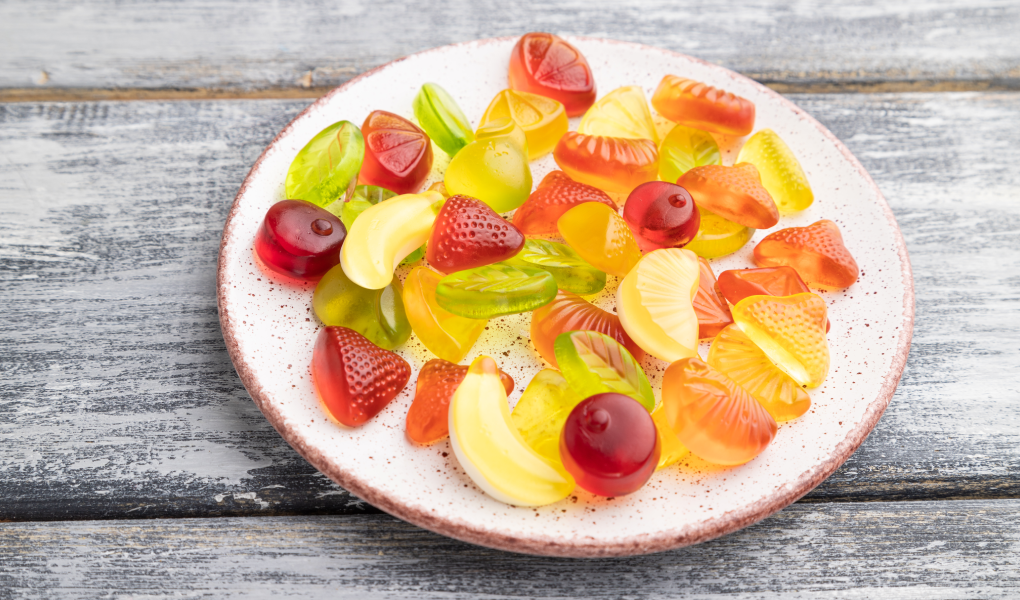

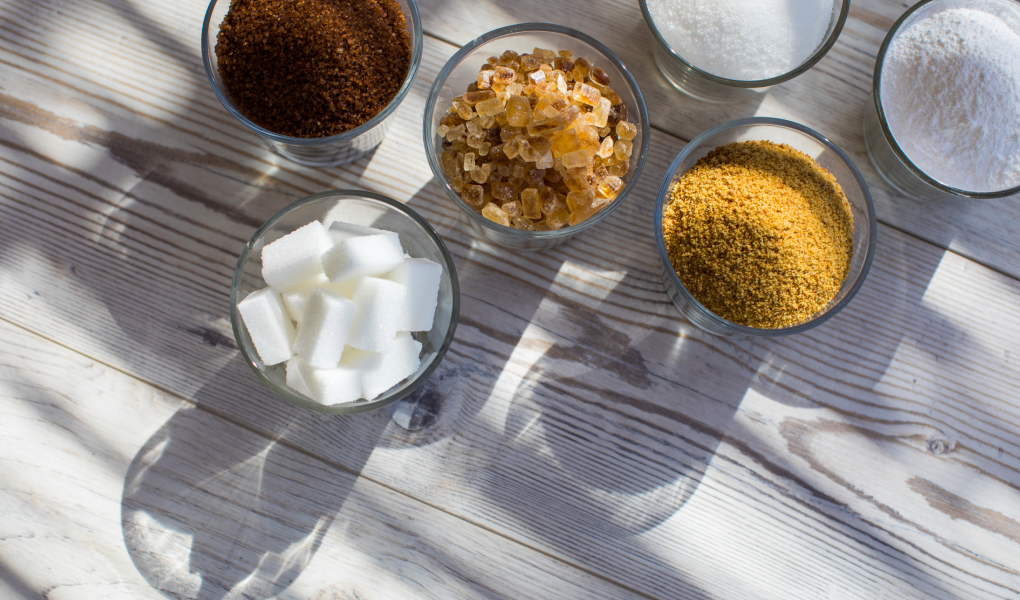
Refined sugar is found in almost every kitchen and packaged food. While it makes desserts and beverages taste delightful, excessive sugar consumption is linked to obesity, diabetes, and other health concerns. For halal-conscious families, it’s also essential to ensure that sweeteners are permissible under Islamic dietary laws.
At Halal Edible, we believe that choosing natural, halal-friendly alternatives to refined sugar can make meals healthier without compromising on taste. This guide explores the best halal sugar alternatives, their benefits, and practical ways to use them in everyday cooking.
Why Limit Refined Sugar?
Refined sugar is typically extracted from sugarcane or sugar beets and heavily processed. Although it provides energy, it has little nutritional value. Excessive consumption can lead to:
- Weight Gain: Empty calories contribute to increased fat storage.
- Blood Sugar Spikes: Rapid glucose absorption can affect insulin regulation.
- Dental Issues: Sugar feeds bacteria that cause cavities and tooth decay.
- Chronic Health Risks: Over time, high sugar intake is linked to diabetes, heart disease, and inflammation.
Switching to halal-friendly alternatives can reduce these risks while keeping meals sweet and enjoyable.
Key Criteria for Halal Sugar Alternatives
When selecting sugar substitutes, consider:
- Halal Compliance: Ensure the sweetener is plant-based or sourced from halal animals and free of non-permissible additives.
- Nutritional Value: Look for sweeteners that provide vitamins, minerals, or antioxidants.
- Glycemic Impact: Choose options with a low effect on blood sugar levels for better energy balance.
- Taste and Use: Consider flavor, texture, and suitability for cooking or baking.
Halal-Friendly Sugar Alternatives
Here’s a list of natural, halal sweeteners suitable for everyday use:
1. Honey
Source: Nectar from flowers, produced by bees
Halal Status: Permissible in Islam as long as it is pure and uncontaminated
Benefits:
- Rich in antioxidants and trace vitamins
- Naturally antibacterial and soothing for the throat
- Provides a natural, mellow sweetness
Usage Tips:
- Sweeten tea, smoothies, or oatmeal
- Replace sugar in baking, using ¾ cup honey for every cup of sugar
- Adjust liquid in recipes as honey adds moisture
2. Date Syrup / Date Sugar
Source: Dates, a staple in Middle Eastern cuisine
Halal Status: Naturally halal
Benefits:
- Contains fiber, potassium, and antioxidants
- Low glycemic index compared to refined sugar
- Offers rich caramel-like flavor
Usage Tips:
- Sweeten desserts, smoothies, or porridge
- Use date syrup as a natural topping for pancakes or yogurt
- Ideal for baking recipes that pair well with a fruity, caramel taste
3. Coconut Sugar
Source: Sap from coconut palm flower buds
Halal Status: Plant-based and halal
Benefits:
- Contains small amounts of minerals like iron, zinc, and calcium
- Lower glycemic index than refined sugar
- Adds mild caramel flavor to dishes
Usage Tips:
- Use in baked goods, coffee, or sauces
- Substitute 1:1 for white sugar in recipes
- Avoid high-heat cooking to preserve nutrients
4. Stevia
Source: Leaves of the Stevia rebaudiana plant
Halal Status: Halal if free from non-permissible additives
Benefits:
- Zero-calorie sweetener suitable for weight management
- Does not spike blood sugar levels, suitable for diabetics
- Safe for beverages, desserts, and some baked goods
Usage Tips:
- Use liquid or powdered forms depending on recipe
- Combine with other sweeteners in baking for bulk and texture
- Adjust amounts carefully—stevia is much sweeter than sugar
5. Molasses
Source: Byproduct of sugarcane processing
Halal Status: Halal if sourced from permissible plants
Benefits:
- Rich in iron, calcium, and potassium
- Provides deep, robust sweetness and dark color
- Good for heart and bone health
Usage Tips:
- Use in gingerbread, marinades, or smoothies
- Combine with other sweeteners to balance strong flavor
- Can replace part of sugar in baking for a nutrient boost
6. Maple Syrup
Source: Sap of maple trees
Halal Status: Naturally halal
Benefits:
- Contains antioxidants and minerals such as manganese and zinc
- Low glycemic index compared to refined sugar
- Adds a unique, sweet flavor to foods
Usage Tips:
- Drizzle over pancakes, waffles, or oatmeal
- Use in salad dressings or baked goods
- Adjust liquid in recipes to account for syrup’s moisture
7. Fruit Purees
Source: Natural fruits like bananas, apples, or berries
Halal Status: Plant-based and halal
Benefits:
- Adds natural sweetness with fiber, vitamins, and antioxidants
- Reduces need for refined sugar
- Enhances flavor and moisture in baked goods
Usage Tips:
- Mash bananas for muffins, cakes, or pancakes
- Use apple sauce as a substitute for sugar or fat in baking
- Blend berries into smoothies or sauces for natural sweetness
Tips for Using Halal Sugar Alternatives
- Experiment Gradually: Replacing sugar entirely can change taste and texture. Start with partial substitutions.
- Adjust Recipes: Liquid sweeteners like honey, maple syrup, or molasses may require reducing other liquids.
- Combine Sweeteners: Mixing natural sweeteners can balance flavor and texture.
- Monitor Portions: Even natural sweeteners contain calories and sugar; moderation is key.
- Check Labels: Ensure commercially processed sweeteners are halal-certified and free from non-permissible additives.
Benefits of Switching to Halal Sugar Alternatives
- Better Blood Sugar Control: Options like stevia and date sugar reduce glucose spikes.
- More Nutrients: Honey, molasses, and coconut sugar provide trace minerals and antioxidants.
- Dental Health: Alternatives like stevia do not promote tooth decay.
- Halal Compliance: Ensures all sweeteners align with Islamic dietary law.
- Healthier Lifestyle: Reducing refined sugar supports weight management and long-term health.
Practical Ideas for Daily Use
- Sweeten morning tea or coffee with stevia or honey.
- Add date syrup or fruit puree to oatmeal or yogurt for breakfast.
- Bake cakes and muffins using coconut sugar or mashed bananas instead of refined sugar.
- Use maple syrup or molasses in smoothies, sauces, or marinades.
- Make halal desserts like energy balls using a mix of dates, nuts, and coconut oil for natural sweetness.
Final Thoughts
Refined sugar is a common ingredient, but it is not the only option for sweetening foods. Halal-conscious families can benefit from a variety of natural sugar alternatives that are healthier, nutrient-rich, and permissible under Islamic law.
Top halal alternatives include:
- Honey
- Date syrup and date sugar
- Coconut sugar
- Stevia
- Molasses
- Maple syrup
- Fruit purees
By incorporating these sweeteners thoughtfully, families can enjoy delicious, halal-friendly meals and desserts while reducing health risks associated with refined sugar. Choosing halal, natural sweeteners ensures both nutritional benefits and compliance with dietary laws, helping you maintain a healthier, mindful lifestyle.