
For Muslims following a halal diet, avoiding alcohol is a fundamental requirement. While it’s easy to avoid alcoholic drinks, many everyday foods may contain hidden alcohol—either as an ingredient, additive, or flavoring agent. This can be confusing and risky for those trying to maintain halal and tayyib eating habits.
At Halal Edible, we explore which foods may contain hidden alcohol, why it is present, and practical strategies to ensure your meals remain wholesome, halal, and safe.
Why Alcohol Appears in Foods
Alcohol is used in food production for several purposes:
- Flavor Enhancement: Alcohol extracts flavors from fruits, spices, and herbs, making dishes or beverages more aromatic.
- Preservation: Alcohol can act as a natural preservative, extending shelf life.
- Fermentation: Yeast and bacteria produce alcohol during the fermentation of certain foods, like bread or kombucha.
- Cooking Ingredients: Wine, beer, or spirits may be included in recipes to tenderize meat or deglaze pans.
Even small amounts of alcohol are haram for Muslims, and cooking does not always eliminate it completely.
Common Foods That May Contain Hidden Alcohol
1. Vanilla Extract
- Why It Contains Alcohol: Most vanilla extracts are made by soaking vanilla beans in alcohol to extract flavor.
- Halal Concern: Even small amounts of alcohol make the product haram.
- Halal Alternative: Alcohol-free vanilla extracts or vanilla powder.
2. Certain Sauces and Marinades
- Examples: Soy sauce, Worcestershire sauce, teriyaki sauce, hoisin sauce.
- Why It Contains Alcohol: Alcohol may be used as a preservative or for flavor enhancement.
- Halal Tip: Look for halal-certified sauces or make homemade versions using vinegar, molasses, and spices.
3. Bakery Products
- Examples: Croissants, pastries, and certain breads.
- Why It Contains Alcohol: Some baked goods use alcohol-containing flavorings, glazes, or fermented ingredients.
- Halal Tip: Choose halal-certified bakeries or bake at home using alcohol-free ingredients.
4. Fermented Foods
- Examples: Kombucha, kefir, miso, pickles, sauerkraut.
- Why It Contains Alcohol: Fermentation naturally produces small amounts of ethanol.
- Halal Tip: Check labels for ethanol content or choose certified halal fermented products.
5. Desserts and Confections
- Examples: Tiramisu, rum cakes, truffles, fruitcakes.
- Why It Contains Alcohol: Recipes often call for wine, rum, brandy, or liqueurs.
- Halal Tip: Use fruit juices, syrups, or non-alcoholic extracts as substitutes.
6. Pre-Packaged or Processed Foods
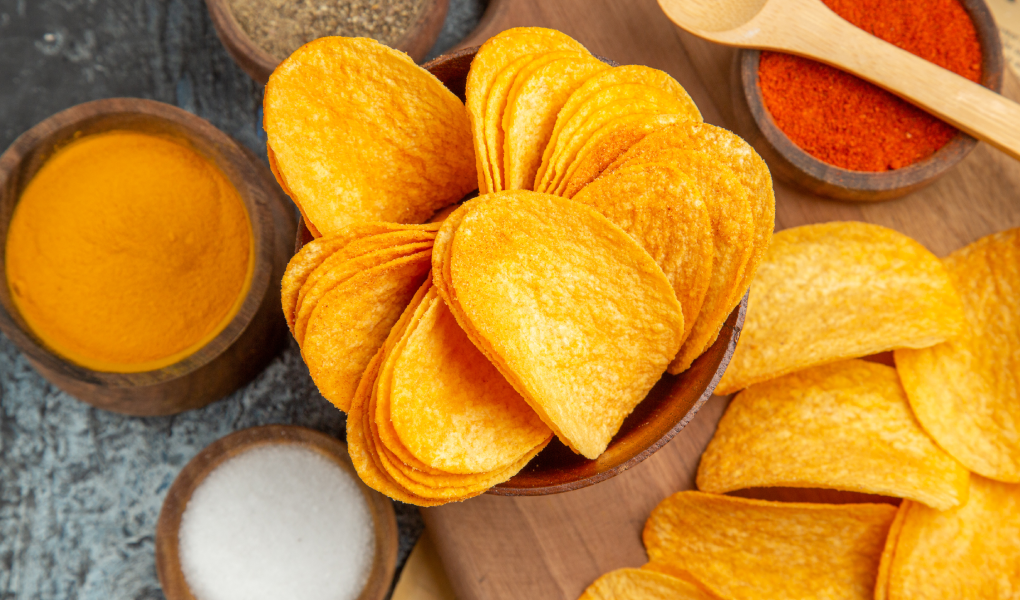
- Examples: Flavored chips, ready-made sauces, canned soups, instant noodles.
- Why It Contains Alcohol: Artificial flavorings may contain alcohol as a solvent.
- Halal Tip: Check ingredients for terms like “alcohol,” “ethanol,” or “ethyl alcohol,” and choose halal-certified brands.
7. Non-Alcoholic Beverages
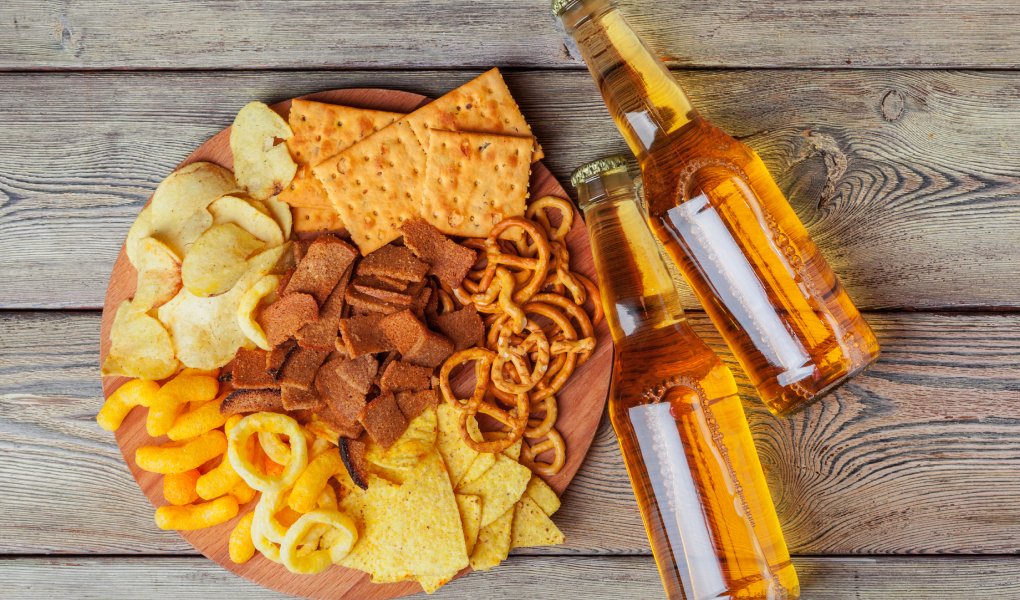
- Examples: Non-alcoholic beers, flavored waters, some soft drinks.
- Why It Contains Alcohol: Small traces may remain from fermentation or flavoring agents.
- Halal Tip: Opt for beverages with clear halal certification.
How to Identify Hidden Alcohol in Foods
- Read Ingredient Labels Carefully
- Look for alcohol, ethanol, wine, rum, brandy, or liqueur.
- Be cautious of vague terms like “natural flavors,” “flavor extract,” or “aroma” as they may contain alcohol.
- Check for Halal Certification
- A halal-certified product ensures no alcohol, pork, or haram additives were used.
- Ask Manufacturers or Sellers
- Contact food companies if the label is unclear, especially for imported or packaged products.
- Avoid Alcohol-Based Flavorings in Cooking
- Replace with fruit juices, syrups, vinegar, or alcohol-free extracts.
Why Even Small Amounts Matter
- Islamic law prohibits consuming any intoxicating substance, even in trace amounts.
- Alcohol in cooking or flavoring may not cause intoxication, but it is still considered haram.
- Avoiding foods with hidden alcohol ensures spiritual compliance and ethical eating.
Practical Tips to Avoid Hidden Alcohol in a Halal Diet
1. Cook at Home
- Prepare meals using fresh, halal-certified ingredients.
- Avoid pre-made sauces, glazes, or marinades with alcohol.
2. Use Halal Substitutes
| Hidden Alcohol Ingredient | Halal Substitute |
|---|---|
| Vanilla extract | Alcohol-free vanilla or vanilla powder |
| Wine or beer in recipes | Fruit juice, vinegar, or halal cooking wine |
| Rum or brandy in desserts | Molasses, maple syrup, or fruit juice |
| Alcohol-based sauces | Homemade or halal-certified sauces |
3. Choose Whole and Minimally Processed Foods
- Fresh fruits, vegetables, whole grains, legumes, and halal meats are naturally alcohol-free.
4. Educate Yourself About Food Labels
- Watch for ingredients like ethanol, ethyl alcohol, or flavor extracts.
- Verify the product through halal certification organizations.
5. Prefer Sunnah and Tayyib Foods
- Dates, honey, olives, black seed, barley, and fresh produce are naturally wholesome and alcohol-free.
Conclusion
Hidden alcohol in food is a subtle but important concern for Muslims seeking a halal and tayyib diet. Many common foods—including vanilla extract, sauces, baked goods, desserts, and fermented items—can contain small amounts of alcohol, making them haram.
At Halal Edible, we recommend:
- Carefully reading labels and checking for hidden alcohol.
- Choosing halal-certified ingredients for cooking and baking.
- Using natural, alcohol-free substitutes in recipes.
- Prioritizing whole, minimally processed foods.
- Incorporating Sunnah foods to enhance both nutrition and spirituality.
By being vigilant about hidden alcohol, Muslims can maintain spiritual compliance, ethical responsibility, and holistic health, ensuring that every meal is truly wholesome, halal, and tayyib.