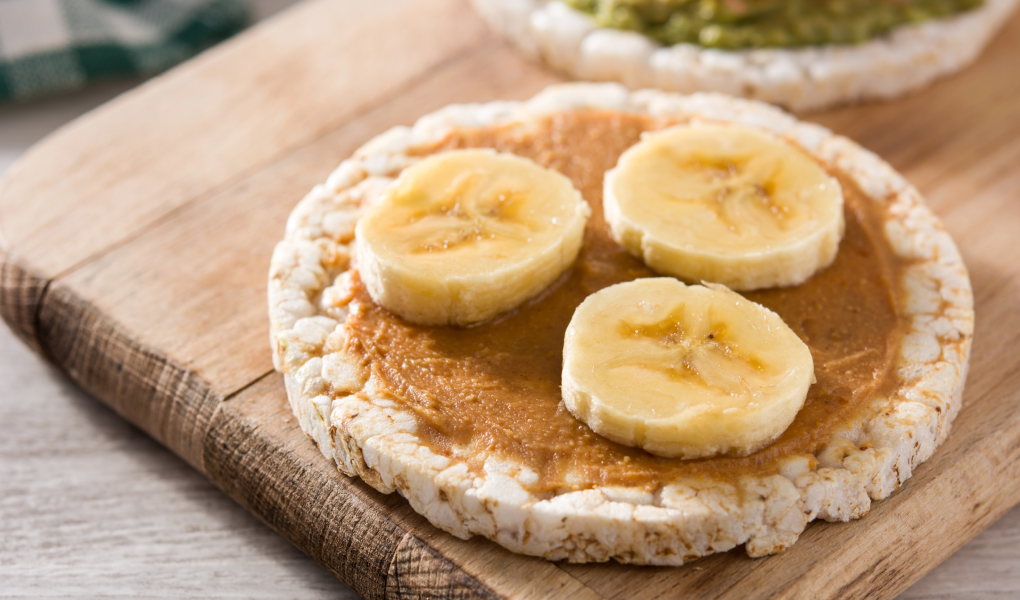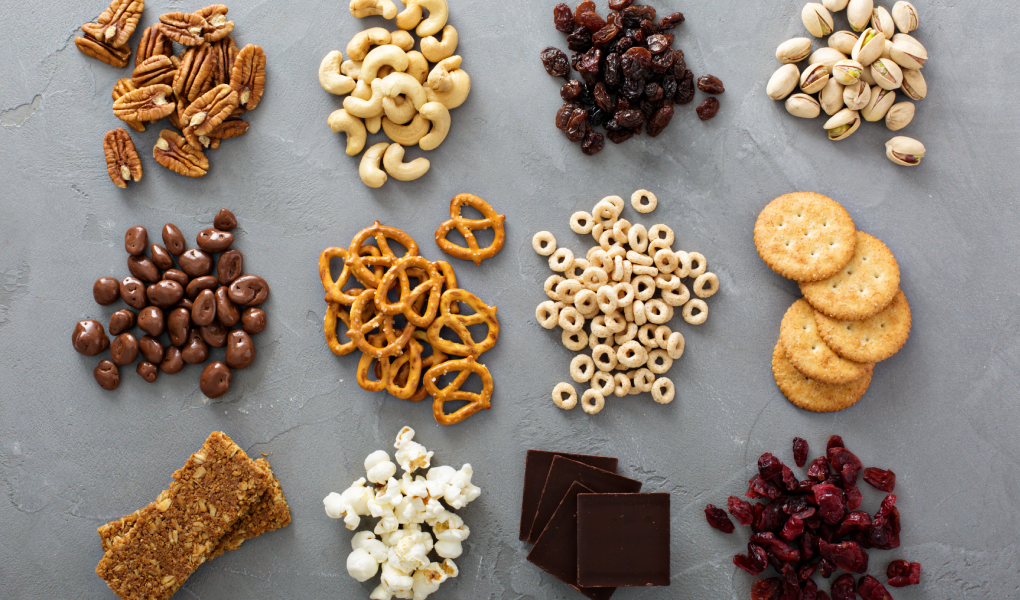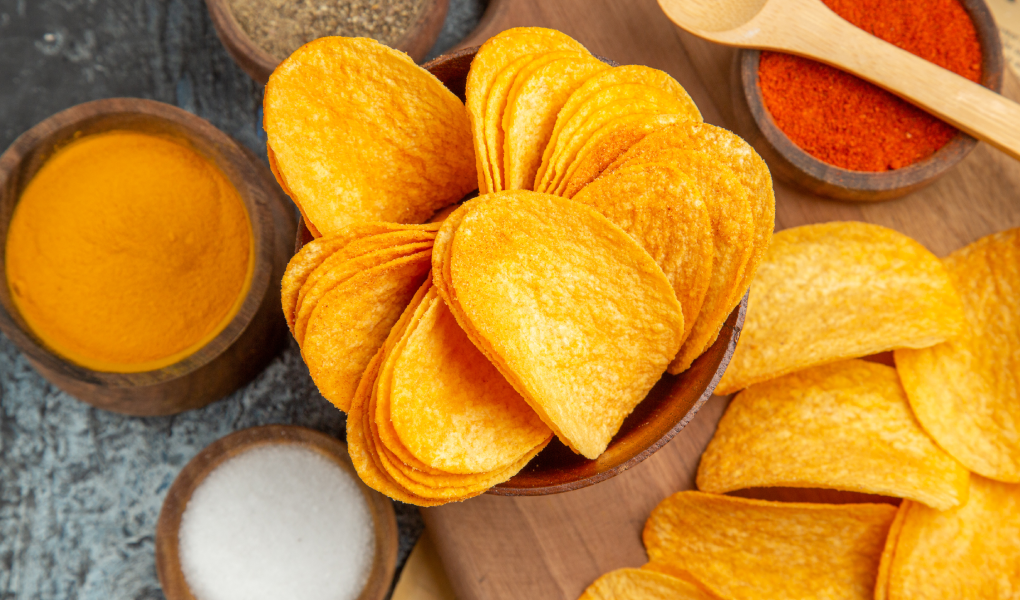

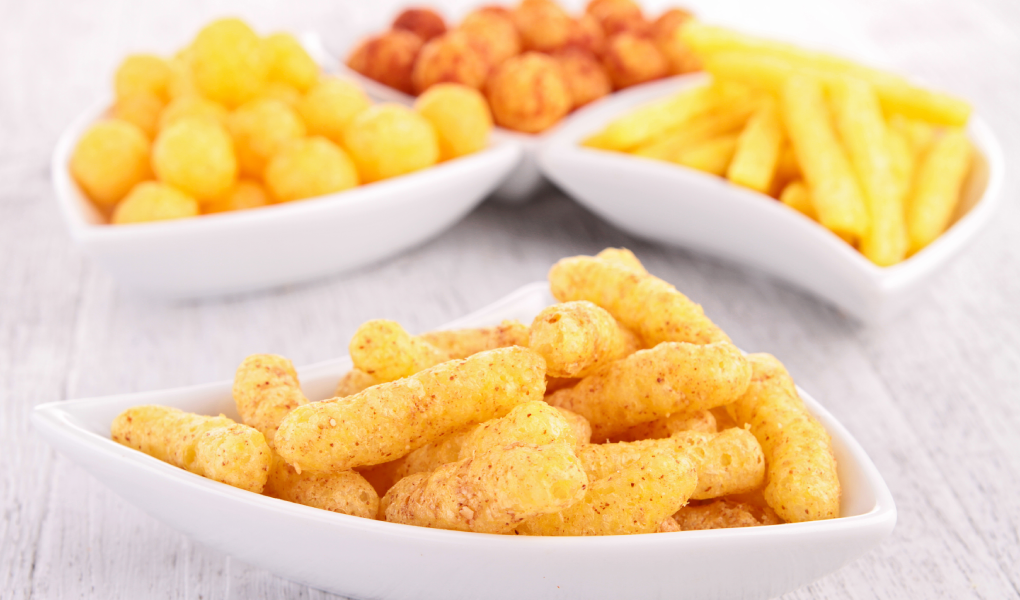
Snacks are a staple in many households, especially for busy families and children. From chips and cookies to candies and flavored nuts, snacks rely heavily on flavor additives to make them appealing and enjoyable. But what exactly are these additives, how are they made, and are they halal?
At Halal Edible, we explore flavor additives in snacks, their types, production methods, health considerations, and halal compliance, helping you make informed choices for your family.
What Are Flavor Additives?
Flavor additives are substances added to food to enhance, imitate, or modify its taste and aroma. They are used in small amounts but have a major impact on the overall flavor experience.
In snacks, flavor additives can:
- Enhance the natural taste of ingredients
- Mask undesirable flavors from processing
- Replicate popular or seasonal flavors
- Maintain consistent taste across batches
Tip: Flavor additives are different from seasoning or spices—they are technically concentrated compounds designed for flavor impact.
Types of Flavor Additives
Flavor additives can be broadly classified into three categories:
1. Natural Flavor Additives
- Extracted directly from plants, fruits, herbs, or animal sources
- Methods include steam distillation, solvent extraction, cold pressing, or enzymatic extraction
- Examples in snacks:
- Vanilla extract in cookies
- Citrus oils in candies
- Cocoa or coffee flavor in baked goods
Benefits: Considered safer and often more appealing to consumers seeking natural foods.
Considerations: Cost is higher and shelf life may be shorter than synthetic flavors.
2. Synthetic Flavor Additives
- Produced chemically in a laboratory to mimic natural flavors
- Commonly used in mass-produced snacks because they are cost-effective, stable, and consistent
- Examples:
- Vanillin (vanilla flavor)
- Ethyl butyrate (pineapple flavor)
- Methyl anthranilate (grape flavor)
Benefits: Long shelf life, consistent taste, and easy to use in industrial production.
Considerations: May be perceived as “artificial,” though regulated for safety.
3. Nature-Identical Flavor Additives
- Chemically identical to natural flavors but produced via lab synthesis or fermentation
- Combine the stability of synthetic flavors with the taste of natural ones
- Often used in candies, chips, and flavored beverages
Tip: Nature-identical flavor additives are increasingly used to replace expensive or rare natural extracts.
How Flavor Additives Are Used in Snacks
Flavor additives in snacks serve multiple purposes:
1. Enhancing Taste
- Elevate bland or processed ingredients
- Examples: Cheese flavor in chips, chocolate flavor in biscuits
2. Masking Off-Flavors
- Snacks may contain oils, preservatives, or fillers that produce undesirable tastes
- Flavor additives mask these to maintain a pleasant eating experience
3. Imitating Popular or Exotic Flavors
- Allows snacks to mimic flavors that are expensive or seasonal
- Examples: Strawberry milkshake-flavored chips, cola-flavored candies
4. Maintaining Consistency
- Flavor additives ensure uniform taste across batches, crucial for mass production
Tip: Even small amounts of flavor additives can drastically improve snack appeal.
Health Considerations of Flavor Additives
While flavor additives are generally safe when used in regulated amounts, there are some considerations:
- Regulation: FDA, EFSA, and other authorities approve additives for safety
- Allergy Risk: Some natural or synthetic additives may contain trace allergens
- Artificial vs. Natural: Synthetic additives do not provide nutritional value but are not inherently harmful in moderation
- Balanced Diet: Snacks with flavor additives should be part of a balanced diet with fresh fruits, vegetables, and whole foods
Tip: Moderation is key—flavored snacks are enjoyable but should not replace nutrient-rich meals.
Halal Considerations for Flavor Additives
For halal-conscious consumers, the source and processing of flavor additives matter.
1. Source of Ingredients
- Additives derived from haram animals (like pork) or non-halal meat) are not permissible
- Plant-derived additives are generally halal, but verification is essential
2. Alcohol Use
- Some natural flavors use alcohol as a solvent
- Halal-certified products either eliminate alcohol or comply with permissible limits
3. Cross-Contamination
- Facilities may process both halal and non-halal products
- Trusted halal certification ensures no cross-contact with haram ingredients
4. Certification
- Look for IFANCA, HFC, ISA, or other recognized halal logos
- Certification ensures all flavor additives and final products are halal
Tip: Always check snack packaging for halal certification, especially for candies, chips, and baked goods with flavor additives.
Common Flavor Additives in Snacks
Here are some frequently used flavor additives and their sources:
| Flavor Additive | Source | Common Use in Snacks |
|---|---|---|
| Vanillin | Synthetic or natural (vanilla bean) | Cookies, chocolates, candies |
| Ethyl Butyrate | Synthetic or nature-identical | Fruity candy, flavored drinks |
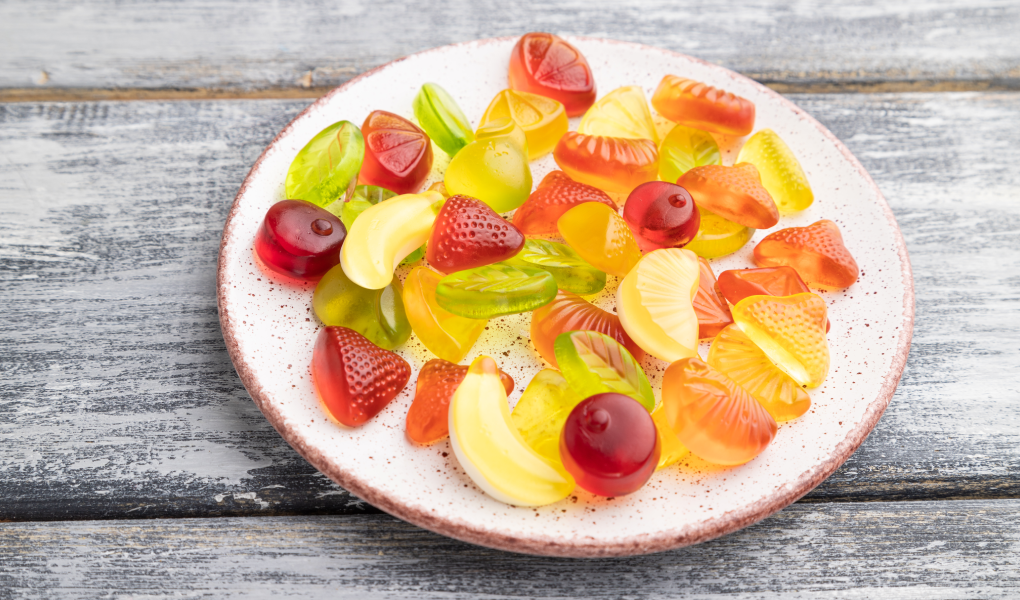
| Methyl Anthranilate | Synthetic | Grape-flavored gummies, drinks |
| Limonene | Citrus peel oil | Candies, gum, citrus-flavored chips |
| Maltol | Naturally occurring in malt or synthesized | Baked goods, chocolates |
Tip: Even natural flavor additives may be combined with synthetic compounds for stability and cost efficiency.
Tips for Parents and Consumers
- Check Halal Certification: Especially for flavored snacks, candies, and drinks
- Read Labels Carefully: Look for ingredient sources and potential alcohol use
- Moderate Snack Consumption: Flavor additives are safe in moderation but don’t replace whole foods
- Make Homemade Snacks: Use fruits, nuts, and spices for natural flavors
- Educate Kids: Teach children the difference between natural and synthetic flavor additives
Pros and Cons of Flavor Additives in Snacks
Pros
- Enhance taste and appeal
- Mask undesirable flavors
- Provide consistent taste across batches
- Enable creative and exotic flavors
Cons
- Do not add nutritional value
- May contain alcohol or non-halal sources if uncertified
- Some children may be sensitive to strong flavors
- Overuse can encourage preference for highly processed snacks
Tip: Balance is key—enjoy flavored snacks occasionally, alongside healthy meals.
Final Thoughts
Flavor additives are an integral part of modern snack production, allowing for taste, variety, and consistency. For halal consumers, the most important factors are source verification, halal certification, and ingredient transparency.
Key takeaways from Halal Edible:
- Flavor additives can be natural, synthetic, or nature-identical
- They are used to enhance, replicate, or maintain flavors in snacks
- Always choose halal-certified products to ensure compliance
- Moderation is essential for a balanced diet
- Homemade snacks with natural flavoring are a safe and nutritious alternative
By understanding flavor additives, halal-conscious families can enjoy tasty snacks safely, without compromising on health or dietary principles.