
In today’s fast-paced world, processed and packaged foods are a staple in many households. From ready-to-eat meals and baked goods to beverages and snacks, preservatives play a crucial role in keeping these foods safe, fresh, and flavorful. However, not all preservatives are created equal, and many consumers—especially halal-conscious individuals—want to know what preservatives are used, how they work, and whether they are safe and halal-friendly.
At Halal Edible, we aim to provide clarity and guidance on food ingredients. In this article, we will explain common food preservatives, their uses, benefits, health considerations, and halal compliance to help you make informed choices.
What Are Food Preservatives?
Food preservatives are substances added to prevent spoilage, maintain freshness, and extend the shelf life of foods. They work by:
- Inhibiting the growth of bacteria, yeast, and mold
- Preventing oxidation, which can cause fats to become rancid
- Maintaining color, texture, and flavor
- Reducing the risk of foodborne illnesses
Without preservatives, many packaged foods would spoil quickly, leading to waste and potential health risks.
Why Preservatives Are Important
Preservatives are essential in modern food production because:
- Shelf Life Extension: They help foods remain safe and edible during transportation and storage.
- Food Safety: Prevent growth of harmful microorganisms that can cause illness.
- Quality Maintenance: Preserve the texture, flavor, and appearance of foods.
- Convenience: Enable consumers to enjoy ready-to-eat or packaged foods without immediate spoilage.
Common Food Preservatives and Their Uses
Preservatives can be natural or artificial, each with specific functions. Below is a detailed guide to the most commonly used food preservatives.
1. Sodium Benzoate
Type: Artificial preservative
Function: Inhibits yeast, bacteria, and mold in acidic foods
Uses: Soft drinks, fruit juices, salad dressings, pickles
Halal Considerations: Sodium benzoate is chemically synthesized and generally halal. Halal certification ensures no alcohol-based solvents were used during production.
Health Notes: Considered safe within regulated limits. Excessive intake may cause mild allergic reactions in sensitive individuals.
2. Potassium Sorbate
Type: Artificial preservative
Function: Prevents mold and yeast growth
Uses: Cheese, yogurt, baked goods, fruit products
Halal Considerations: Typically halal. Check for certification to ensure processing methods comply with Islamic dietary standards.
Health Notes: Recognized as safe by food regulatory authorities worldwide.
3. Sulfites
Type: Chemical preservative
Function: Prevents browning, oxidation, and microbial growth
Uses: Dried fruits, wines, packaged vegetables, processed meats
Halal Considerations: Generally halal, but ensure no alcohol-based solvents or cross-contamination occurred.
Health Notes: May trigger asthma or allergic reactions in sensitive individuals. Always read labels if prone to sulfite sensitivity.
4. Nitrites and Nitrates
Type: Artificial preservative
Function: Prevent bacterial growth, maintain meat color, prevent spoilage
Uses: Sausages, bacon, hot dogs, deli meats
Halal Considerations: Halal if used in halal-certified processed meats. Non-halal or pork-based products are haram.
Health Notes: Excessive consumption of processed meats with nitrates may pose health risks due to potential nitrosamine formation.
5. BHA (Butylated Hydroxyanisole) and BHT (Butylated Hydroxytoluene)
Type: Artificial antioxidant preservatives
Function: Prevent oxidation of fats and oils
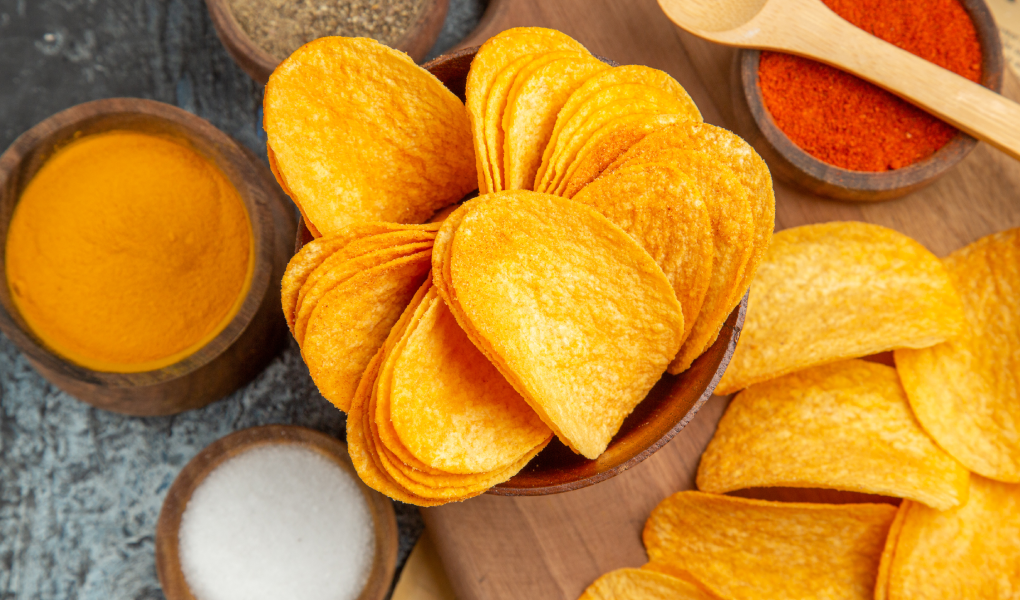
Uses: Snack foods, cereals, chips, baked goods
Halal Considerations: Synthetic and generally considered halal. Choose halal-certified brands for confirmation.
Health Notes: Approved for consumption in regulated amounts. Overconsumption should be avoided.
6. Ascorbic Acid (Vitamin C)
Type: Natural preservative
Function: Antioxidant; prevents oxidation and browning
Uses: Fruit juices, canned fruits, baked goods
Halal Considerations: Plant-based and halal-friendly
Health Notes: Safe and offers nutritional benefits as a vitamin.
7. Citric Acid
Type: Natural preservative
Function: Maintains acidity, prevents spoilage, enhances flavor
Uses: Beverages, jams, sauces, baked goods
Halal Considerations: Naturally derived from citrus fruits and halal-friendly
Health Notes: Safe and widely used in both home cooking and processed foods.
8. Rosemary Extract
Type: Plant-based antioxidant
Function: Prevents fat oxidation, maintains flavor and color
Uses: Meat products, oils, processed foods
Halal Considerations: Plant-derived and halal-friendly
Health Notes: Offers additional antioxidant benefits beyond preservation.
Health Considerations of Food Preservatives
While preservatives play a crucial role in food safety, overconsumption or sensitivity to certain preservatives may pose health concerns.
1. Allergic Reactions and Sensitivities
Some individuals may react to:
- Sulfites (causing asthma or skin reactions)
- Sodium benzoate (headaches or allergies)
2. Long-Term Health Concerns
Certain preservatives, such as nitrates in processed meats, may form compounds linked to health risks if consumed excessively.
3. Moderation is Key
For most people, preservatives are safe when consumed within recommended limits. Balanced eating and fresh foods reduce potential risks.
Halal Considerations for Food Preservatives
For halal-conscious consumers, the source and processing of preservatives are important:
- Plant-based and mineral-based preservatives are generally halal
- Animal-derived preservatives (e.g., gelatin, some enzymes) must come from halal-slaughtered animals
- Cross-contamination in processing facilities must be avoided
- Halal certification ensures compliance and peace of mind
Choosing halal-certified brands is the easiest way to ensure that preservatives in food products are permissible.
Natural vs. Artificial Preservatives
Consumers are increasingly seeking natural preservatives due to health and halal concerns.
Natural preservatives include:
- Salt and sugar
- Vinegar
- Lemon and citrus extracts
- Rosemary and other herbs
- Fermentation (yogurt, kimchi, pickles)
Artificial preservatives offer longer shelf life and are highly effective but may raise health or halal concerns if improperly sourced.
A balanced approach includes using natural preservatives where possible and choosing halal-certified processed foods for convenience.
Tips for Choosing Safer Preserved Foods
- Read Labels Carefully: Identify the type of preservative and check for potential allergens.
- Opt for Halal-Certified Products: Ensure all preservatives and ingredients comply with Islamic dietary laws.
- Choose Fresh and Minimally Processed Foods: Fresh foods often contain fewer preservatives.
- Prefer Natural Preservatives: Look for products using plant-based or mineral-based preservatives.
- Moderation: Balance processed foods with fresh, whole foods to minimize additive intake.
The Future of Food Preservation
The food industry is moving toward clean-label and naturally preserved products to meet consumer demand for health, safety, and halal compliance. Trends include:
- Plant-based antioxidant preservatives
- Fermentation-based preservation methods
- Advanced packaging techniques to reduce chemical additives
- Transparent labeling for halal consumers
These innovations make it easier to enjoy safe, fresh, and halal-friendly foods without compromising on quality.
Final Thoughts
Food preservatives are essential for modern food production, ensuring safety, quality, and convenience. Understanding the types of preservatives, their uses, health implications, and halal compliance helps consumers make informed choices.
At Halal Edible, we recommend:
- Choosing halal-certified products
- Preferring natural preservatives where possible
- Reading ingredient labels carefully
- Maintaining a balanced diet with fresh foods
By staying informed, halal-conscious consumers can enjoy safe, high-quality, and delicious foods while adhering to dietary and health guidelines.