
In the quest for healthier sugar alternatives, coconut sugar has gained popularity worldwide. From baking to beverages, many health-conscious individuals and diabetics are turning to this natural sweetener as a replacement for refined sugar. But what exactly is coconut sugar, how is it made, and is it really healthier than regular sugar? At Halal Edible, we break it all down for you.
What Is Coconut Sugar?
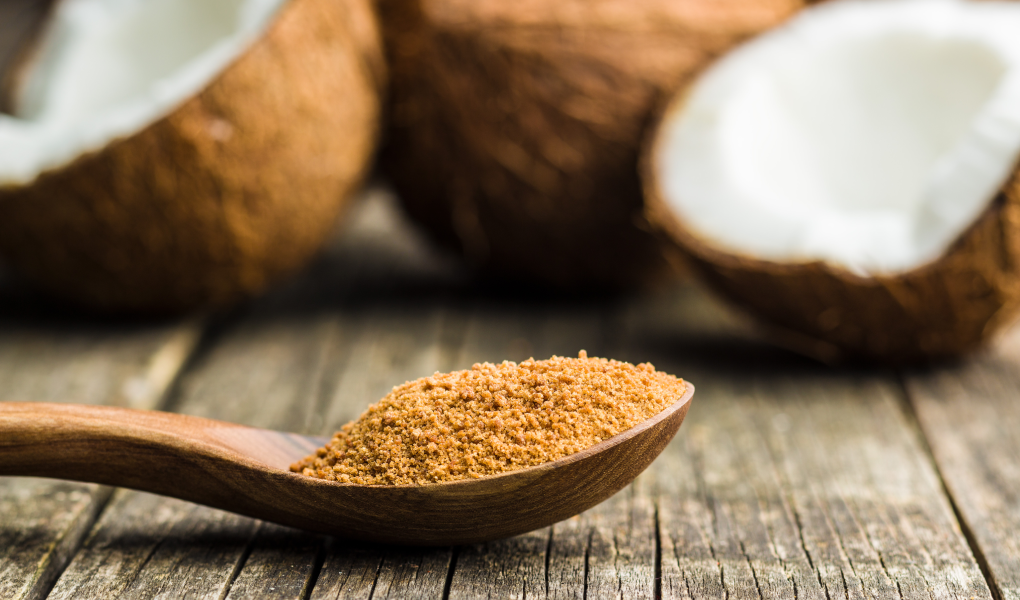
Coconut sugar, also called coconut palm sugar, is a natural sweetener derived from the sap of the flower buds of the coconut palm tree. Unlike refined white sugar, coconut sugar undergoes minimal processing and retains some of the nutrients naturally present in the coconut palm sap.
It has a rich, caramel-like flavor, making it a favorite for desserts, coffee, and baked goods. Coconut sugar is often promoted as a healthier alternative to table sugar due to its lower glycemic index and trace minerals.
How Is Coconut Sugar Made?
The production of coconut sugar is relatively simple and natural:
- Sap Collection: Farmers tap the coconut palm flowers to collect the sweet sap, which is sometimes called “toddy.”
- Heating: The sap is gently heated to evaporate its water content.
- Crystallization: As the water evaporates, the sap thickens and eventually crystallizes into granules or powder.
- Packaging: The resulting coconut sugar is packaged and sold as granules, blocks, or soft crystals.
Because it is minimally processed, coconut sugar retains some vitamins, minerals, and antioxidants that are largely absent in refined white sugar.
Nutritional Profile of Coconut Sugar
While coconut sugar is still a form of sugar and should be consumed in moderation, it offers slightly more nutrients than regular sugar. Key nutrients include:
- Iron: Supports red blood cell production.
- Zinc: Helps maintain a healthy immune system.
- Calcium & Potassium: Contribute to bone and heart health.
- Antioxidants: Compounds that help protect cells from oxidative damage.
Glycemic Index: Coconut sugar has a glycemic index (GI) of around 35–54, which is lower than regular white sugar (GI ~65). This means it causes a slower, more gradual rise in blood glucose levels, making it a slightly better option for blood sugar management.
Coconut Sugar vs Regular Sugar
| Feature | Coconut Sugar | Regular Sugar |
|---|---|---|
| Source | Coconut palm sap | Sugar cane or sugar beet |
| Processing | Minimal | Highly refined |
| Calories | ~15–16 per tsp | ~16 per tsp |
| Glycemic Index | 35–54 | 65 |
| Nutrients | Small amounts of iron, zinc, potassium, antioxidants | None |
| Flavor | Caramel-like, rich | Sweet, neutral |
While coconut sugar offers minor nutritional benefits and a lower GI, it is still a sugar and should be used sparingly. It is not calorie-free and can still contribute to weight gain and blood sugar spikes if consumed excessively.
Health Benefits of Coconut Sugar
- Blood Sugar Management: Its lower glycemic index means it may cause slower blood sugar spikes than regular sugar.
- Mineral Content: Small amounts of iron, zinc, potassium, and calcium support general health.
- Antioxidant Properties: May help fight free radicals and reduce oxidative stress.
- Less Processed: Coconut sugar is natural and free from many additives found in refined sugar.
Considerations and Limitations
- Calories Are Similar: Coconut sugar has roughly the same calories as regular sugar, so moderation is essential.
- Still a Sugar: People with diabetes or insulin resistance should monitor their intake carefully.
- Cost: Coconut sugar is generally more expensive than regular sugar.
- Halal Status: Coconut sugar itself is halal as it comes from a plant source, but always check the packaging for additional ingredients if it’s a blended product.
How to Use Coconut Sugar
Coconut sugar can be used almost anywhere regular sugar is used:
- Baking: Replace white or brown sugar 1:1 in cookies, cakes, and muffins.
- Beverages: Sweeten coffee, tea, smoothies, or hot chocolate.
- Cooking: Add to sauces, dressings, or marinades for a hint of caramel flavor.
- Toppings: Sprinkle on oatmeal, yogurt, or desserts.
Tip: Coconut sugar may not dissolve as quickly as white sugar in cold liquids, so it’s best used in warm beverages or recipes where it can be thoroughly mixed.
Coconut Sugar and Diabetics
Although coconut sugar has a lower glycemic index than regular sugar, it still impacts blood sugar. Diabetics should use it in moderation and consider it part of their total carbohydrate intake. Combining it with fiber, protein, or healthy fats can help reduce blood sugar spikes further.
Coconut Sugar vs Other Natural Sweeteners
| Sweetener | Glycemic Index | Calories | Notes |
|---|---|---|---|
| Stevia | 0 | 0 | No calories, safe for diabetics |
| Monk Fruit | 0 | 0 | No calories, natural sweetener |
| Erythritol | 1 | 0.2 | Sugar alcohol, may cause mild digestive issues |
| Coconut Sugar | 35–54 | 15–16 per tsp | Natural, minimally processed, contains trace minerals |
| Honey | 58 | 21 per tsp | Natural, slightly higher GI |
Coconut sugar is a better option than honey or white sugar for those seeking a more gradual effect on blood sugar, but it is not as low-impact as stevia or monk fruit.
Conclusion
Coconut sugar is a natural, minimally processed sweetener that offers a caramel-like flavor, trace nutrients, and a lower glycemic index than regular sugar. While it is not a miracle sugar substitute, it is a healthier alternative for those looking to reduce refined sugar consumption.
At Halal Edible, we recommend using coconut sugar in moderation, incorporating it into your diet thoughtfully, and balancing it with a healthy lifestyle. Whether baking, cooking, or sweetening your favorite beverages, coconut sugar allows you to enjoy sweetness while making slightly better nutritional choices.
By choosing natural, halal, and responsibly sourced sweeteners like coconut sugar, you can enjoy your favorite foods while staying mindful of health and religious dietary guidelines.