
Coconut oil has gained immense popularity in recent years, praised for its versatility, unique flavor, and potential health benefits. From sautéing vegetables to baking desserts, coconut oil can be a valuable addition to your halal kitchen. However, many consumers are curious about its nutritional profile, cooking properties, and halal status.
At Halal Edible, we aim to provide clarity for families and home cooks who want to use coconut oil safely, healthfully, and in accordance with Islamic dietary laws. In this guide, we’ll cover the types of coconut oil, its benefits, best uses in cooking, and tips for choosing the right product.
What Is Coconut Oil?
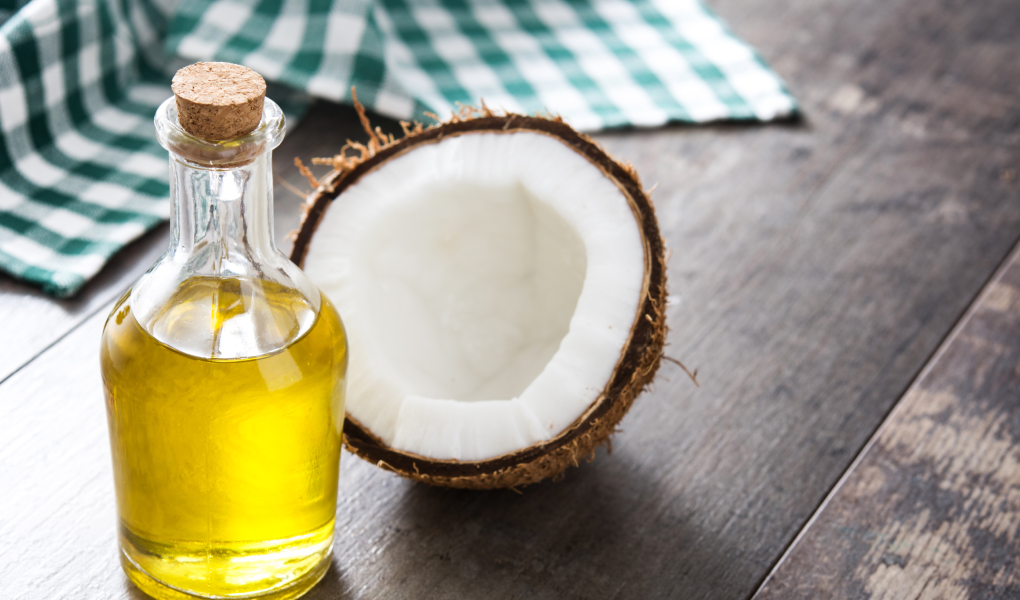
Coconut oil is extracted from the meat (kernel) of mature coconuts. It contains a high concentration of saturated fats, particularly medium-chain triglycerides (MCTs), which are metabolized differently from other fats and may provide quick energy. Coconut oil is available in different forms, each suited to specific cooking and health needs.
Types of Coconut Oil:
- Virgin Coconut Oil (VCO):
- Extracted from fresh coconut meat without chemical processing.
- Retains natural coconut flavor and aroma.
- Ideal for low- to medium-heat cooking and raw applications like smoothies and salad dressings.
- Refined Coconut Oil (RCO):
- Made from dried coconut meat (copra) and often refined, bleached, and deodorized.
- Neutral flavor; better for high-heat cooking such as frying and stir-frying.
- Less aroma and fewer antioxidants compared to virgin oil.
Halal Status of Coconut Oil
Coconut oil is plant-based, making it inherently halal. It does not involve animal products or alcohol in standard production. However, when purchasing coconut oil, it’s important to:
- Check labels for added flavorings, emulsifiers, or preservatives that may not be halal.
- Prefer halal-certified brands if using processed or blended coconut oils.
- Avoid coconut oil blends that include non-halal ingredients like lard or non-halal gelatin.
Nutritional Profile of Coconut Oil
Coconut oil is calorie-dense, with approximately 120 calories per tablespoon. Its main component is saturated fat, which has been debated in nutrition science. However, coconut oil contains:
- Medium-chain triglycerides (MCTs): Quickly converted into energy rather than stored as fat.
- Lauric acid: Known for its antimicrobial and immune-supporting properties.
- Vitamin E: Acts as an antioxidant, protecting cells from damage.
While coconut oil is high in saturated fat, using it in moderation as part of a balanced diet can be a healthy choice, especially when combined with other plant-based oils.
Health Benefits of Coconut Oil
- Energy Boost:
MCTs provide fast energy, making coconut oil suitable for active individuals and children needing concentrated calories. - Supports Heart Health (in moderation):
Some studies suggest coconut oil may improve HDL (“good”) cholesterol, though moderation is key due to its saturated fat content. - Antimicrobial Properties:
Lauric acid in coconut oil has antibacterial and antiviral properties, potentially supporting immunity. - Supports Brain Function:
MCTs are easily metabolized into ketones, which can support brain health. - Skin and Hair Health:
Coconut oil can be used topically, but for cooking purposes, these benefits are a nice bonus when ingested.
Best Uses of Coconut Oil in Cooking
Coconut oil is versatile and can be used in multiple cooking applications:
1. Sautéing and Stir-Frying
- Refined coconut oil is ideal for sautéing vegetables, tofu, or meats due to its higher smoke point (~450°F / 232°C).
- Adds a subtle, neutral flavor that doesn’t overpower dishes.
2. Baking
- Virgin coconut oil adds natural sweetness and moisture to cakes, muffins, cookies, and brownies.
- Works as a substitute for butter or other oils in vegan and halal recipes.
3. Roasting
- Toss vegetables or nuts with coconut oil before roasting for a crisp texture and light coconut aroma.
4. Smoothies and Raw Dishes
- Virgin coconut oil can be added to smoothies, salad dressings, or no-bake desserts to enhance flavor and provide healthy fats.
5. Frying
- Refined coconut oil is suitable for shallow frying and moderate deep frying.
- Avoid overheating; watch for smoke to maintain nutritional quality.
Tips for Buying Coconut Oil
When selecting coconut oil, consider:
- Type: Choose virgin for raw or medium-heat applications, refined for high-heat cooking.
- Halal Certification: Ensure commercial coconut oils are halal-certified, especially flavored or blended versions.
- Packaging: Glass jars are preferred to avoid potential chemical leaching from plastics.
- Cold-Pressed vs Expeller-Pressed: Cold-pressed retains more nutrients; expeller-pressed may have slightly lower antioxidant content.
- Unrefined vs Refined: Virgin (unrefined) coconut oil retains flavor and nutrients; refined is neutral and heat-stable.
Cooking Tips for Kids and Families
Coconut oil is particularly kid-friendly due to its mild flavor and energy content:
- Use virgin coconut oil for breakfast pancakes, muffins, and smoothies.
- Combine with olive or avocado oil for stir-fried vegetables to reduce saturated fat intake.
- Store in a cool, dark place to prevent rancidity; coconut oil solidifies at cooler temperatures but melts easily when heated.
Potential Considerations
- Saturated Fat Content:
- While beneficial in moderation, excessive consumption may raise cholesterol in some individuals.
- Balance coconut oil with unsaturated plant-based oils like olive or avocado oil.
- Allergies:
- Rare, but some children may have coconut sensitivity. Monitor for adverse reactions.
- Quality Matters:
- Avoid coconut oil with artificial flavorings, preservatives, or non-halal additives.
Recipes Using Coconut Oil
1. Coconut Oil Pancakes
- Replace butter with virgin coconut oil.
- Add mashed bananas or coconut flakes for extra flavor.
2. Stir-Fried Veggies
- Heat refined coconut oil in a pan.
- Toss in broccoli, carrots, and bell peppers for a nutritious side.
3. Energy Balls
- Mix oats, dates, nuts, and coconut oil.
- Roll into balls for a quick, halal-friendly snack.
4. Roasted Chickpeas
- Toss chickpeas in refined coconut oil and spices.
- Roast at 400°F (204°C) for 20–25 minutes for a crunchy snack.
Final Thoughts
Coconut oil is a versatile, halal-friendly cooking oil that provides flavor, energy, and health benefits. Its use in the kitchen ranges from sautéing and frying to baking and smoothies, making it a valuable addition for families, especially those looking for natural, plant-based fats.
Key takeaways:
- Virgin coconut oil is ideal for low- to medium-heat applications and raw recipes.
- Refined coconut oil is best for high-heat cooking like stir-frying or shallow frying.
- Always check for halal certification, especially in processed or flavored oils.
- Use in moderation as part of a balanced diet with other healthy oils.
By choosing halal-certified, high-quality coconut oil, families can enjoy delicious, nutrient-rich meals while adhering to Islamic dietary principles.