Animal fats have been used in cooking for centuries, adding flavor, texture, and richness to food. From butter and ghee to lard and tallow, these fats can significantly influence the taste and nutrition of meals. However, for halal-conscious consumers, it’s important to know that not all animal fats are permissible under Islamic dietary laws.
At Halal Edible, we aim to provide clarity on the use of animal fats in food products, their sources, health considerations, and how to ensure they are halal. This guide will help you make informed choices for your kitchen, meals, and family.
Understanding Animal Fats
Animal fats are derived from the tissues of animals, including their meat, bones, and milk. Common types of animal fats include:
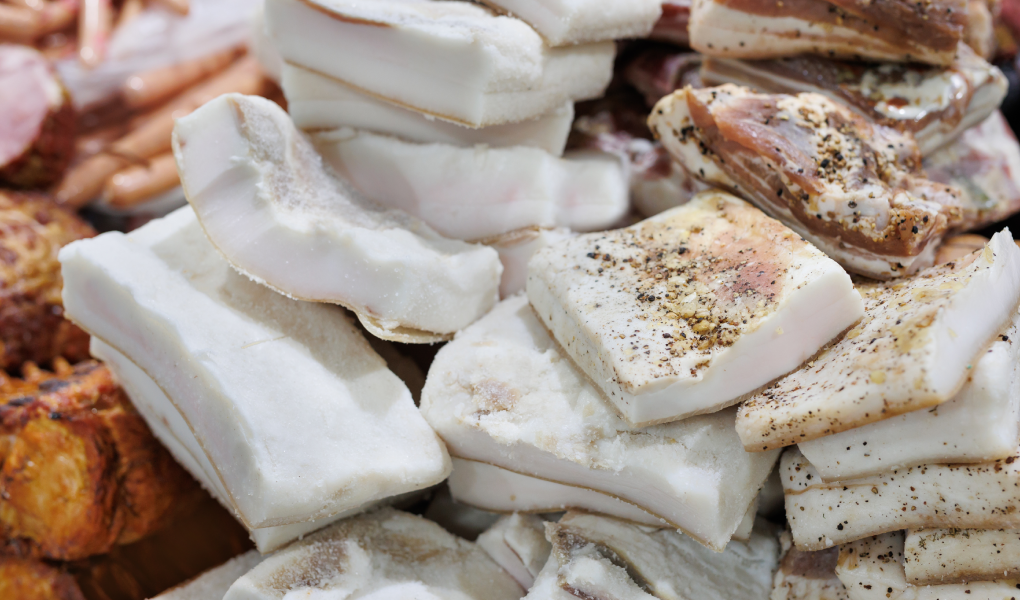
- Lard: Pig fat used in baking, frying, and processed foods.
- Tallow: Fat from cows or sheep, often used in cooking and industrial food products.
- Butter & Ghee: Milk fats from cows, buffalo, or goats.
- Chicken Fat (Schmaltz): Rendered fat from poultry used in traditional dishes.
These fats are often added to processed foods to improve taste, texture, and shelf life.
Halal Considerations for Animal Fats
Animal fats are halal only if derived from permissible animals that have been slaughtered according to Islamic law. Non-halal fats can include:
- Pork fat (lard): Strictly haram for Muslims.
- Non-halal beef or lamb fat: From animals not slaughtered properly.
- Gelatin or animal-based emulsifiers: Sometimes derived from non-halal sources and used in processed foods.
Key takeaway: Even if a product contains animal fat, it must be sourced from halal animals and processed according to halal standards.
Common Foods That May Contain Animal Fat
Animal fats are widely used in both traditional and processed foods. Some common examples include:
1. Baked Goods
- Croissants, pastries, and cookies may use lard or tallow to enhance flakiness.
- Check ingredient lists for “shortening” or “hydrogenated fats,” which may be animal-derived.
2. Processed Snacks
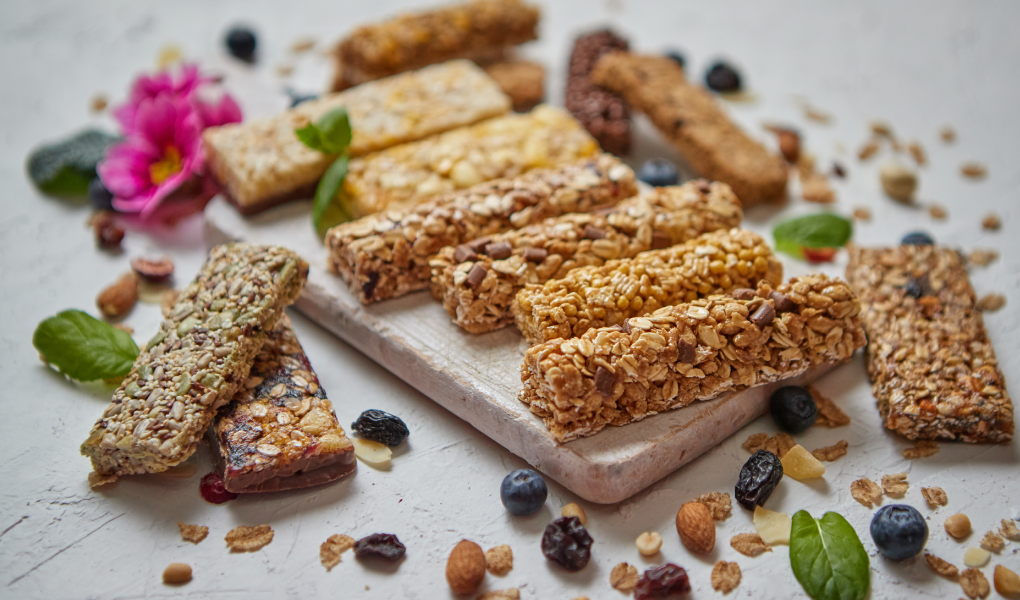
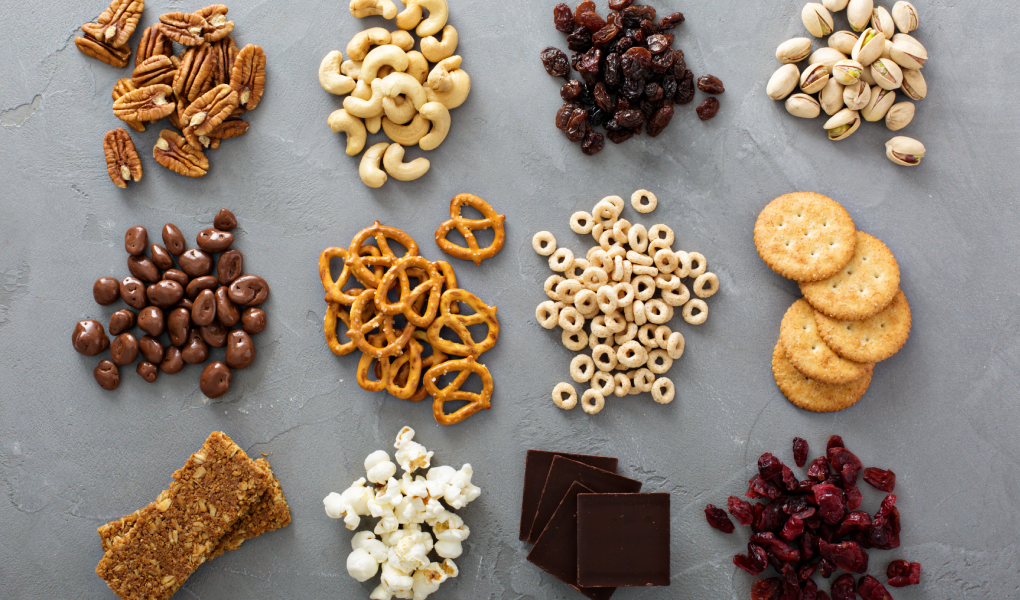
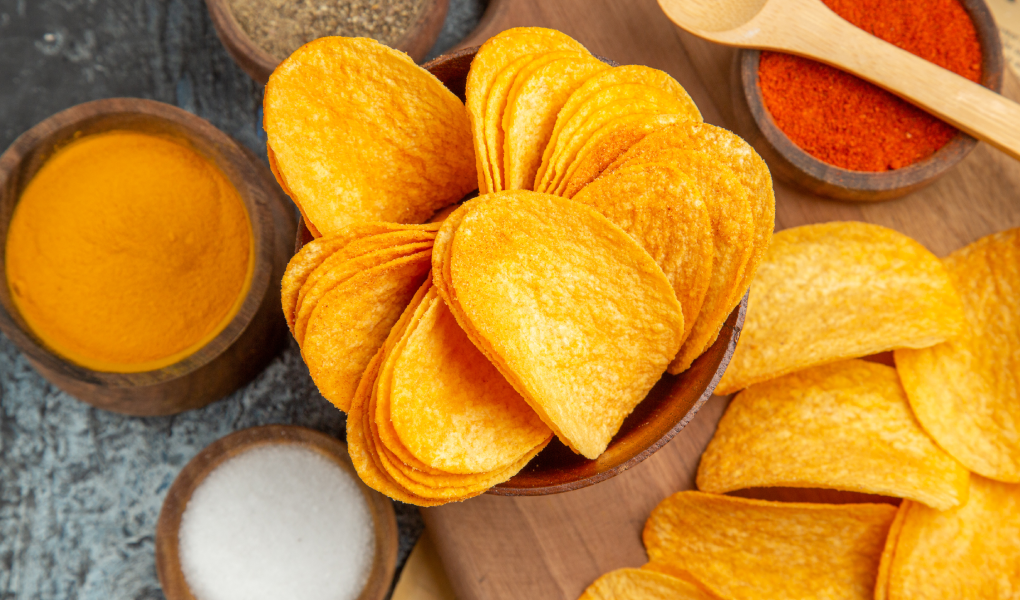
- Chips, crackers, and flavored snacks sometimes contain animal fats for flavor and texture.
- Labeled ingredients like “beef fat” or “pork fat” indicate non-halal sources.
3. Dairy Products
- Butter, ghee, and cheese contain milk fats, which are halal if sourced from halal animals.
- Some processed cheese or spreads may include non-halal emulsifiers derived from animal fats.
4. Ready-to-Eat Meals
- Frozen meals, canned soups, and instant foods often include tallow or chicken fat.
- Halal certification ensures these fats are from permissible animals.
5. Confectionery
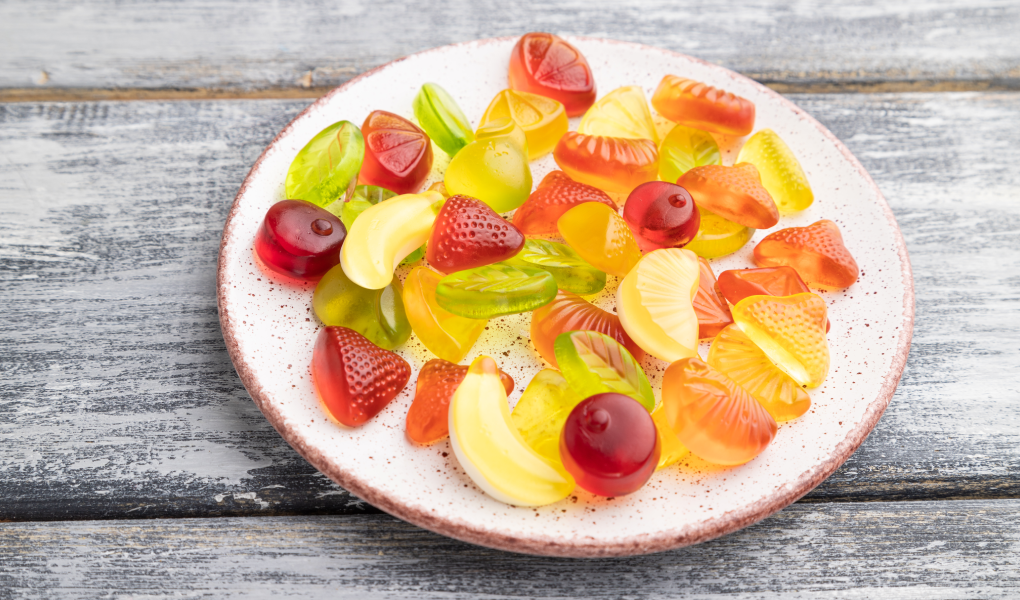
- Chocolates, candies, and sweets may use animal-derived fats to improve texture or stabilize products.
- Gelatin and fat-based emulsifiers can be non-halal unless verified.
Health Considerations of Animal Fats
Animal fats are calorie-dense and contain saturated fats, which can affect heart health when consumed in excess. However, they also have benefits:
- Flavor enhancement: Adds richness to dishes.
- Fat-soluble nutrients: Vitamins A, D, E, and K are better absorbed with fats.
- Energy source: Provides concentrated calories for growing children and active adults.
Tips for healthier use:
- Prefer fats from halal-certified animals.
- Limit consumption of saturated fats to maintain cardiovascular health.
- Rotate with plant-based oils for balanced nutrition.
How to Identify Halal Animal Fats in Food Products
- Check for Halal Certification: Look for recognized halal logos on packaged foods.
- Read Ingredients Carefully: Avoid products with vague terms like “animal fat” or “shortening” unless halal-certified.
- Avoid Pork-Derived Ingredients: Lard, gelatin from pork, and pork-based emulsifiers are haram.
- Contact Manufacturers: When in doubt, verify the source of animal fats with the producer.
- Use Plant-Based Alternatives: In baking or frying, consider coconut oil, olive oil, or other halal oils as substitutes.
Popular Halal Animal Fats
Some animal fats are commonly used and halal-friendly, provided they are sourced from permissible animals:
1. Ghee (Clarified Butter)
- Made from cow or buffalo milk.
- Naturally halal if sourced from halal animals.
- Ideal for frying, sautéing, or adding richness to desserts.
2. Chicken Fat (Schmaltz)
- Rendered from halal-slaughtered chickens.
- Adds flavor to traditional dishes, soups, and stews.
3. Tallow (Beef or Lamb)
- Rendered fat from cows or sheep slaughtered according to halal guidelines.
- Useful in baking, frying, or for savory dishes.
Alternatives to Non-Halal Animal Fats
For recipes that traditionally use non-halal fats, plant-based oils provide a healthy, halal-friendly alternative:
- Coconut Oil: Great for baking and frying; adds natural flavor.
- Olive or Avocado Oil: Neutral flavor and high heat stability.
- Vegetable Shortening (Halal-Certified): Plant-based alternative to lard.
Using these oils ensures meals are both halal and heart-healthy.
Tips for Cooking with Animal Fats Safely
- Source Halal Fats: Always buy halal-certified ghee, chicken fat, or tallow.
- Store Properly: Keep animal fats in airtight containers in a cool, dry place.
- Moderation: Use fats sparingly to balance flavor and health.
- Combine with Plant Oils: Blending plant oils with animal fats can reduce saturated fat intake.
- Avoid High-Heat Reuse: Repeated frying of animal fats can produce unhealthy compounds.
Why Halal Consumers Should Be Vigilant
- Processed and packaged foods often hide the source of fats.
- Many non-halal fats are used for cost efficiency, especially in snacks and baked goods.
- Halal certification provides peace of mind that the food complies with Islamic dietary law.
By understanding sources and carefully reading labels, consumers can avoid non-halal fats and make informed choices for their families.
Final Thoughts
Animal fats add flavor and texture to many food products, but not all are halal. For halal-conscious consumers:
- Verify the source of animal fats through certification and ingredient labels.
- Prefer ghee, chicken fat, and tallow from halal-slaughtered animals.
- Consider plant-based oils for a healthier, halal-friendly alternative.
- Use animal fats in moderation as part of a balanced diet.
Being informed ensures that your meals are delicious, nutritious, and fully halal, providing both health benefits and peace of mind.