
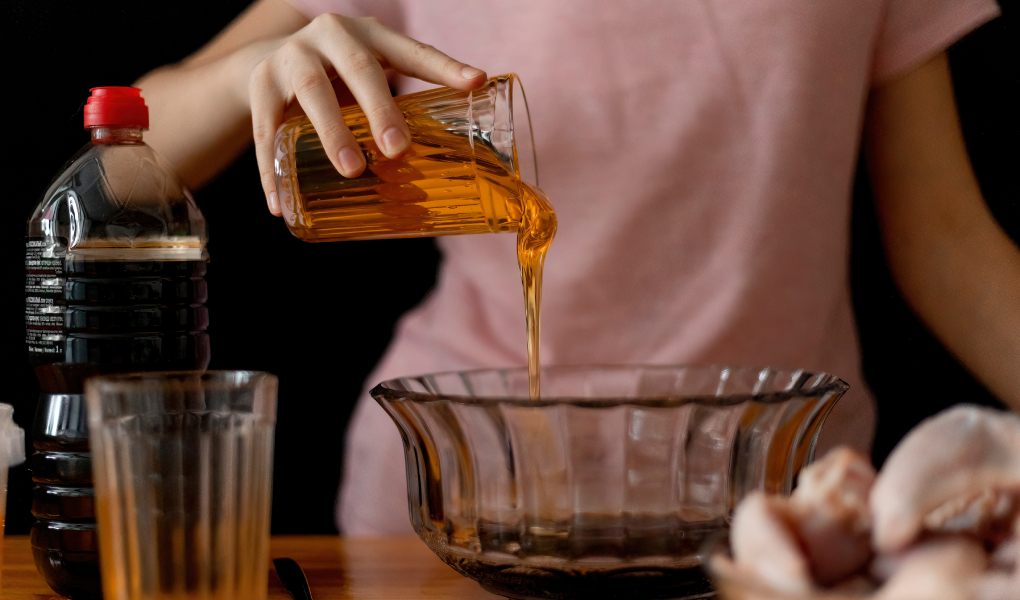
Sauces and marinades are essential components in cooking, enhancing flavor, tenderness, and aroma in a variety of dishes. However, many commercially prepared sauces and marinades contain alcohol-based ingredients such as wine, brandy, or rum extracts. For Muslims following a halal diet, understanding the presence of alcohol in these products is critical to ensuring meals remain permissible.
At Halal Edible, we explore how alcohol can appear in sauces and marinades, the Islamic perspective, and practical steps to maintain a halal and tayyib diet.
How Alcohol Ends Up in Sauces and Marinades
Alcohol is often used in sauces and marinades for several reasons:
- Flavor Extraction: Alcohol acts as a solvent, extracting flavors from herbs, spices, and fruits.
- Tenderizing Meat: Alcohol can help break down proteins, making meat more tender.
- Preservation: Alcohol can act as a mild preservative, extending shelf life.
- Traditional Recipes: Many classic recipes, such as wine sauces, brandy sauces, and certain barbecue marinades, include alcohol as a core ingredient.
Common alcoholic ingredients include:
- Wine (red, white, or cooking wine)
- Brandy or cognac
- Rum or other spirits
- Alcohol-based extracts (vanilla, almond, or flavorings)
Types of Sauces and Marinades With Alcohol
| Sauce / Marinade | Typical Alcohol Source | Halal Concern |
|---|---|---|
| Wine Sauce | Red or white wine | Contains intoxicating alcohol; haram |
| Beer Marinade | Beer or malt liquor | Haram due to ethanol content |
| Brandy or Rum Sauce | Brandy or rum | Haram; not permissible even in cooked dishes |
| Soy or Teriyaki Sauce | Some brands use alcohol in fermentation | Check label; non-alcoholic or halal-certified preferred |
| Pre-Made Barbecue Sauce | Wine, rum, or brandy flavoring | May contain alcohol; verify source |
| Salad Dressings | Wine vinegar or wine-based flavorings | Check certification; some vinegars are halal if fully fermented |
Does Cooking Remove Alcohol?
A common misconception is that cooking completely removes alcohol from sauces and marinades. The truth is more nuanced:
- Alcohol Evaporation: Heat reduces alcohol content, but not entirely.
- Retention Depends on Cooking Method:
- Simmering for 2.5 hours can remove ~95% of alcohol.
- Baking for 25 minutes may leave ~45% alcohol.
- Flaming or sautéing briefly leaves most alcohol intact.
Conclusion: Cooking may reduce alcohol, but trace amounts often remain, making dishes haram if the alcohol was originally present in significant amounts.
Islamic Perspective on Alcohol in Food
In Islam, any intoxicating substance is prohibited (haram). Scholars have clarified that:
- Alcohol, regardless of quantity, is impermissible if it can intoxicate.
- Even trace amounts in originally alcoholic ingredients cannot be considered permissible unless it is transformed into a non-intoxicating substance, like in vinegar.
- Fermented products without intoxicating alcohol (like soy sauce or lactic-fermented pickles) are allowed if certified halal.
Key Principle: Intoxication Determines Permissibility
- Ingredients like cooking wine, rum, or brandy are haram.
- Vinegar, where alcohol has fully converted to acetic acid, is halal.
How to Identify Alcohol in Sauces and Marinades
1. Read Ingredient Labels
- Look for wine, brandy, rum, sherry, or ethanol in sauces and marinades.
- Terms like “wine extract” or “alcohol-based flavoring” indicate the presence of alcohol.
2. Look for Halal Certification
- Halal-certified products ensure sauces and marinades do not contain haram alcohol.
- Certification also confirms that flavor extracts, emulsifiers, and preservatives comply with halal standards.
3. Avoid Ambiguous Ingredients
- Ingredients listed as “natural flavors” or “fermented flavors” may hide alcohol.
- Contact the manufacturer for clarification if unsure.
4. Prefer Alcohol-Free Alternatives
- Use grape juice, pomegranate juice, vinegar, or non-alcoholic wine substitutes for sauces and marinades.
- These alternatives provide flavor without compromising halal compliance.
Halal Alternatives to Alcohol-Based Sauces and Marinades
| Alcohol-Based Product | Halal Alternative |
|---|---|
| Red wine sauce | Grape juice or pomegranate molasses reduction |
| Beer marinade | Malt-free, non-alcoholic beer or soy sauce-based marinade |
| Brandy sauce | Fruit juice or halal-certified extracts |
| Wine vinegar dressing | Apple cider vinegar or rice vinegar (fully fermented) |
| Vanilla extract in dessert sauce | Alcohol-free vanilla extract or vanilla paste |
Health and Tayyib Considerations
Choosing halal sauces and marinades also aligns with healthy and tayyib living:
- Avoid unnecessary alcohol: Supports spiritual and physical wellness.
- Reduce processed additives: Many pre-made sauces contain sugar, salt, and preservatives.
- Opt for natural flavorings: Fresh herbs, spices, citrus, and fruit juices enhance taste without haram substances.
- Mindful cooking: Homemade sauces allow complete control over ingredients.
Practical Tips for Halal Cooking
- Prepare Homemade Sauces: Simple recipes with juice, vinegar, and herbs are halal and flavorful.
- Use Halal-Certified Pre-Made Products: Trustworthy brands ensure all ingredients comply with halal standards.
- Avoid Ambiguous Extracts: Alcohol-based vanilla, rum, or brandy extracts should be replaced with halal alternatives.
- Educate Yourself: Learn to recognize common alcohol-containing ingredients in sauces and marinades.
- Combine Flavors Naturally: Use citrus, herbs, and spices to enhance marinades without alcohol.
Conclusion
Sauces and marinades are culinary essentials, but alcohol-based versions are haram and must be avoided in a halal diet. Cooking does not fully eliminate alcohol, making it important to choose alcohol-free alternatives, use halal-certified products, and create homemade versions.
At Halal Edible, we recommend:
- Reading labels carefully to identify hidden alcohol in sauces and marinades.
- Using halal-certified or alcohol-free alternatives in cooking and baking.
- Prioritizing tayyib and wholesome ingredients for flavor, nutrition, and ethical compliance.
By taking these steps, Muslims can enjoy richly flavored dishes, tender meats, and delicious sauces while maintaining their faith, health, and commitment to a halal and tayyib lifestyle.