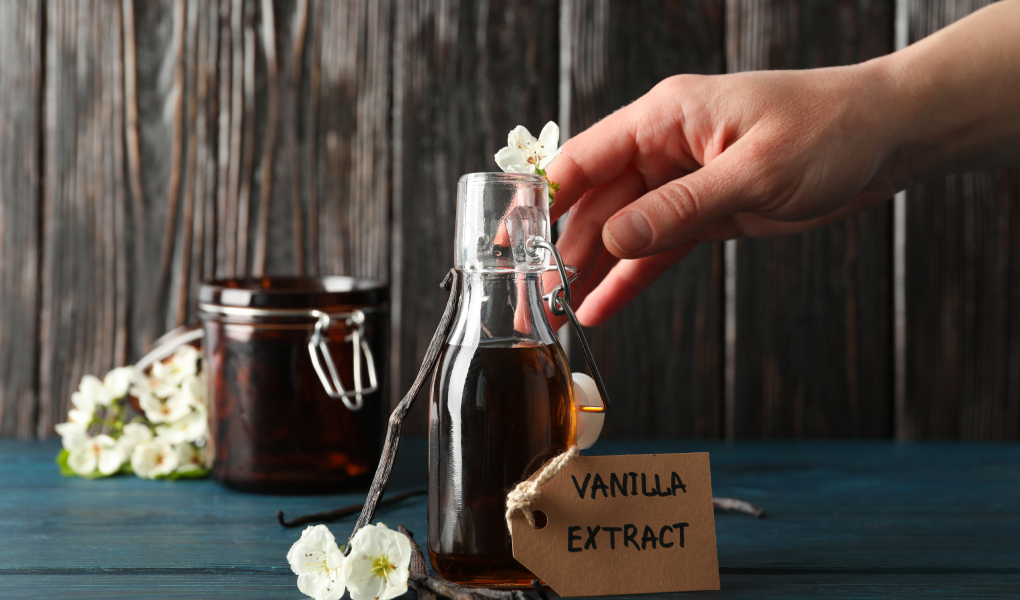
Vanilla extract is a staple in kitchens worldwide, adding a rich aroma and flavor to cakes, cookies, ice cream, and beverages. However, for Muslims who adhere to a halal diet, vanilla extract raises an important question: Does it contain alcohol, and is it halal to use in cooking?
At Halal Edible, we explore the production of vanilla extract, its alcohol content, halal considerations, and safe alternatives for a halal and tayyib lifestyle.
What Is Vanilla Extract?
Vanilla extract is a concentrated liquid that captures the flavor of vanilla beans. Its main components include:
- Vanilla Beans: Source of natural flavor and aroma.
- Alcohol (Ethanol): Used as a solvent to extract and preserve vanilla compounds.
- Water: Often mixed with alcohol to create the extract solution.
Usage: Only a few drops or teaspoons are needed in recipes to impart a strong vanilla flavor. It is widely used in:
- Baked goods (cakes, cookies, muffins)
- Ice cream and custards
- Beverages (coffee, milkshakes, hot chocolate)
- Dessert sauces and syrups
How Vanilla Extract Is Made
The traditional process involves alcoholic extraction:
- Vanilla beans are chopped or split to expose the interior seeds.
- Alcohol and water solution is poured over the beans.
- Extraction occurs over weeks or months, allowing ethanol to dissolve vanilla flavor compounds.
- The result is a liquid with 35–40% alcohol content, similar to spirits.
Key Insight: Alcohol is essential for preserving flavor and aroma, making vanilla extract potent and long-lasting.
Alcohol Content in Vanilla Extract
- Commercial vanilla extracts typically contain 35% ethanol, with some premium versions slightly lower.
- Alcohol-free vanilla extracts are available, but they use glycerin, propylene glycol, or water instead of ethanol.
- The alcohol content makes traditional vanilla extract haram for Muslims, as ethanol is intoxicating.
Important Note: Cooking with vanilla extract does not remove all alcohol. While some evaporates during baking, trace amounts remain in the final product, enough to render it haram according to Islamic scholars.
Halal Perspective on Vanilla Extract
Why Traditional Vanilla Extract Is Haram
- Contains intoxicating alcohol: Even small amounts of ethanol are not permissible.
- Cooking does not fully eliminate alcohol: Trace amounts remain after baking or simmering.
- Islamic principle: Any substance that intoxicates or is derived from haram sources is forbidden.
Halal Solutions
- Alcohol-Free Vanilla Extract:
- Made with glycerin, water, or propylene glycol.
- Provides similar flavor without ethanol.
- Vanilla Bean Paste:
- Pure vanilla seeds blended with a sweetener or thickener.
- No alcohol involved; completely halal.
- Vanilla Powder:
- Dried and ground vanilla beans.
- Alcohol-free and safe for halal use.
- Vanilla-Flavored Syrups:
- Ensure they are labeled alcohol-free and halal-certified.
How to Identify Halal Vanilla Products
- Check Labels Carefully: Look for “alcohol-free” or “vanilla bean paste” instead of just “vanilla extract.”
- Look for Halal Certification: Certified products confirm they are free from alcohol and other haram additives.
- Avoid Ambiguous Products: “Natural flavors” or “vanilla flavoring” may contain alcohol—verify the source.
- Contact Manufacturers if Unsure: Reputable companies provide transparency about alcohol content.
Health Considerations
Vanilla itself has health benefits, but alcohol-based extracts carry risks for Muslims and health-conscious individuals:
- Natural antioxidants: Vanilla contains compounds that may help reduce inflammation and improve digestion.
- Alcohol-related concerns: Even small amounts of ethanol are unsuitable for children or those avoiding alcohol.
- Alcohol-free alternatives: Provide the same flavor without compromising halal compliance or health.
Practical Tips for Cooking With Halal Vanilla
- Use Alcohol-Free Extracts or Paste: Ideal for cakes, custards, and beverages.
- Adjust Quantities: Alcohol-free products may be slightly less concentrated; increase the amount slightly if needed.
- Check Recipe Ingredients: Avoid recipes calling for “vanilla extract” without specifying alcohol-free versions.
- Combine With Other Natural Flavors: Complement vanilla with cinnamon, cardamom, or nutmeg for richer taste.
Foods That Often Contain Alcohol-Based Vanilla
| Food Category | Concern | Halal Alternative |
|---|---|---|
| Cakes & Cookies | Vanilla extract with ethanol | Alcohol-free vanilla or vanilla paste |
| Ice Cream & Custards | Alcohol-containing extracts | Vanilla powder or halal-certified extracts |
| Beverages | Coffee syrups, lattes | Alcohol-free syrups or natural vanilla beans |
| Chocolates & Confections | Alcohol-based flavorings | Halal-certified chocolates with natural flavors |
Tip: Always verify flavoring sources, especially in store-bought or imported products.
Benefits of Choosing Halal Vanilla Products
- Spiritual Compliance: Ensures adherence to halal dietary laws.
- Health Safety: Avoids unnecessary alcohol consumption.
- Tayyib Lifestyle: Encourages the use of wholesome, natural ingredients.
- Family-Friendly: Safe for children and guests.
Conclusion
Vanilla extract is a beloved ingredient in many recipes, but traditional alcohol-based extracts are not halal due to their ethanol content. For Muslims committed to halal and tayyib living, it’s essential to choose alcohol-free extracts, vanilla bean paste, or vanilla powder.
At Halal Edible, we recommend:
- Checking labels carefully for alcohol content.
- Prioritizing halal-certified or alcohol-free products.
- Exploring natural alternatives like vanilla beans or powders.
- Combining vanilla with other spices and flavors to enhance recipes naturally.
By being vigilant about vanilla extract, Muslims can enjoy delicious baked goods, desserts, and beverages without compromising faith, health, or ethical dietary standards.
Vanilla flavoring can be both delightful and halal, allowing everyone to enjoy the rich taste of this aromatic ingredient while staying true to Islamic principles.