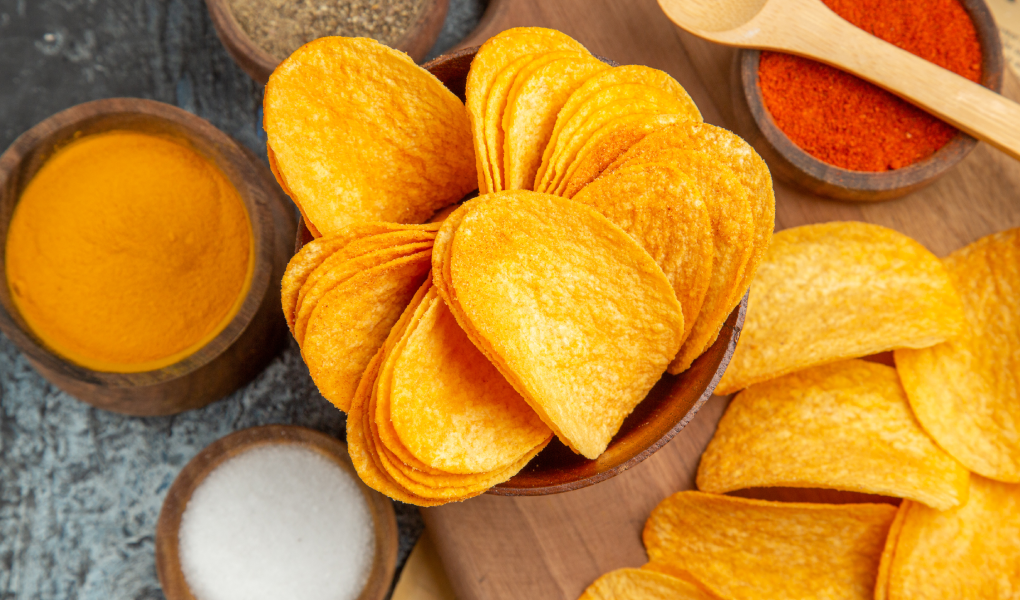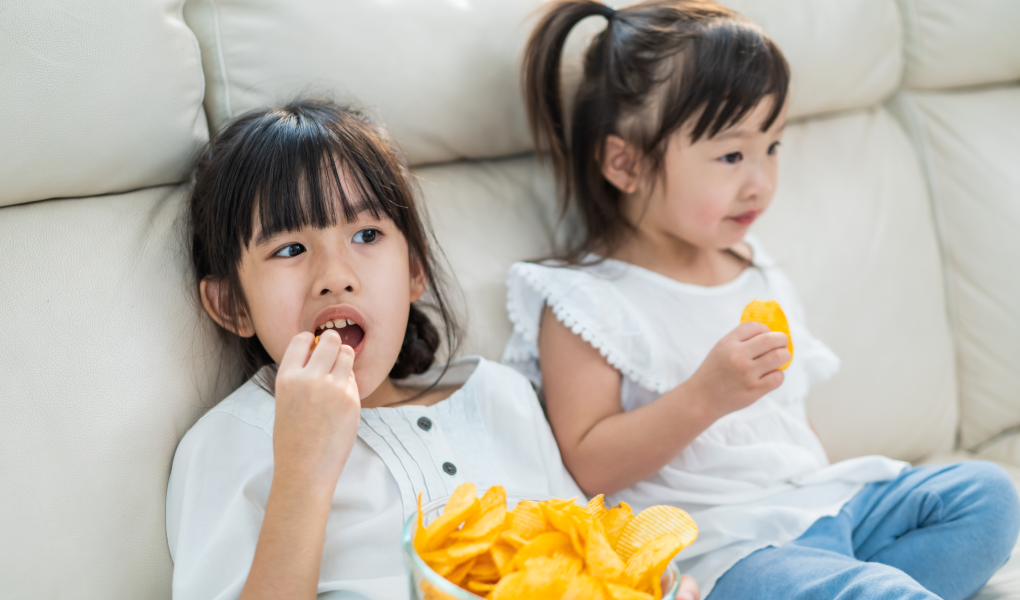

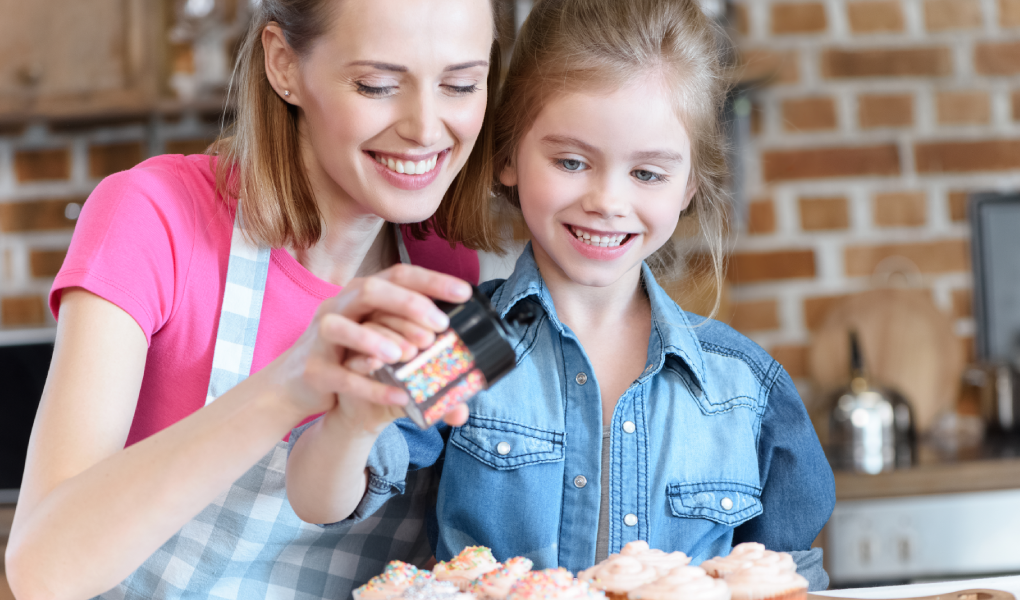
Children are naturally drawn to colorful, tasty, and aromatic foods. From snacks and candies to baked goods and drinks, flavors play a huge role in making food appealing for kids. However, not all flavorings are created equal. As a halal-conscious parent, it’s essential to know which flavorings are safe, nutritious, and permissible for children.
At Halal Edible, we provide a detailed guide on safe flavorings for kids, the types of flavorings, their sources, and tips for choosing healthy halal options.
What Are Flavorings for Kids?
Flavorings are substances added to food to enhance or modify taste and aroma. In children’s foods, these include:
- Fruit flavors: Strawberry, grape, orange
- Chocolate and vanilla: Popular in baked goods and desserts
- Spices: Cinnamon, nutmeg, mild vanilla, or cocoa
- Nature-inspired flavors: Honey, caramel, or natural fruit extracts
Flavorings make foods more appealing, encourage healthy eating habits, and help kids accept nutritious snacks and meals.
Types of Flavorings
1. Natural Flavorings
- Derived from fruits, vegetables, herbs, and spices
- Extracted using steam distillation, cold pressing, or enzymatic methods
- Examples for kids:
- Vanilla from vanilla beans
- Lemon or orange zest
- Cinnamon or nutmeg
Pros: Safe, often more nutritious, and generally well-tolerated by children.
Cons: Can be more expensive and may have shorter shelf life.
2. Nature-Identical Flavorings
- Chemically identical to natural flavors but produced in a lab or via fermentation
- Used in candies, flavored drinks, and baked goods
- Examples:
- Ethyl butyrate (mimics pineapple)
- Methyl anthranilate (mimics grape)
Pros: Consistent taste and stable in processed foods.
Cons: Overuse may encourage preference for highly flavored snacks.
3. Synthetic Flavorings
- Chemically produced to replicate natural flavors
- Found in gummies, candies, chips, and flavored drinks
- Examples: Vanillin (vanilla), artificial strawberry or cherry flavor
Pros: Long shelf life and consistent taste
Cons: Should be used in moderation and always in halal-certified products
Halal Considerations for Kids’ Flavorings
Halal compliance is critical when selecting flavorings for children:
1. Source of Ingredients
- Avoid flavors derived from pork, non-halal animals, or haram alcohol
- Prefer plant-based or halal-certified synthetic additives
2. Alcohol in Extraction
- Some natural flavors use ethanol as a solvent
- Halal-certified products ensure alcohol is removed or within permissible limits
3. Cross-Contamination
- Facilities processing non-halal products may contaminate flavors
- Halal certification guarantees safe separation and compliance
4. Trusted Certification
- Look for halal logos from IFANCA, HFC, ISA, or other recognized authorities
- Certification ensures that all flavorings and final products are safe for children
Tip: Always check packaging for halal certification and ingredient transparency.
Health Considerations for Children
- Moderation is Key: Flavorings are safe in small amounts, but overconsumption of flavored snacks can lead to excess sugar or additives
- Allergy Awareness: Even natural flavors may trigger allergies in some children
- Nutritional Balance: Combine flavored snacks with whole foods like fruits, vegetables, nuts, and whole grains
- Avoid Artificial Coloring Overload: Some candies or snacks may have synthetic dyes that children are sensitive to
Safe Flavorings to Look for in Kids’ Foods
- Fruit Extracts: Strawberry, blueberry, mango, and apple
- Vanilla: Pure vanilla extract or halal-certified vanillin
- Cocoa & Chocolate: Use unsweetened or halal chocolate for baking
- Mild Spices: Cinnamon, nutmeg, ginger, or cardamom
- Nature-Identical Flavors: Pineapple, grape, or banana flavors in halal-certified products
Tip: Always ensure that the flavorings are free from haram animal derivatives or alcohol.
Foods That Commonly Contain Safe Flavorings
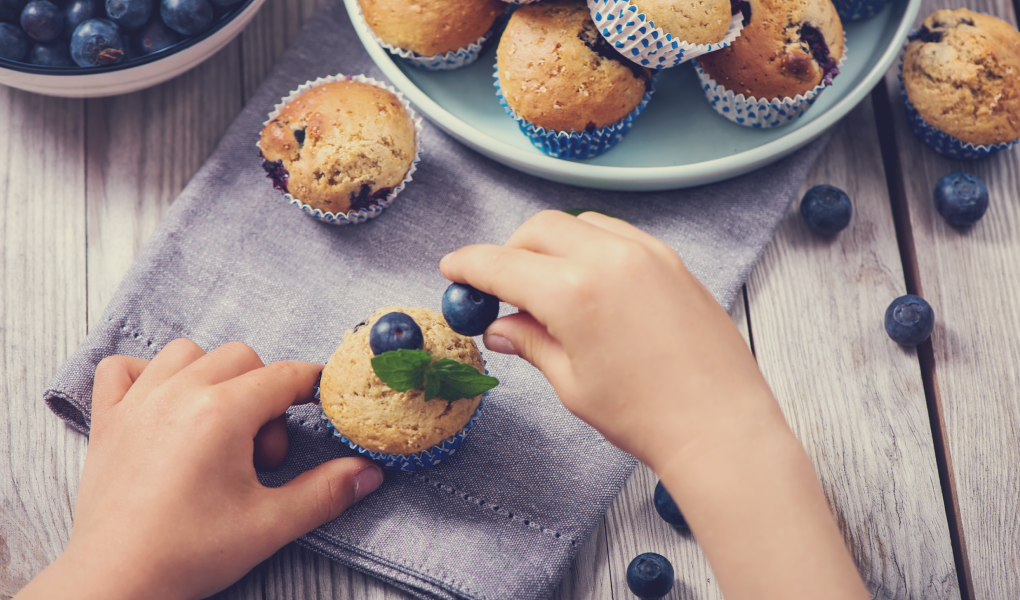
- Baked goods: Muffins, cookies, pancakes
- Dairy products: Yogurts, puddings, milkshakes
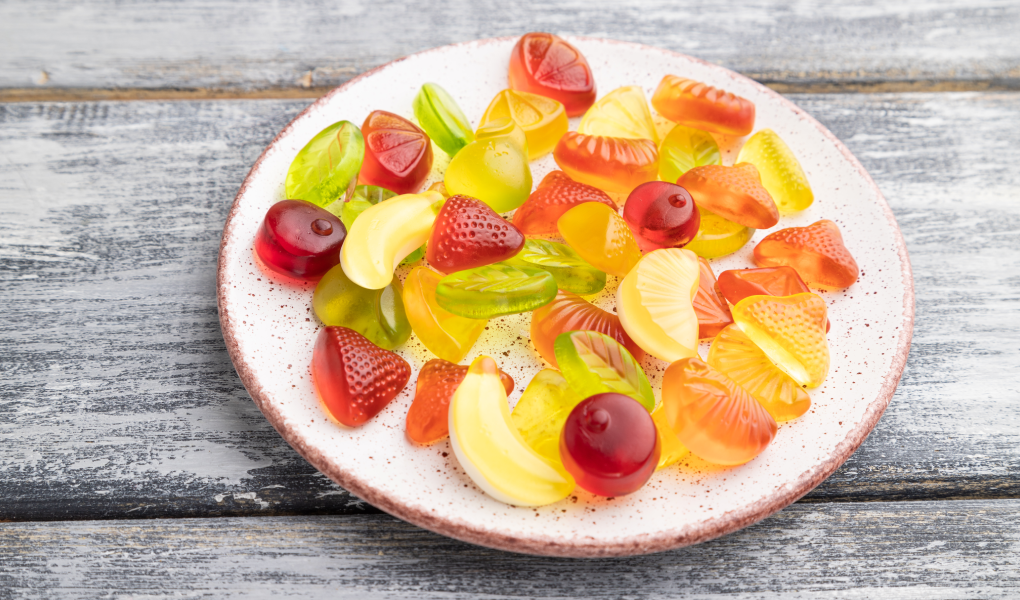
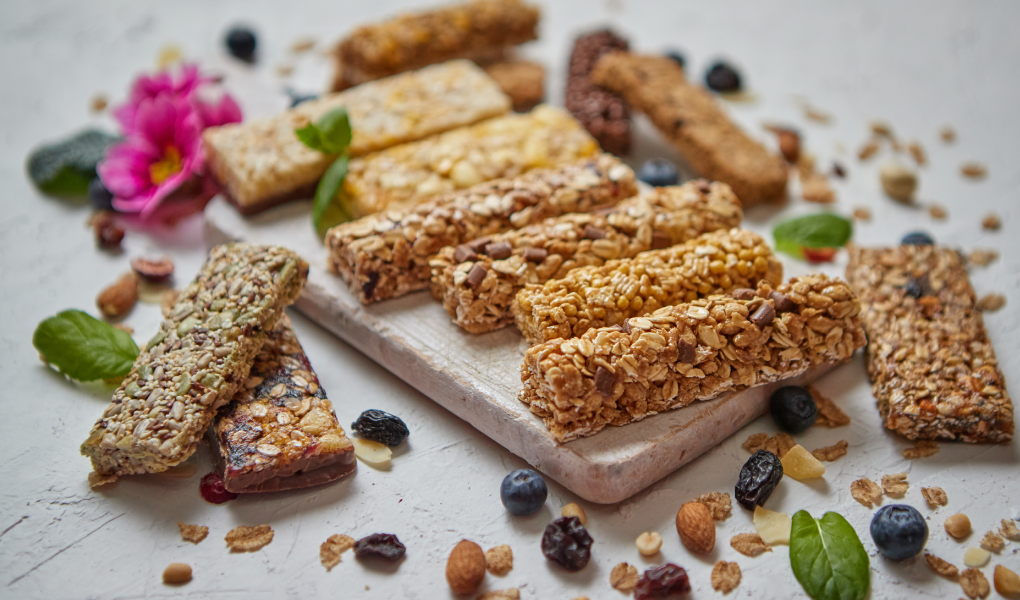
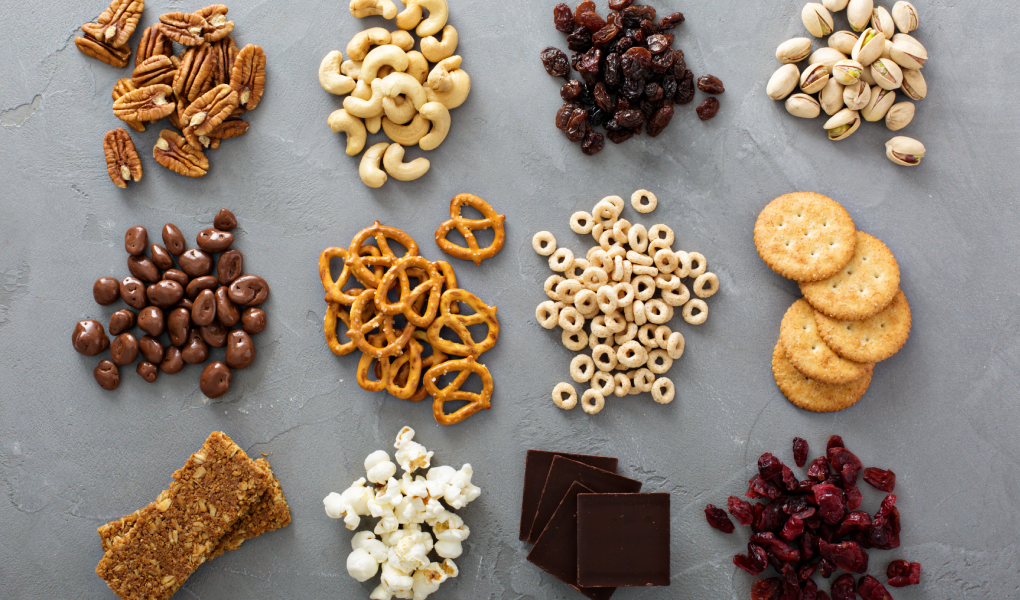
- Snacks: Gummies, crackers, flavored nuts
- Beverages: Flavored water, fruit juices, halal hot chocolate
Tip: Homemade versions allow better control over flavor and sugar content, ensuring safety and nutrition.
Tips for Parents to Ensure Safety
- Read Labels Carefully: Look for halal certification and check ingredient sources
- Favor Natural and Nature-Identical Flavors: Safer and less processed than some synthetic options
- Limit Highly Processed Snacks: Even halal-certified flavored snacks should be eaten in moderation
- Make Homemade Flavored Snacks: Use fresh fruits, mild spices, and halal extracts
- Educate Children: Teach kids to enjoy natural flavors alongside occasional treats
Homemade Flavoring Ideas for Kids
Creating safe and tasty flavorings at home is simple:
- Fruit Purees: Strawberry, mango, or apple puree for muffins or yogurt
- Citrus Zest: Lemon or orange zest in baked goods
- Vanilla Extract: Halal-certified vanilla in pancakes, cookies, or drinks
- Mild Spices: Cinnamon or nutmeg for oatmeal, smoothies, and snacks
- Natural Syrups: Honey or date syrup for sweetness and flavor
Tip: Homemade flavorings are not only halal but also reduce exposure to unnecessary chemicals and additives.
Pros and Cons of Using Flavorings for Kids
Pros
- Makes food appealing and encourages healthy eating
- Masks unpleasant flavors in nutritious foods
- Adds variety and creativity to meals and snacks
- Halal-certified flavorings ensure safety and permissibility
Cons
- Excessive use may increase preference for overly sweet or flavored foods
- Synthetic additives should be used moderately
- May mask poor nutritional quality if overused
Common Misconceptions
- “All flavorings are artificial and unsafe.”
- Many flavorings are natural or nature-identical, safe for kids in moderation
- “Flavorings reduce halal compliance.”
- Halal-certified flavorings are fully permissible
- “Flavorings add unnecessary calories.”
- Most flavorings do not add calories, but flavored foods may contain sugar
- “Kids should avoid all flavored snacks.”
- Flavored snacks are fine occasionally, especially when halal and safe additives are used
Final Thoughts
Safe flavorings play a crucial role in making food appealing, nutritious, and enjoyable for children. For halal-conscious families, it is essential to choose halal-certified, natural, or nature-identical flavorings, avoid haram sources, and use moderation.
Key takeaways from Halal Edible:
- Flavorings can be natural, synthetic, or nature-identical
- Check halal certification to ensure compliance
- Prefer plant-based, alcohol-free, and allergy-safe flavorings
- Homemade flavorings give full control over taste, safety, and nutrition
- Educate children on balanced eating habits alongside flavored snacks
By understanding flavorings, halal-conscious parents can make safe, tasty, and nutritious choices for their children, ensuring every meal and snack is both enjoyable and permissible.