
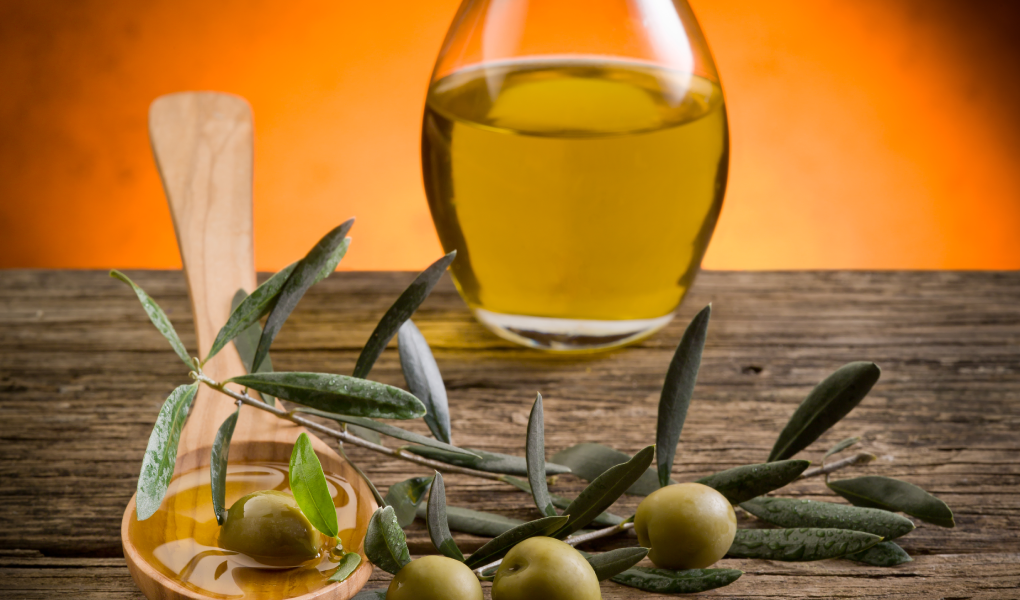
Olive oil has been prized for centuries, not only for its rich flavor and versatility in cooking but also for its numerous health benefits. Known as a cornerstone of the Mediterranean diet, olive oil is celebrated for its nutritional value, anti-inflammatory properties, and positive effects on heart health.
For Muslims who seek halal and wholesome (tayyib) foods, olive oil is a natural choice that aligns with both faith and health-conscious living. At Halal Edible, we explore the many ways olive oil supports physical wellness, mental clarity, and overall well-being.
What Makes Olive Oil Special?
Olive oil is extracted from the fruit of the olive tree through cold pressing or minimal processing. Its nutritional profile includes:
- Monounsaturated Fats: Mainly oleic acid, which supports heart health.
- Antioxidants: Polyphenols, vitamin E, and other compounds help fight free radicals.
- Anti-Inflammatory Compounds: Help reduce inflammation in the body.
There are different types of olive oil, each with unique properties:
- Extra Virgin Olive Oil (EVOO): Highest quality, cold-pressed, rich in antioxidants.
- Virgin Olive Oil: Slightly lower quality than EVOO but still retains many nutrients.
- Refined Olive Oil: Processed to remove impurities, lower in antioxidants.
Tip: Extra virgin olive oil is considered the healthiest option due to minimal processing and high nutrient content.
Top Health Benefits of Olive Oil
1. Supports Heart Health
Olive oil is rich in monounsaturated fats, which help:
- Lower bad cholesterol (LDL)
- Increase good cholesterol (HDL)
- Reduce blood pressure and inflammation
Studies show that regular consumption of olive oil can reduce the risk of heart disease and stroke.
2. Powerful Antioxidant Properties
Extra virgin olive oil contains polyphenols and vitamin E, which:
- Protect cells from oxidative stress
- Reduce the risk of chronic diseases
- Support healthy aging and skin health
Antioxidants also help the body fight free radicals, which are linked to inflammation, heart disease, and cancer.
3. Anti-Inflammatory Effects
Chronic inflammation is a contributor to many diseases, including arthritis, diabetes, and heart disease. Olive oil contains oleocanthal, a natural compound with anti-inflammatory effects similar to ibuprofen.
Regular consumption may:
- Reduce joint pain and stiffness
- Lower markers of systemic inflammation
- Support overall immune health
4. Promotes Brain Health
Olive oil is linked to cognitive protection and improved brain function:
- May reduce the risk of Alzheimer’s disease
- Supports neuroprotective effects due to antioxidants
- Encourages healthy blood flow to the brain
Incorporating olive oil into a balanced diet can contribute to long-term brain health.
5. Aids Digestive Health
Olive oil has gentle laxative properties and helps promote healthy digestion. Benefits include:
- Soothing the stomach lining
- Supporting intestinal health
- Enhancing nutrient absorption from other foods
Using olive oil in cooking or as a dressing can improve overall gut wellness.
6. Weight Management Support
While olive oil is calorie-dense, studies show that healthy fats like those in olive oil can:
- Increase satiety, reducing overeating
- Support metabolic health
- Aid in weight maintenance when part of a balanced diet
Unlike trans fats or hydrogenated oils, olive oil promotes healthy fat consumption without compromising heart health.
7. Skin and Hair Benefits
Topical and dietary use of olive oil supports skin and hair health:
- Rich in vitamin E and antioxidants, promoting healthy skin
- Moisturizes dry skin naturally
- Strengthens hair and prevents damage
Many halal skincare products also include extra virgin olive oil as a natural, ethical ingredient.
How to Incorporate Olive Oil Into Your Diet
- Cooking: Use extra virgin olive oil for sautéing, roasting, and grilling.
- Salad Dressing: Mix with lemon juice, herbs, and spices for a healthy dressing.
- Baking: Substitute butter or margarine with olive oil in muffins, cakes, and bread.
- Finishing Oil: Drizzle over pasta, vegetables, or soups to preserve nutrients.
- Morning Routine: Some prefer a small spoon of olive oil on an empty stomach for digestive health.
Tip: Avoid overheating extra virgin olive oil excessively, as high heat may reduce its antioxidant content.
Choosing the Right Olive Oil
When selecting olive oil, consider:
- Extra Virgin vs Refined: EVOO is richest in nutrients.
- Cold-Pressed: Minimal processing preserves antioxidants and healthy fats.
- Organic and Halal-Certified: Ensures purity, ethical sourcing, and faith compliance.
- Proper Storage: Keep in a dark, cool place to maintain quality.
Olive Oil in Islam: Halal and Tayyib
Olive oil is naturally halal, as it is plant-based and free from haram additives. Moreover, its use aligns with tayyib principles:
- Wholesome: Pure, natural, and beneficial for health
- Ethically Sourced: Often produced through traditional, sustainable farming
- Spiritually Encouraged: Olive oil is mentioned in the Qur’an and Hadith as a blessed food
Qur’an 24:35: The olive tree is described as a symbol of light and goodness, reflecting its spiritual and physical value.
Conclusion
Olive oil is more than just a cooking ingredient—it is a natural superfood with extensive benefits for the heart, brain, digestion, and overall well-being. For Muslims seeking foods that are halal and tayyib, olive oil represents a perfect choice:
- Naturally halal and plant-based
- Rich in antioxidants and healthy fats
- Supports ethical and wholesome consumption
At Halal Edible, we recommend:
- Choosing extra virgin olive oil for maximum health benefits.
- Using it in everyday cooking, baking, and salad dressings.
- Opting for halal and organic-certified brands for purity and ethical sourcing.
- Incorporating it mindfully to reap both spiritual and physical benefits.
By making olive oil a regular part of your diet, you not only improve your health but also honor the Islamic principles of consuming wholesome and beneficial foods.