
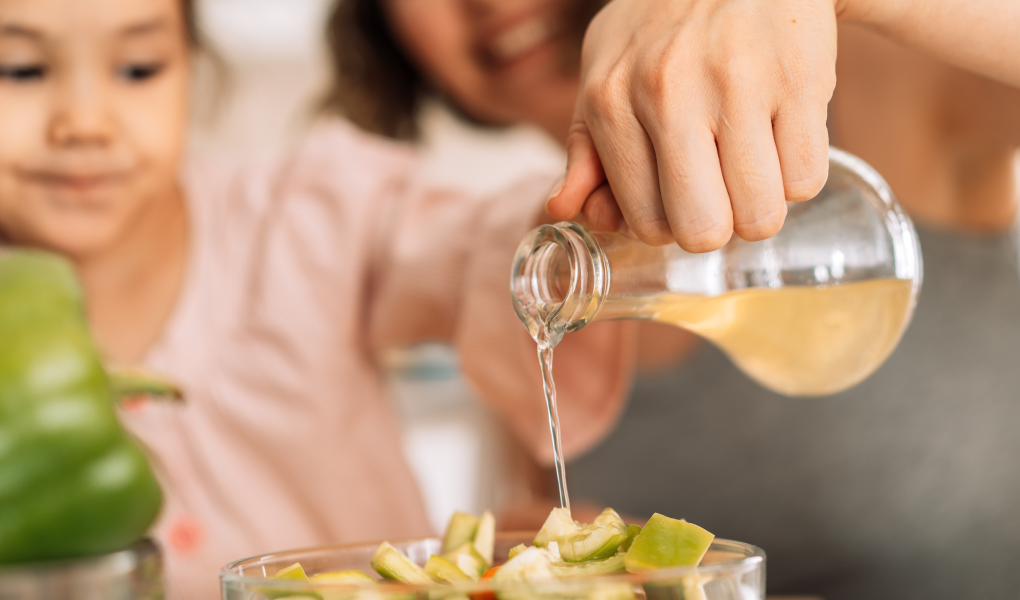
Cooking for children comes with unique challenges. Kids need foods that are not only tasty but also nutrient-rich and safe, helping them grow healthy bones, strong muscles, and a robust immune system. One often overlooked aspect of a child’s diet is the type of cooking oil used. Oils provide essential fats that are crucial for brain development, hormone production, and energy.
For halal-conscious families, it’s also important that these oils are permissible under Islamic dietary laws. At Halal Edible, we believe parents can make informed choices about oils that are healthy, halal, and suitable for kids.
In this guide, we’ll explore the best oils for kids, their benefits, uses, and tips for safe cooking.
Why Healthy Oils Matter for Kids
Fats are an essential macronutrient in a child’s diet. They provide:
- Energy – Young children burn calories quickly and need concentrated energy sources.
- Brain Development – Omega-3 and omega-6 fatty acids are critical for cognitive function.
- Absorption of Vitamins – Fat-soluble vitamins (A, D, E, K) require dietary fat for absorption.
- Hormone Production – Fats help regulate growth and metabolism.
Choosing the right oils ensures that children receive healthy fats while minimizing unhealthy trans fats and processed oils.
Criteria for Choosing Oils for Kids
When selecting oils for children, consider:
- Halal Status: Ensure the oil is plant-based or halal-certified if processed. Avoid animal-derived fats unless halal-certified.
- Nutrient Content: Opt for oils rich in monounsaturated and polyunsaturated fats, omega-3 fatty acids, and antioxidants.
- Low Processing: Minimally processed oils retain more nutrients and fewer additives.
- Flavor Profile: Neutral-flavored oils are generally preferred for kids’ meals, but naturally flavored oils like coconut can also add variety.
- Heat Stability: Use oils appropriate for the cooking method—low-heat oils for dressings, high-heat oils for sautéing or frying.
Best Healthy Oils for Kids
1. Extra Virgin Olive Oil
Type: Plant-based, cold-pressed
Fat Composition: High in monounsaturated fats
Halal Status: Naturally halal
Extra virgin olive oil is widely regarded as one of the healthiest oils. It’s rich in antioxidants and healthy fats, making it ideal for kids’ nutrition.
Benefits for Kids:
- Supports heart health
- Contains vitamin E for healthy skin and immunity
- Mild flavor suitable for salads, drizzling, or low-heat cooking
Tips for Use:
- Use in salads, pasta, or as a drizzle over cooked vegetables.
- Avoid high-heat frying; smoke point is about 375°F (190°C).
2. Avocado Oil
Type: Plant-based, refined or cold-pressed
Fat Composition: High in monounsaturated fats
Halal Status: Naturally halal
Avocado oil is versatile and highly stable for cooking at moderate to high temperatures.
Benefits for Kids:
- Supports brain development
- Provides energy-dense calories for growing children
- Rich in vitamin E and antioxidants
Tips for Use:
- Use refined avocado oil for frying or sautéing.
- Cold-pressed avocado oil is excellent for salads and dips.
3. Coconut Oil
Type: Plant-based, virgin or refined
Fat Composition: High in medium-chain triglycerides (MCTs) and saturated fats
Halal Status: Naturally halal
Coconut oil is a kid-friendly oil due to its mild sweetness and aroma. MCTs in coconut oil provide quick energy, making it excellent for active children.
Benefits for Kids:
- Supports energy and metabolism
- Easy to digest
- Adds flavor to dishes without overpowering
Tips for Use:
- Virgin coconut oil is ideal for baking, pancakes, and cooking at medium heat.
- Refined coconut oil can handle higher temperatures for stir-frying.
4. Canola Oil
Type: Plant-based, refined
Fat Composition: Balanced monounsaturated and polyunsaturated fats; low in saturated fats
Halal Status: Naturally halal
Canola oil is light, neutral in flavor, and contains omega-3 fatty acids, which are crucial for brain health.
Benefits for Kids:
- Supports cognitive development
- Mild taste for picky eaters
- Suitable for both cooking and baking
Tips for Use:
- Use for frying, sautéing, and baking.
- Avoid heavily processed canola blends with artificial additives.
5. Flaxseed Oil
Type: Plant-based, cold-pressed
Fat Composition: High in omega-3 fatty acids (ALA)
Halal Status: Naturally halal
Flaxseed oil is an excellent source of plant-based omega-3s, which are important for brain and eye development in children.
Benefits for Kids:
- Supports brain and eye health
- Can help maintain healthy cholesterol levels
Tips for Use:
- Use cold; do not heat above 225°F (107°C) as it can degrade the omega-3s.
- Add to smoothies, oatmeal, or salad dressings.
6. Walnut Oil
Type: Plant-based, cold-pressed
Fat Composition: Rich in polyunsaturated fats and omega-3s
Halal Status: Naturally halal
Walnut oil provides a nutty flavor and essential fatty acids beneficial for growing children.
Benefits for Kids:
- Supports cognitive function
- Adds flavor and variety to meals
- Contains antioxidants for overall health
Tips for Use:
- Use as a finishing oil or in cold dishes.
- Avoid high-heat cooking to preserve nutrients.
7. Sunflower Oil (High-Oleic)
Type: Plant-based, refined
Fat Composition: High in monounsaturated fats
Halal Status: Naturally halal
High-oleic sunflower oil is stable at higher temperatures, making it suitable for stir-frying and baking.
Benefits for Kids:
- Neutral taste for versatile use
- Heat-stable for cooking
- Rich in vitamin E
Tips for Use:
- Use for sautéing, roasting vegetables, or making homemade snacks.
- Choose non-GMO and cold-pressed options if possible.
Tips for Using Oils Safely for Kids
- Moderation: While healthy, oils are calorie-dense; avoid overusing to prevent unnecessary weight gain.
- Diverse Oils: Rotate between olive, avocado, coconut, and sunflower oil for a mix of nutrients.
- Avoid Processed Oils: Stay away from oils with non-halal additives, artificial flavors, or preservatives.
- Halal Certification: Always check for halal-certified oils when using commercially processed products.
- Storage: Keep oils in cool, dark places to maintain freshness and prevent rancidity.
Cooking Ideas for Kids Using Healthy Oils
- Breakfast: Drizzle avocado oil or coconut oil over pancakes or scrambled eggs.
- Snacks: Use olive or sunflower oil for homemade baked chips or roasted veggies.
- Lunch & Dinner: Sauté vegetables, chicken, or fish in halal-certified oils.
- Smoothies: Add flaxseed or walnut oil for extra omega-3s.
- Salads: Use olive oil or walnut oil for dressings.
These simple methods help incorporate healthy oils into children’s diets without compromising taste or nutrition.
Benefits of Halal Oils for Kids
Choosing halal oils ensures that children receive wholesome nutrition while adhering to Islamic dietary laws. Additional benefits include:
- Peace of mind for parents regarding halal compliance
- Fewer additives and healthier, minimally processed oils
- Safe and nutritious fats to support growth and development
- Versatility across recipes and cuisines
Final Thoughts
Healthy oils play a crucial role in children’s diets, providing essential fats, supporting brain development, and enhancing overall nutrition. Halal-conscious families should prioritize plant-based, minimally processed, and halal-certified oils to ensure both health and compliance with dietary laws.
Top oils for kids include:
- Extra virgin olive oil
- Avocado oil
- Coconut oil (virgin or refined)
- Canola oil
- Flaxseed oil
- Walnut oil
- High-oleic sunflower oil
By incorporating a variety of these oils in moderation, parents can support their children’s growth, energy, and well-being, while keeping meals tasty and halal-friendly.