
Fruit extracts are widely used in the modern food industry to enhance flavor, aroma, and nutritional value. From beverages and desserts to baked goods and snacks, fruit extracts help create the delicious tastes consumers love. They are often used as natural flavoring agents and can provide a healthier alternative to artificial ingredients.
For halal-conscious consumers, understanding how fruit extracts are made and used in food products is important. While most fruit extracts are naturally halal, certain processing methods may involve ingredients such as alcohol or additives that require attention.
In this guide from Halal Edible, we will explore what fruit extracts are, how they are made, their benefits, common uses, and important halal considerations.
What Are Fruit Extracts?
Fruit extracts are concentrated substances obtained from fruits that capture their flavor, aroma, and sometimes nutritional components. These extracts are produced by processing fresh fruit through various extraction methods to isolate key flavor compounds.
Fruit extracts are commonly used to:
- Enhance flavor in food products
- Provide natural sweetness and aroma
- Improve color and appearance
- Add nutritional elements such as vitamins and antioxidants
Unlike artificial flavorings, fruit extracts are derived from real fruits, making them a popular choice for natural and clean-label food products.
How Fruit Extracts Are Made
Fruit extracts are produced through several processes depending on the type of fruit and the desired flavor intensity.
1. Cold Pressing
Cold pressing is commonly used for citrus fruits such as lemons, oranges, and limes.
In this method:
- Fruit peels are mechanically pressed
- Natural oils and flavor compounds are released
- The extract is filtered and collected
Cold pressing preserves the natural aroma and freshness of the fruit.
2. Solvent Extraction
Some fruit extracts are produced using solvents to dissolve flavor compounds from the fruit.
Steps include:
- Fruit material is mixed with a solvent
- The solvent extracts the flavor molecules
- The solvent is later removed, leaving concentrated extract
When solvents such as alcohol are used, halal consumers should ensure that the final product is halal-certified.
3. Steam Distillation
Steam distillation is another method used to extract volatile flavor compounds.
The process involves:
- Passing steam through fruit material
- Capturing the aromatic oils that evaporate with steam
- Cooling and condensing the mixture to obtain the extract
This technique is commonly used for citrus oils and aromatic fruit compounds.
4. Concentration and Drying
Some fruit extracts are turned into powders or concentrates for easier storage and use in food manufacturing.
These forms include:
- Fruit extract powders
- Fruit concentrates
- Spray-dried fruit flavorings
These versions are widely used in snacks, beverages, and baking products.
Common Types of Fruit Extracts Used in Foods
Many fruits are used to produce extracts for commercial food products. Some of the most common include:
Citrus Extracts
Citrus fruits are among the most widely used extracts because of their refreshing flavor.
Examples include:
- Lemon extract
- Orange extract
- Lime extract
- Grapefruit extract
These extracts are commonly used in beverages, baked goods, candies, and sauces.
Berry Extracts
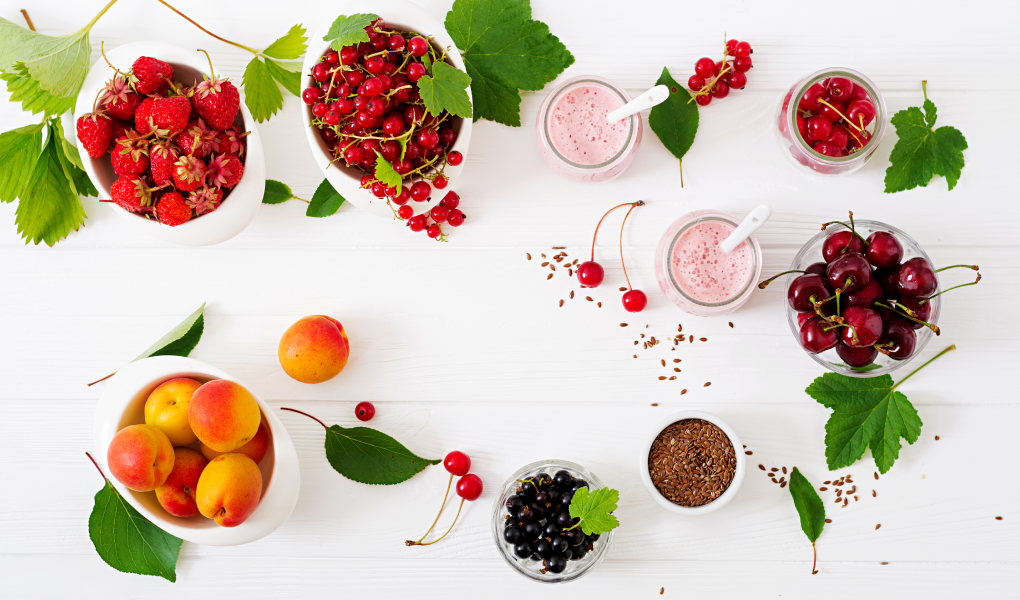
Berry extracts are popular in desserts, yogurts, and beverages.
Common berry extracts include:
- Strawberry extract
- Raspberry extract
- Blueberry extract
- Blackberry extract
These extracts add both flavor and vibrant color to food products.
Tropical Fruit Extracts
Tropical fruits provide unique and exotic flavors.
Examples include:
- Mango extract
- Pineapple extract
- Banana extract
- Passion fruit extract
These flavors are commonly used in juices, smoothies, and frozen desserts.
Apple and Grape Extracts
Apple and grape extracts are frequently used in baked goods, candies, and beverages.
They are often used to create natural sweetness and fruity aroma in processed foods.
Food Products That Use Fruit Extracts
Fruit extracts are widely used across the food industry.
Beverages
Fruit extracts are commonly used in:
- Soft drinks
- Fruit juices
- Flavored water
- Smoothies
- Energy drinks
They help provide consistent flavor even when fresh fruit is not used.
Bakery Products
Many baked goods rely on fruit extracts for flavor.
Examples include:
- Cakes
- Muffins
- Cookies
- Pastries
Lemon or orange extracts are especially common in desserts.
Dairy Products
Fruit extracts are often added to dairy foods such as:
- Yogurt
- Ice cream
- Milkshakes
- Puddings
These extracts create popular flavors like strawberry yogurt or mango ice cream.
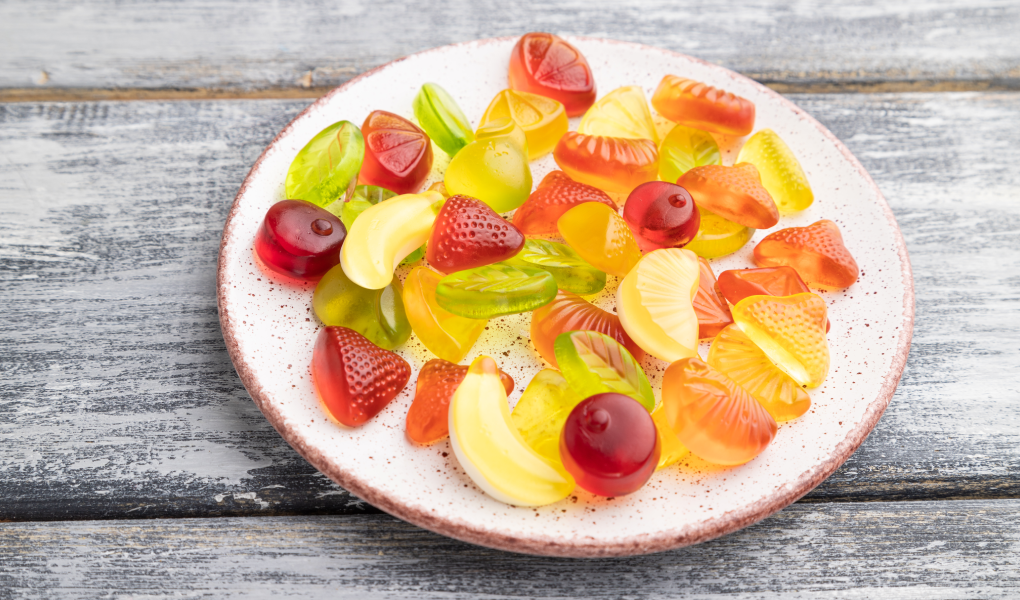
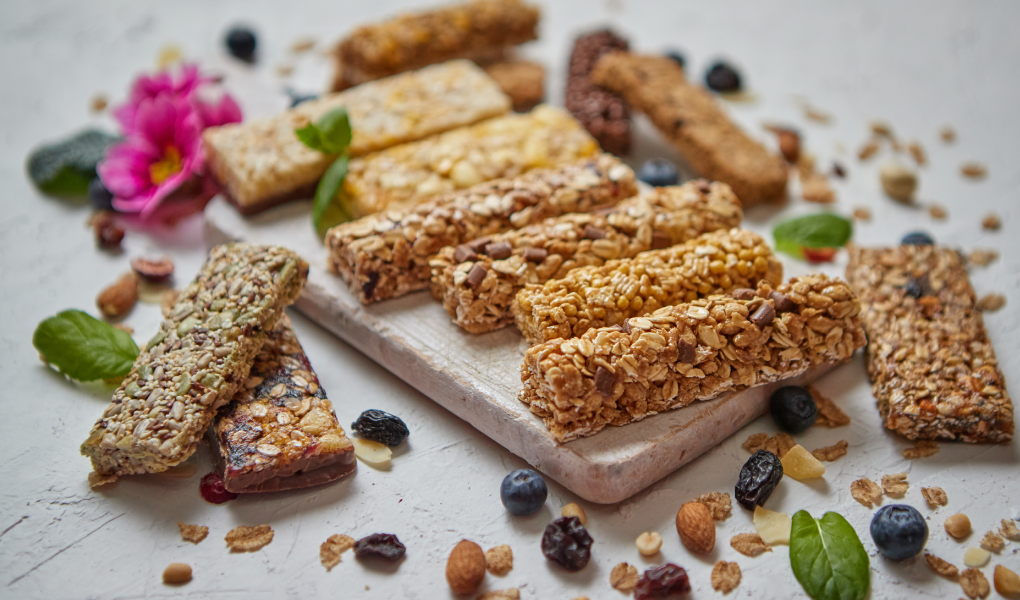
Snacks and Candies
Many candies and snacks rely heavily on fruit extracts.
Examples include:
- Gummies
- Hard candies
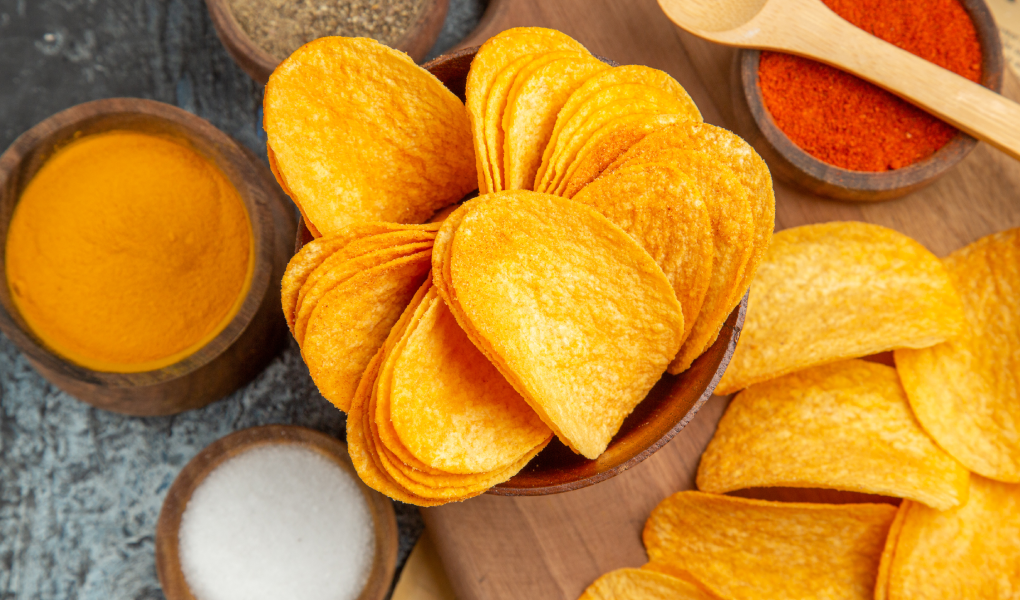
- Fruit-flavored chips
- Snack bars
Fruit extracts provide both sweetness and aroma in these products.
Health Benefits of Fruit Extracts
Fruit extracts offer several advantages when used in food products.
Natural Flavor
Fruit extracts provide a natural alternative to artificial flavors, making foods more appealing to health-conscious consumers.
Antioxidants
Many fruits contain antioxidants that help protect the body from harmful free radicals.
Examples include:
- Berry extracts rich in antioxidants
- Citrus extracts containing vitamin C
Reduced Need for Artificial Additives
Using fruit extracts can reduce the need for artificial flavorings and synthetic additives in foods.
This supports the growing trend toward clean-label products.
Versatility
Fruit extracts can be used in many types of foods, making them highly versatile ingredients in the food industry.
Halal Considerations for Fruit Extracts
Although fruit extracts are generally halal, there are a few important points to consider.
Alcohol in Extraction
Some fruit extracts are produced using alcohol as a solvent.
In these cases, halal consumers should ensure that:
- The alcohol is completely removed during processing
- The product is halal-certified
Additives and Stabilizers
Fruit extracts may sometimes include additives such as:
- Preservatives
- Emulsifiers
- Flavor enhancers
These additives should also be halal-certified to ensure compliance.
Cross-Contamination
Manufacturing facilities may produce both halal and non-halal ingredients.
Choosing products with reliable halal certification helps avoid cross-contamination risks.
Tips for Choosing Halal Fruit Extract Products
Here are some helpful tips for selecting safe fruit extracts.
Look for halal certification: Products certified by recognized halal authorities ensure compliance.
Read ingredient labels carefully: Avoid extracts that list alcohol or unclear additives.
Choose natural extracts when possible: These are often simpler and closer to their original fruit source.
Buy from trusted brands: Reputable brands are more transparent about ingredient sourcing.
Homemade Fruit Extract Alternatives
If you prefer full control over ingredients, homemade fruit flavoring is an excellent option.
Examples include:
- Fresh fruit puree for baking
- Citrus zest for natural flavor
- Fruit syrups made from boiling fruit and sugar
- Blended fruit concentrates for smoothies or desserts
These alternatives provide natural flavor without additives or processing concerns.
Final Thoughts
Fruit extracts play an important role in the food industry by enhancing flavor, aroma, and sometimes nutritional value. They are widely used in beverages, desserts, snacks, and baked goods, helping manufacturers create consistent and enjoyable food products.
For halal consumers, fruit extracts are generally permissible as long as the extraction process and additional ingredients meet halal standards. Checking ingredient labels and choosing halal-certified products ensures that foods remain compliant with Islamic dietary guidelines.
Key points to remember:
- Fruit extracts are concentrated flavors derived from real fruits
- They are commonly used in beverages, desserts, and snacks
- Many fruit extracts provide natural flavor and antioxidants
- Halal consumers should check for alcohol or questionable additives
- Halal-certified products offer the safest choice
By understanding fruit extracts and their role in food products, consumers can make informed choices that balance taste, health, and halal requirements.