

Fasting during Ramadan is not just a spiritual journey—it’s also a test of physical endurance. Long hours without food can be challenging, especially when hunger strikes before iftar. At Halal Edible, we understand the importance of choosing the right foods at suhoor to stay full, energized, and focused throughout the day.
In this guide, we’ll explore the foods that prevent hunger, why they work, and how to include them in your suhoor and iftar meals for a balanced fasting experience.
Why Hunger Management Matters
Fasting can be difficult when your body feels deprived of food. Experiencing hunger too early can:
- Reduce energy levels – Leading to fatigue and difficulty concentrating.
- Increase cravings – Causing overeating at iftar.
- Affect mood and productivity – Hunger triggers irritability and discomfort.
- Impact hydration – Some foods make you thirsty faster if not balanced properly.
A well-planned suhoor plate is the secret to keeping hunger at bay. By incorporating fiber-rich, protein-packed, and slow-digesting foods, you can prolong satiety and enjoy a smoother fasting experience.
Key Nutrients That Prevent Hunger
To avoid early hunger pangs, focus on foods that are slow to digest and high in satiety:
1. Protein
Protein-rich foods help maintain muscle mass, stabilize blood sugar, and promote fullness.
Halal Edible Recommendations:
- Eggs (boiled, scrambled, omelets)
- Greek yogurt or labneh
- Lean meats like chicken, turkey, or fish
- Lentils, chickpeas, beans
Protein slows digestion, keeping you satisfied for longer.
2. Fiber
Fiber adds bulk to your meals, slows digestion, and helps maintain blood sugar levels.
Examples:
- Whole grains (oats, quinoa, brown rice)
- Vegetables (spinach, broccoli, carrots, cucumbers)
- Fruits (apples, berries, pears, bananas)
- Legumes (chickpeas, lentils, beans)
Fiber-rich foods are essential for preventing sudden hunger during fasting.
3. Healthy Fats
Healthy fats are calorie-dense and slow down digestion, making you feel full.
Sources:
- Nuts (almonds, walnuts, pistachios)
- Seeds (chia, flax, sunflower)
- Avocado
- Olive oil or coconut oil
Avoid trans fats and fried foods—they lead to bloating and quick energy crashes.
4. Complex Carbohydrates
Unlike simple carbs, complex carbohydrates release energy slowly, keeping hunger at bay.
Examples:
- Whole wheat bread or chapati
- Oats and muesli
- Brown rice or quinoa
- Sweet potatoes
Suhoor Foods That Keep You Full
Here are some top hunger-preventing foods that Halal Edible recommends for suhoor:
1. Eggs
Eggs are a complete protein source and easy to digest. Combine with whole grains or vegetables for a balanced meal.
2. Oats
Oats are rich in soluble fiber (beta-glucan), which forms a gel in the stomach and prolongs satiety.
Tip: Add milk, nuts, or fruits to boost protein and healthy fats.
3. Greek Yogurt
Greek yogurt is protein-rich and can be paired with fruits, nuts, or seeds for a filling suhoor.
4. Whole Grain Bread and Chapati
Whole grains digest slowly and provide sustained energy throughout the day. Pair with eggs, nut butter, or avocado.
5. Nuts and Seeds
A handful of almonds, walnuts, or chia seeds adds protein, fiber, and healthy fats that prevent mid-day hunger.
6. Lentils and Beans
Legumes release energy slowly and are a great plant-based protein source. Make a light lentil soup or chickpea salad for suhoor.
7. Avocado
Avocado is high in healthy fats and fiber, keeping you full and reducing sugar cravings. Spread on whole grain toast or add to smoothies.
8. Fruits
Fruits like bananas, apples, and berries are rich in fiber and water content, which helps you stay hydrated and satisfied.
9. Vegetables
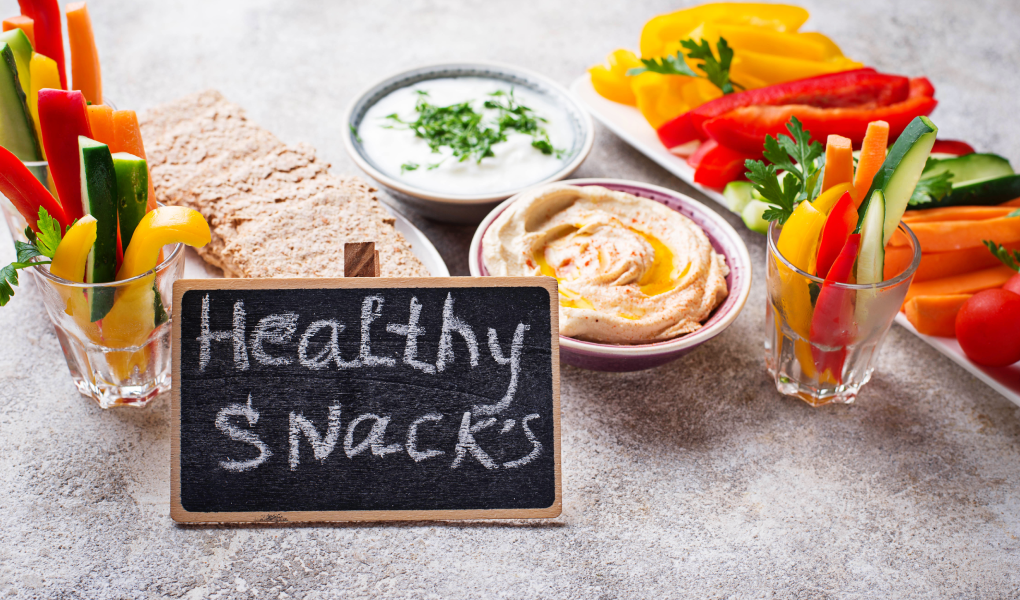
Leafy greens, cucumbers, carrots, and bell peppers are low-calorie but high in fiber, vitamins, and water content. Include them in omelets, salads, or smoothies.
10. Dates
Dates are rich in natural sugars, fiber, and potassium. Eating a few dates with suhoor or iftar provides a slow energy release and helps prevent early hunger.
Drinks That Help You Feel Full
Hydration is a major factor in hunger management. Halal Edible suggests:
- Water – Drink 1–2 glasses before suhoor and during the meal.
- Coconut Water – Rich in electrolytes, prevents dehydration, and prolongs fullness.
- Smoothies – Blending protein, fruits, vegetables, and healthy fats keeps you energized and full.
- Herbal Teas – Non-caffeinated teas can aid digestion without causing dehydration.
Avoid sugary drinks or caffeinated beverages—they can make you thirsty and trigger hunger faster.
Tips for a Hunger-Free Fasting Day
- Combine Macronutrients – Include protein, fiber, and healthy fats in every suhoor meal.
- Avoid Processed Foods – Sugary cereals, pastries, and fried foods spike energy and cause hunger soon after.
- Eat Slowly – Eating mindfully improves digestion and signals fullness to your brain.
- Plan Balanced Suhoor Plates – Include at least one protein, one fiber source, and healthy fats.
- Stay Hydrated – Pair food with fluids to maintain fullness and prevent dehydration.
Sample Halal Edible Hunger-Preventing Suhoor Plate
| Component | Food Example | Benefits |
|---|---|---|
| Protein | 2 boiled eggs or Greek yogurt | Keeps you full and supports muscles |
| Complex Carbs | Oats or whole wheat bread | Slow-release energy |
| Healthy Fats | Almonds or avocado | Long-lasting satiety |
| Fiber & Hydration | Spinach, cucumber, berries | Prevents hunger, aids digestion |
| Fluids | Water or coconut water | Maintains hydration |
This combination keeps your energy steady and reduces mid-day cravings.
Meal Ideas Combining Hunger-Preventing Foods
1. Oats with Nuts and Fruits
- Cook oats in milk
- Add banana, berries, and a sprinkle of chia seeds
- Top with almonds or walnuts
2. Whole Wheat Toast with Eggs and Avocado
- Two slices of toast
- 2 boiled or scrambled eggs
- Mashed avocado and cucumber slices
3. Lentil Soup with Whole Grain Bread
- Protein-rich lentil soup
- Whole wheat bread or roti
- Side salad with olive oil
4. Greek Yogurt Bowl
- Greek yogurt
- Mixed fruits (berries, banana)
- Nuts and seeds for healthy fats
5. Suhoor Smoothie
- Banana, spinach, Greek yogurt, almond milk
- Add flaxseeds or peanut butter for extra protein and healthy fats
Final Thoughts
Fasting during Ramadan can be challenging, but with the right suhoor choices, you can prevent hunger, stay energized, and maintain focus. At Halal Edible, we recommend foods rich in protein, fiber, healthy fats, and complex carbohydrates, complemented with hydration, to create a hunger-proof fasting experience.
By incorporating eggs, oats, legumes, nuts, fruits, and vegetables into your suhoor, you can enjoy a balanced, filling, and nutritious meal that supports your spiritual and physical journey during Ramadan.
Remember, the key is balance, variety, and mindful eating—so you can make fasting easier, healthier, and more enjoyable with Halal Edible.