
Fermented foods have been part of human diets for centuries. From bread and yogurt to pickles and kombucha, fermentation offers unique flavors, enhanced preservation, and nutritional benefits. However, for Muslims following a halal diet, fermented foods can raise important questions: Do they contain alcohol? Are they permissible? How can one ensure they remain halal and tayyib?
At Halal Edible, we explore the science behind fermentation, the potential presence of alcohol, Islamic rulings, and practical tips for safely incorporating fermented foods into a halal diet.
What Are Fermented Foods?
Fermentation is a natural biochemical process where microorganisms—yeasts, bacteria, or fungi—break down sugars and starches into simpler compounds.
Common types of fermentation:
- Alcoholic Fermentation: Yeasts convert sugars into ethanol and carbon dioxide.
- Example: Wine, beer, kombucha.
- Lactic Acid Fermentation: Bacteria convert sugars into lactic acid, which preserves and tangs the food.
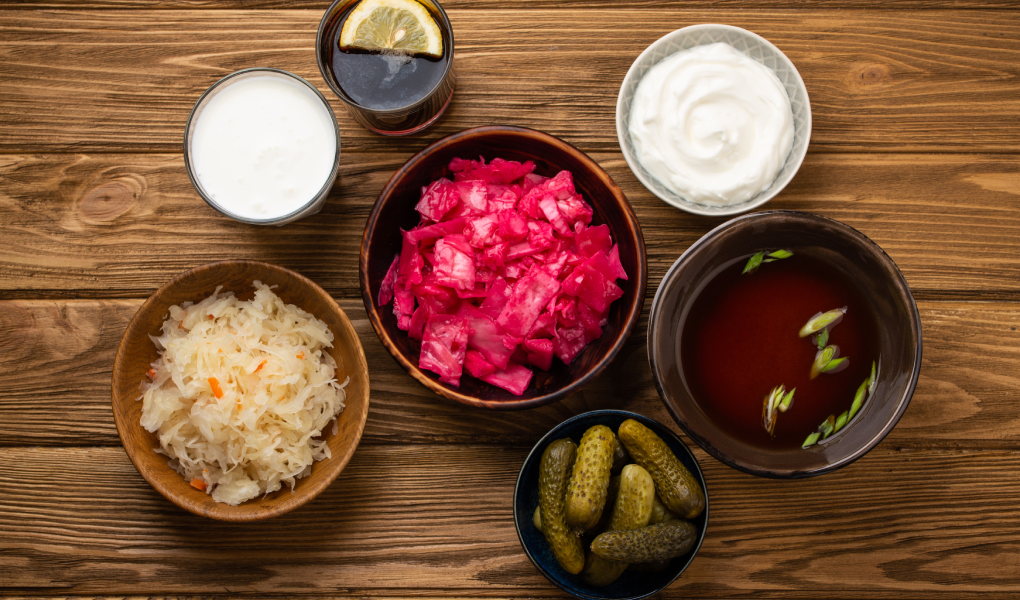
- Example: Yogurt, sauerkraut, kimchi, pickles.
- Acetic Acid Fermentation: Alcohol is converted to acetic acid, forming vinegar.
Fermentation enhances:
- Flavor: Tangy, sour, or umami notes.
- Shelf Life: Natural preservation without excessive chemicals.
- Nutritional Value: Improved digestibility, probiotics, and bioavailability of nutrients.
Halal Concerns with Fermented Foods
While fermentation offers many benefits, alcohol can be a byproduct of some processes, which raises halal concerns:
1. Alcohol Production
- Alcoholic fermentation produces ethanol.
- Beverages like wine, beer, and some kombuchas contain significant alcohol content.
- Even small amounts of residual alcohol are considered haram in Islam.
2. Intoxicating Effect
- The Islamic principle focuses on avoiding intoxicants.
- Foods that produce intoxication or contain alcohol above trace, non-intoxicating amounts are prohibited.
3. Hidden Alcohol
- Some fermented foods, sauces, or condiments may contain added flavor extracts or preservatives derived from alcohol.
- Labels may not always clearly indicate alcohol content.
Common Fermented Foods and Their Halal Status
| Fermented Food | Fermentation Type | Halal Concern | Halal Status |
|---|---|---|---|
| Yogurt | Lactic acid | Generally safe | Halal |
| Kefir | Lactic + minor alcohol | May contain traces of ethanol | Choose halal-certified |
| Kombucha | Alcoholic | Can contain 0.5–3% alcohol | Non-certified may be haram |
| Sauerkraut | Lactic acid | Minimal alcohol | Halal |
| Pickles | Lactic acid | Minimal alcohol | Halal |
| Sourdough Bread | Minor alcohol from yeast | Negligible | Halal |
| Vinegar | Acetic acid from alcohol | Alcohol converted | Halal if fully fermented |
| Wine/Beer | Alcoholic | Intoxicating | Haram |
Key Insight: Lactic acid and acetic acid fermentations generally produce non-intoxicating products, which are permissible, while alcoholic fermentation requires caution.
Islamic Rulings on Fermented Foods
Scholars categorize fermented foods based on intoxicating potential and alcohol content:
- Non-Intoxicating Fermented Foods (Permissible)
- Examples: Yogurt, sauerkraut, pickles, vinegar.
- Ruling: Halal, as no intoxicating effect remains.
- Intoxicating Fermented Products (Prohibited)
- Examples: Wine, beer, unpasteurized kombucha with >0.5% alcohol.
- Ruling: Haram, as alcohol is present in amounts capable of intoxication.
- Trace Alcohol in Non-Intoxicating Products
- Some fermented foods may contain minute alcohol traces (<0.1%).
- Majority of scholars: Permissible, as long as it does not intoxicate.
Principle: The focus is on substance and effect, not merely the origin. Alcohol that does not intoxicate in negligible amounts is generally acceptable.
Halal Tips for Consuming Fermented Foods
1. Read Labels Carefully
- Look for alcohol content, ethanol, or “fermented” ingredients.
- Avoid products with added alcohol-based flavorings.
2. Choose Halal-Certified Fermented Foods
- Certification ensures products are free from haram additives and intoxicants.
3. Homemade Fermentation
- Make yogurt, pickles, or sauerkraut at home using fresh, halal ingredients.
- Avoid adding alcohol-based flavorings during preparation.
4. Avoid Alcoholic Beverages
- Wine, beer, sake, or spirits—even in small amounts—are haram.
- Substitute with fruit juices, vinegar, or halal extracts in recipes.
5. Consider Health and Tayyib Principles
- Fermentation enhances digestion, gut health, and nutrient absorption.
- Opt for minimally processed, wholesome fermented foods that align with tayyib living.
Benefits of Fermented Foods in a Halal Diet
- Probiotics and Gut Health: Improve digestion and immunity.
- Enhanced Nutrient Absorption: Fermentation breaks down compounds, making vitamins and minerals more bioavailable.
- Natural Preservation: Reduces the need for chemical additives.
- Flavor and Variety: Adds tang, umami, and depth to meals.
- Supports Sunnah and Tayyib Principles: Choosing wholesome, natural foods aligns with Islamic guidance on clean and ethical eating.
Practical Examples of Halal Fermented Foods
- Yogurt and Labneh: High in protein, probiotics, and calcium.
- Pickled Vegetables: Cucumbers, carrots, cabbage with lactic acid fermentation.
- Sourdough Bread: Naturally leavened without added alcohol.
- Apple Cider Vinegar: Halal if fully fermented.
- Non-Alcoholic Kefir or Probiotic Drinks: Ensure certified halal if minimal alcohol is present.
Tip: Always verify labels, especially for imported or commercial products.
Conclusion
Fermented foods are a valuable part of a healthy, halal diet, offering both flavor and nutrition. The key points to remember are:
- Check the fermentation type—lactic and acetic fermentations are generally halal, while alcoholic fermentation can produce haram products.
- Avoid intoxicating substances—even trace amounts in beverages like wine or beer are prohibited.
- Choose halal-certified or homemade fermented foods to ensure compliance.
- Incorporate tayyib principles by preferring wholesome, minimally processed foods rich in nutrients.
At Halal Edible, we emphasize that knowledge and vigilance are essential. By understanding fermentation processes and Islamic rulings, Muslims can enjoy fermented foods safely, ensuring meals are healthy, flavorful, halal, and spiritually compliant.
Fermented foods, when chosen carefully, align perfectly with the principles of halal and tayyib eating, providing both nutritional benefits and peace of mind in every bite.