

In recent years, the food industry has seen a major shift toward clean label products. Consumers are becoming more aware of what goes into their food, and many prefer products made with simple, natural, and recognizable ingredients. This growing demand has led to the rise of clean label preservatives—ingredients that help keep food fresh while maintaining transparency and natural quality.
For halal-conscious consumers, clean label preservatives can also provide greater peace of mind because they often rely on plant-based or natural ingredients instead of complex chemical additives. Understanding these preservatives can help you make smarter choices when selecting packaged foods, snacks, and beverages.
At Halal Edible, we believe that knowing what’s inside your food is essential. In this guide, we explain what clean label preservatives are, how they work, and why they are becoming increasingly popular in the modern food industry.
What Are Clean Label Preservatives?
Clean label preservatives are natural or minimally processed ingredients used to extend the shelf life of food products while maintaining simple, transparent labeling.
Unlike traditional preservatives that may have complicated chemical names, clean label preservatives usually come from natural sources such as plants, fruits, herbs, or fermentation processes.
The idea behind clean labeling is simple: consumers should be able to recognize and understand every ingredient listed on the package.
Clean label preservatives help achieve this by replacing synthetic additives with ingredients that are familiar and naturally derived.
Why Clean Label Ingredients Are Gaining Popularity
The demand for clean label foods has grown significantly over the past decade. Several factors contribute to this trend.
Health Awareness
Consumers are paying more attention to the ingredients in their food. Many prefer products that avoid artificial preservatives and rely on natural alternatives.
Transparency
People want to know exactly what they are eating. Clean label products promote transparency by using simple and recognizable ingredients.
Natural Lifestyle Trends
As natural and organic foods become more popular, clean label preservatives align with these preferences.
Halal-Friendly Choices
Many clean label preservatives are derived from plant sources, making them more suitable for halal diets.
Common Clean Label Preservatives Used in Food
Several natural ingredients are widely used as clean label preservatives. These ingredients help slow microbial growth, prevent oxidation, and maintain food quality.
Vinegar
Vinegar has been used for centuries as a natural preservative. It contains acetic acid, which prevents the growth of harmful bacteria.
Foods that commonly use vinegar include:
- Pickles
- Sauces
- Salad dressings
- Marinades
Vinegar is also widely accepted as a natural and halal-friendly preservative.
Salt
Salt is one of the oldest food preservation methods in human history. It works by reducing moisture, which prevents bacteria and mold from growing.
Salt is commonly used in:
- Meat curing
- Cheese production
- Pickled foods
- Snacks
Because it is a simple and recognizable ingredient, salt fits perfectly within clean label standards.
Citrus Extracts
Extracts from citrus fruits such as lemons and oranges contain natural compounds that help prevent microbial growth.
These extracts are often used in:
- Beverages
- Baked goods
- Dairy products
- Sauces
Citrus extracts also add a subtle flavor while helping preserve freshness.
Rosemary Extract
Rosemary extract is a natural antioxidant commonly used in food products to prevent fats and oils from becoming rancid.
It is widely used in:
- Meat products
- Snack foods
- Cooking oils
- Ready meals
Rosemary extract is particularly popular in clean label products because it is plant-based and easy for consumers to recognize.
Fermented Ingredients
Fermentation can produce natural compounds that act as preservatives. For example, fermented sugar or starch can create natural antimicrobial substances.
These are often used in:
- Bread
- Dairy products
- Sauces
- Ready-to-eat meals
Fermented ingredients are gaining popularity because they offer natural preservation without artificial additives.
Clean Label Preservatives in Halal Foods
For halal consumers, clean label preservatives offer additional benefits.
Plant-Based Ingredients
Most clean label preservatives come from plants or natural sources, reducing concerns about animal-derived ingredients.
Reduced Risk of Non-Halal Additives
Artificial preservatives sometimes involve complex manufacturing processes that may raise halal concerns. Clean label ingredients often have simpler sources.
Transparency in Ingredients
Clean label products typically provide clearer ingredient lists, making it easier to identify halal-friendly foods.
However, halal consumers should still check for halal certification to ensure the entire product meets Islamic dietary standards.
Benefits of Clean Label Preservatives
Clean label preservatives provide several advantages for both consumers and food manufacturers.
Improved Consumer Trust
When ingredients are easy to understand, consumers feel more confident about the products they buy.
Natural Food Preservation
Clean label preservatives rely on natural compounds to maintain freshness and safety.
Better Brand Image
Food companies that adopt clean label practices often attract health-conscious customers.
Reduced Artificial Additives
Replacing synthetic preservatives with natural alternatives can lead to simpler ingredient lists.
Challenges of Using Clean Label Preservatives
Although clean label preservatives offer many benefits, they also come with some challenges.
Shorter Shelf Life
Natural preservatives may not always be as strong as synthetic ones, which can lead to shorter shelf life in some products.
Higher Costs
Natural ingredients and advanced processing methods can increase production costs.
Flavor Changes
Some natural preservatives, such as vinegar or rosemary extract, may slightly affect the flavor of certain foods.
Food manufacturers must carefully balance taste, safety, and shelf life when using clean label preservatives.
Clean Label Trends in the Food Industry
The clean label movement continues to grow as more consumers demand healthier and more transparent food options.
Some key trends include:
- Increased use of plant-based preservatives
- Natural antimicrobial extracts
- Fermentation-based preservation
- Improved packaging technologies
Food companies are investing heavily in research to develop natural preservation techniques that maintain quality while meeting consumer expectations.
How to Identify Clean Label Products
If you want to choose foods with clean label preservatives, there are a few simple steps you can follow.
Check the Ingredient List
Look for ingredients that are familiar and easy to recognize.
Avoid Long Chemical Names
Products with complex additive names may rely on artificial preservatives.
Look for Natural Sources
Ingredients such as vinegar, citrus extract, and rosemary extract often indicate clean label preservation.
Choose Certified Products
Halal-certified or organic products may follow stricter ingredient standards.
Clean Label Preservatives in Snacks and Candy
Clean label preservatives are increasingly used in snack foods and candies.
Examples include:
- Fruit snacks preserved with citrus extracts
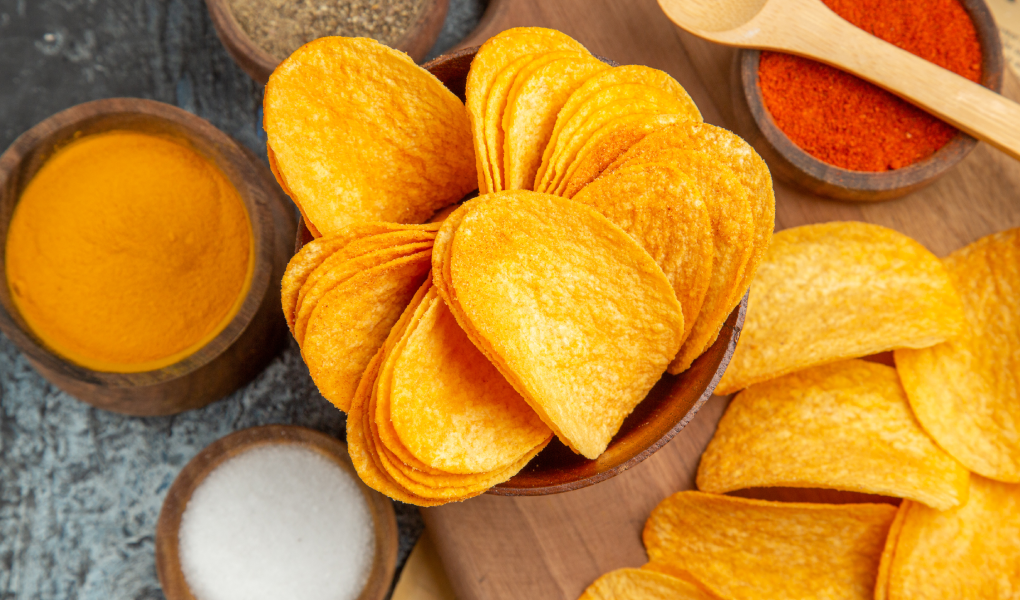
- Chips protected with rosemary extract
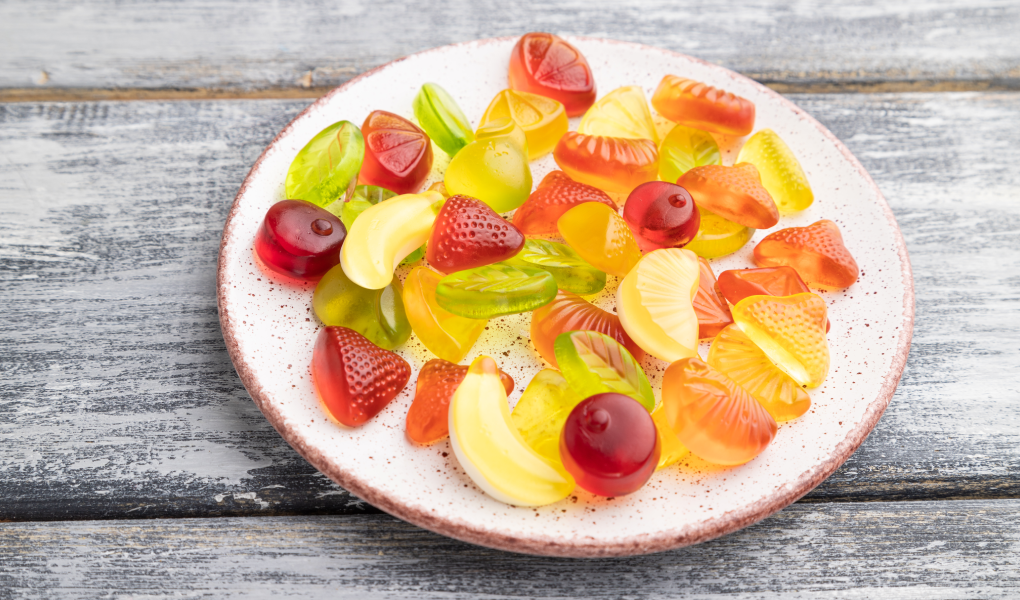
- Natural gummies preserved with fruit acids
These products appeal to consumers who want sweet treats with simpler ingredient lists.
The Future of Clean Label Food Preservation
The future of food preservation is likely to focus heavily on natural and sustainable solutions. Researchers are exploring new ingredients and technologies that can extend shelf life without relying on synthetic chemicals.
Some emerging innovations include:
- Plant-derived antimicrobial compounds
- Natural fermentation cultures
- Edible coatings that protect food
- Smart packaging that slows spoilage
As these technologies continue to develop, clean label preservatives will likely become even more common in packaged foods.
Final Thoughts
Clean label preservatives represent an important shift toward simpler, more natural food ingredients. By using familiar components like vinegar, salt, citrus extracts, and rosemary, food manufacturers can maintain product freshness while meeting consumer demand for transparency.
For halal-conscious consumers, clean label preservatives often provide a safer and more trustworthy option because many are plant-based and easy to verify.
At Halal Edible, we encourage readers to pay attention to ingredient lists, choose natural food options whenever possible, and support brands that prioritize clean, transparent, and halal-friendly ingredients.
By making informed choices, you can enjoy packaged foods that are not only convenient but also healthy, natural, and aligned with halal dietary values.